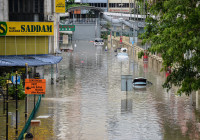

KUALA LUMPUR – Waste management and environmental stakeholders have proposed stiffer fines for illegal dumping and littering to reduce the intensity of flash floods in the country.
These were among the ideas mooted to spur a massive behavioural change among Malaysians, who have been struggling with a spate of unpredictable floods recently, especially in the Klang Valley.
The stakeholders also want the government to consider imposing payments for excessive waste disposal.
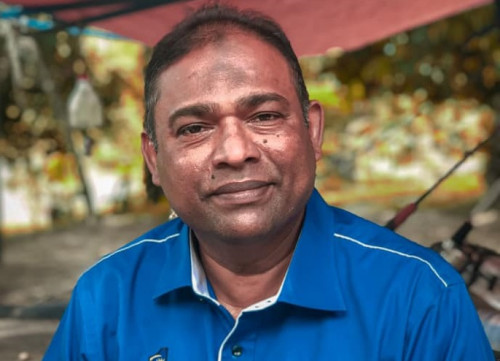
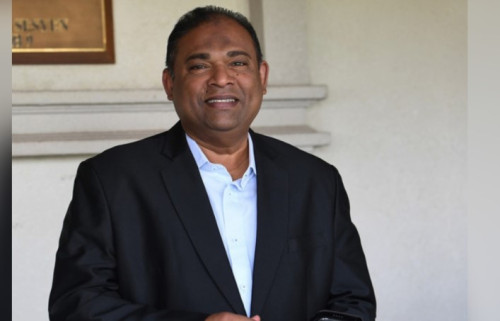
While “extraordinary rainfall” was blamed for the latest inundation this week, KDEB Waste Management Sdn Bhd (KDEB) managing director Ramli Tahir acknowledged that garbage had clogged drainage systems, exacerbating floods in parts of Kuala Lumpur and Selangor.
Ramli said the authorities could consider introducing heftier penalties against all culprits who take the matter lightly.
For example, there are those who do renovations in their homes but do not dispose of the waste properly, and this gradually leads to industrial waste piling up in the drains,” he told The Vibes when contacted.
“There are also industries and companies that produce residual waste, but the disposal contractors wanted to make bigger profits by dumping the waste in improper places like rivers.”
Ramli revealed that KDEB was awarded waste management contracts with 12 local councils worth RM500mil annually, but the public cleansing and disposal sector in the state was valued around RM650mil.
He also insisted that both federal and state governments should spend more on flood mitigation projects, such as widening waterways and adding more underground rainwater drainage systems, among others.
Ramli said authorities, whether local governments, police, and other enforcement agencies, should consider more severe punishments, as they would serve as a warning to the public.
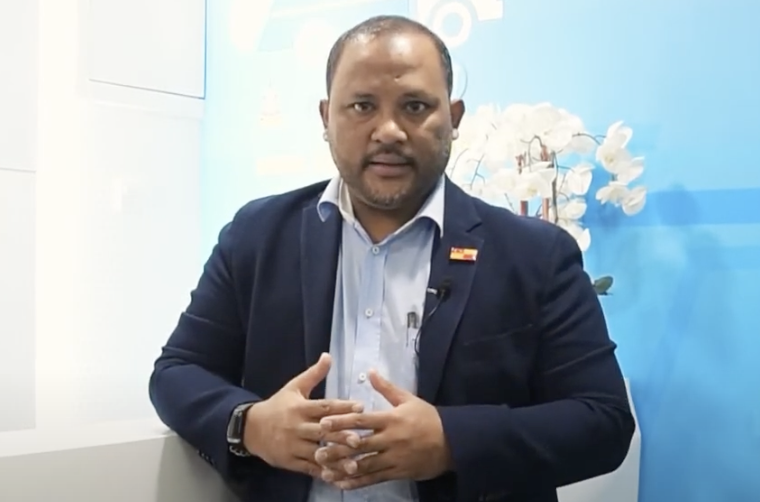
Entire community should be responsible for waste management
Despite netizens pinning the blame on authorities such as Kuala Lumpur City Hall (DBKL) and waste management companies such as Alam Flora Sdn Bhd and KDEB, Ramli said it is unfair to blame them, as they serve millions of people who produce the waste.
“The numbers are far more prominent than the players and workers of the (waste management) industry,” he said.
In Switzerland, people will have to pay to dispose of their bulky waste such as old furniture, because their government wants to discourage unnecessary wastage.
“This is not the case here in Malaysia, and yet people expect the government or KDEB to clean it all up without any cost.”
Ramli said the entire community – not just the government and waste management companies – is also responsible for keeping the environment clean, adding that recycling is one way to do this.
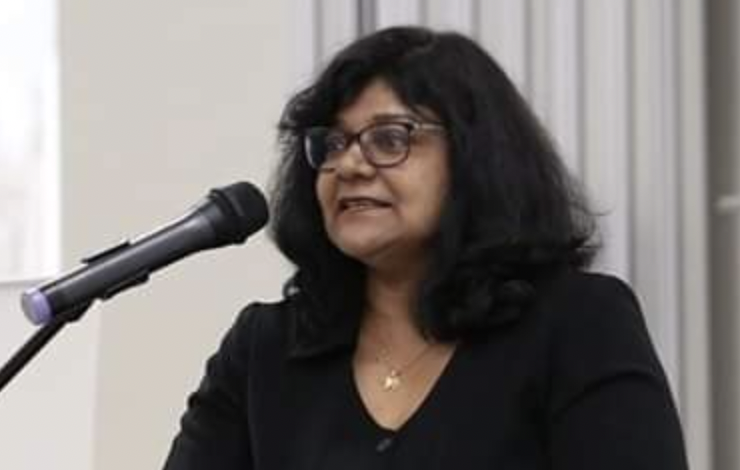
Behavioural change needed to combat indiscriminate waste dumping
Environmental consultant Geetha P. Kumaran said the issue of illegal dumping and indiscriminate littering must be addressed with a total behavioural change.
“It has to happen at the individual level, and also collectively with the local government and the waste disposal mechanism,” she said.
“It’s a loop that never seems to close.”
Geetha, who is an environmental impact assessment consultant and environmental auditor, said although she agrees with the idea of proposing stricter fines, the penalties would be difficult to enforce.
It could be done in Singapore, because it is a small island where they can have better enforcement on an individual basis,” she said.
“But for us, we can tackle the dumping in private lots and among unlicensed disposal lorries.”
She said it is better for authorities to focus on bigger offenders as opposed to individuals, as the latter is a near-impossible task.
Geetha, who is a Petaling Jaya resident involved in the waste management oversight in her housing area, said the current waste management system in Selangor is a “good” one.
I think (the likes of) DBKL can look into areas that have not been serviced (by proper waste management) such as squatters situated by the riverbanks and very narrow alleys that can’t be accessed (by disposal workers).”
She said DBKL can also look into an approach being proposed in Kedah and Perlis, whereby waste management companies are looking to use motorbikes to collect garbage in areas that cannot be accessed by garbage trucks.
Similar to Ramli, Geetha said the behavioural changes were needed as Malaysians generate “too much waste”.
“We (Malaysians) as individuals must look into how we reduce our waste, because if we produce 1.5 or 1.8kgs of waste a day, how would this compare to the waste generated by other people around Asia?”
“In Denmark, the amount of waste produced by every household is controlled. So, how much non-recyclable waste is allowed to be produced is contained at a household level.” – The Vibes, March 10, 2022