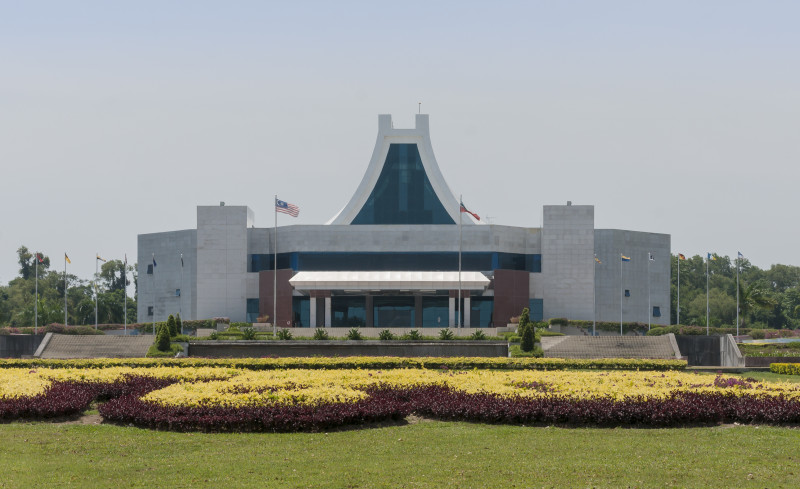
KOTA KINABALU – The new sitting of the Sabah assembly, which commences today, takes place at an immensely compelling and critical juncture of the state’s history with a confluence of several issues, including its security and integrity, pressing on its government and people.
The demands for respect towards Sabahans’ identity, control over migrants and citizenship status, and justice in receiving the state’s due revenue are among the myriad of matters that are being asserted today as never before.
The proposed Sabah identity card, Nature Conservation Agreement (NCA), and the status of Labuan are among the top topics to be discussed during the proceedings till March 24.
The sitting takes place in the wake of the opening address by Sabah Governor Tun Juhar Mahiruddin, which was delivered last week.
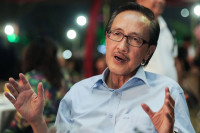
Former Sabah chief minister Datuk Seri Yong Teck Lee, who is an appointed assemblyman, has prepared a motion on the formulation of a state law to introduce Sabah identity cards.
“It is no longer a request to the federal government. We have gone beyond that, and I have talked about it for over ten years,” he said.
The renewed call comes in view of the debate triggered by a suggestion from the ruling Gabungan Rakyat Sabah to the federal government to issue a special card for long-residing migrants in the state.
Yong said a Sabah registration department will be formed to oversee the issuance of Sabah ICs if his motion succeeds after tabling in the assembly.
Motion to reject claim by Philippines, Sulu sultanate
Kadamaian assemblyman Datuk Ewon Benedick, who is also Upko vice-president, has submitted two motions to be debated in the upcoming assembly sitting.
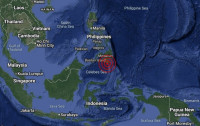
The first one is to get unanimous support from the assembly to reject claims from the Philippines and heirs of the Sulu sultanate over Sabah and refuse to entertain a French arbitration court order for payment to be made to the heirs.
He noted that Sabahans were taken by surprise by a recent decision in an arbitration court in Paris ordering Malaysia to pay RM62.59 billion to the Sulus.

In the second motion, Benedick proposed for the state to nullify the controversial Nature Conservation Agreement signed by the Sabah government and Hoch Standard Pte Ltd, a Singapore-based firm.
The NCA would see up to two million hectares of forests in Sabah being set aside for carbon trading over the next 100 years, with a 70:30 revenue raised from the monetisation of the nature capital shared between Sabah and the company.
“A move should be made in the assembly to protect the rights of the indigenous people,” Benedick said.
Grappling for what is entitled under constitution
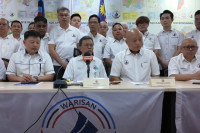
Over the four-day assembly sitting, Warisan assemblymen are also expected to question state government leaders about the constitutionality of a 40% revenue-sharing formula with the federal government. The formula is no longer in use in the ongoing review of the special grant from Putrajaya.
Under Article 112 (C) of the federal constitution and the Tenth Schedule of the legislation, Sabah is entitled to 40% of the revenue the federal government has collected from the state
However, Finance Minister Tengku Datuk Seri Zafrul Abdul Aziz revealed in Parliament yesterday that the provisions of Article 112 (C) and Article 112 (D) are no longer applicable in deciding the quantum of the special grant for Sabah due to an ongoing revision.
The reason the formula is no longer applicable is related to differences in the legal stands of the federal and Sabah attorney-generals on the formula from 1969 until 1973.
The minister’s statement conflicts with a statement issued by Minister in the Prime Minister’s Department (Sabah and Sarawak Affairs) Datuk Seri Maximus Ongkili who said Sabah’s annual grant of RM26.7 million would be increased by five-fold.
The revision involving federal and state officials is being carried out under the Malaysia Agreement 1963 Joint Consultative Council.
This has raised doubts among Warisan leaders like Datuk Azis Jamman (Sepanggar MP) and Isnaraissah Munirah Majilis (Kota Belud MP) who have sought clarification as to how the 40% formula could no longer be applicable and how the federal-state revision could have arrived at a new revenue-sharing formula.
They have sought clarification from both the federal and Sabah governments over the discrepancies. – The Vibes, March 21, 2022