KOTA KINABALU – With much talk surrounding the looming 15th general election (GE15), parties in Sabah are forming their own alliances and rivalries, leaving national players out of their political playbook.
For example, observers said the recent inclusion of the United Sabah National Organisation (Usno) in the ruling Gabungan Rakyat Sabah (GRS) alliance on May 9 was an “exit strategy” for Bersatu leaders, including its state chairman, Datuk Seri Hajiji Noor.
The observers also said Bersatu in Sabah may part ways with GRS if the spat between Umno and the party’s leadership in the peninsula worsens, as both parties have already made it clear that they will not cooperate in GE15.
Universiti Malaysia Sabah political analyst Lee Kuok Tiung predicted the formation of another local alliance in the state, similar to Sarawak’s ruling coalition Gabungan Parti Sarawak (GPS).
The current attitudes of the local parties are to go local, copying GPS,” he said.
He said GPS is largely seen as having already attained autonomy in running Sarawak’s affairs, where many of its key decisions are made without interference from the federal government.
“Usno can serve as an alternative to Sabah Bersatu or even Umno, if the political pressures from the conflict between Umno and Bersatu in the peninsula become extreme,” Lee said, adding that the influence of Sarawak on the Sabah political scene has become more apparent lately.
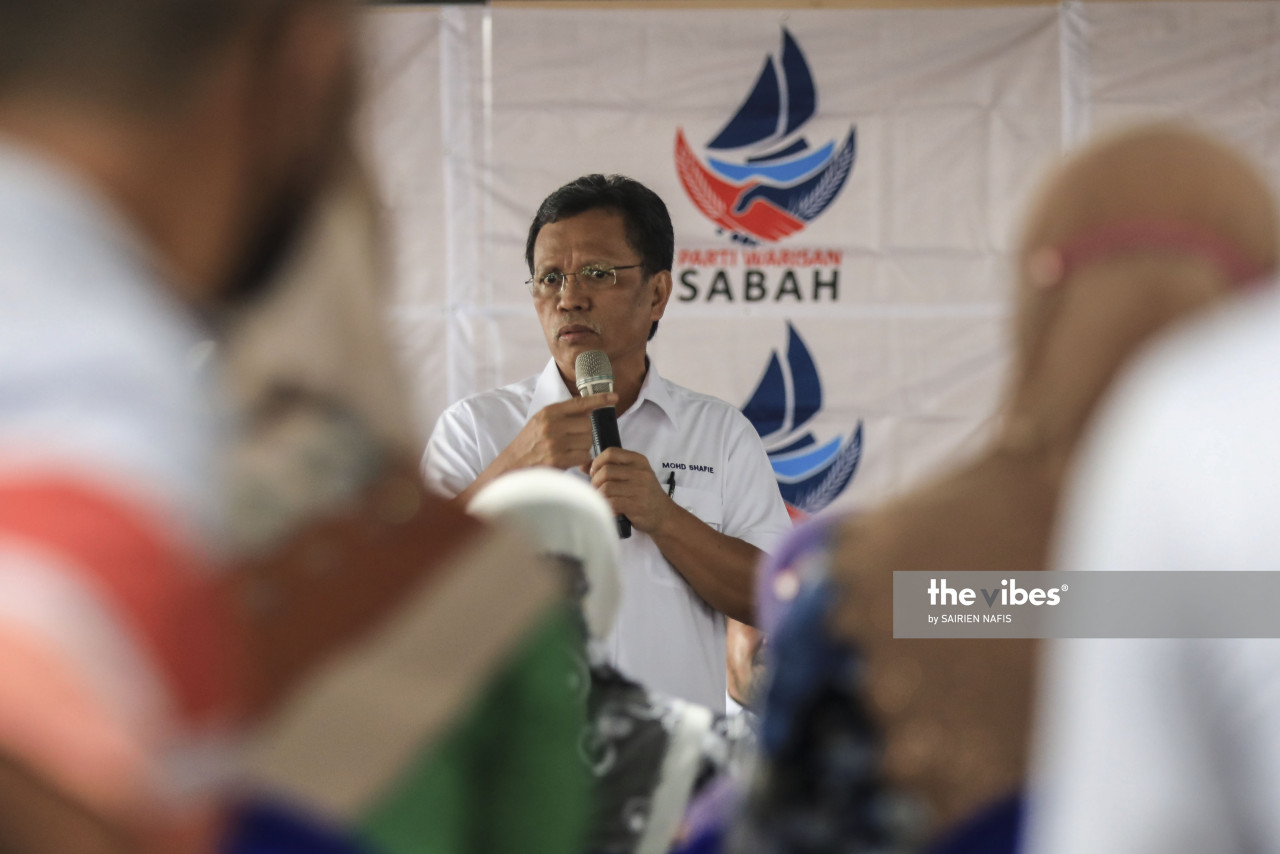
Lee said he believes Sarawak Premier Tan Sri Abang Johari Openg, affectionately known as Abang Jo, is no stranger to both Hajiji and the Bersatu man’s predecessor as Sabah chief minister, Warisan president Datuk Seri Mohd Shafie Apdal, and is considering the possibility of a united Borneo coalition.
The analyst said Abang Johari has influence over Hajiji on the matter, as the two state leaders had met in late January this year, with the latter expressing interest in further strengthening Sabah-Sarawak ties.
Warisan recently revealed its smart-partnership plan after reviving its plan to cooperate with GRS-aligned Parti Bersatu Sabah (PBS).
At the same time, Shafie has made numerous hints that his party will not work alongside peninsula-based parties, especially from Pakatan Harapan (PH), if his terms are not met.
However, observers have said Warisan’s bid to cooperate with PBS was due to the lack of support from the Kadazan-Dusun, Murut and Rungus (KDMR) communities.
This dwindling support from the communities became more apparent after the departure of the party’s vice-president Datuk Peter Anthony, who also helms the influential KDM Malaysia non-governmental organisation.
Anthony had also formed his own party, Parti Kesejahteraan Demokratik Masyarakat, but has found himself in hot water after being found guilty of money laundering charges.
Another political observer, former Kota Kinabalu MP Hiew King Cheu, believes sentiments on the ground show that voters are fed up with the “sweet talk” of national parties, which have essentially “ganged-up” in Sabah and taken the state’s resources.
“Nothing good has come by it (national parties in the ruling Sabah alliance). If their party won, none of them would guarantee that they will protect the rights of the people in line with their manifesto pledges and promises,” Hiew said.
“Instead, they only have self-interests in winning the elections. If we believe that these parties can manage Sabah with their brand of politics, the people of Sabah will have no future.
Sabah can only bring about change if those not controlled by the peninsula-based parties are elected to office,” he said.
Hiew is believed to be referring to the Malaysia Agreement 1963, which has yet to be implemented in Sabah, as well as promises of 40% revenue rights in line with the state’s constitution.
Meanwhile, Universiti Teknologi Mara political analyst Tony Paridi Bagang reaffirmed that Shafie’s intention to work with PBS was aimed at garnering support from the KDMR communities.
“However, there’s a risk that PBS may suffer the same fate as Upko when it became part of the Warisan-PH alliance,” he said.
“At first, Upko was seen as a party that would be able to capture the KDMR votes when they were still a Warisan ally, but sadly, the party performed badly in the Sabah election in 2020.”
He added that Upko’s dismal performance, winning only one seat in the Sabah polls, was likely due to ethno-nationalist sentiments among the KDMR community.
The academician also theorised that Warisan would have an edge in winning the KDMR seats by cooperating with PBS, but it would be “political suicide” if PBS joined forces with Warisan. – The Vibes, June 9, 2022