
KUALA LUMPUR – Prices of medicines in Malaysia may no longer be “at the mercy of big pharma” once the cabinet approves a price transparency mechanism that the Health Ministry is working on.
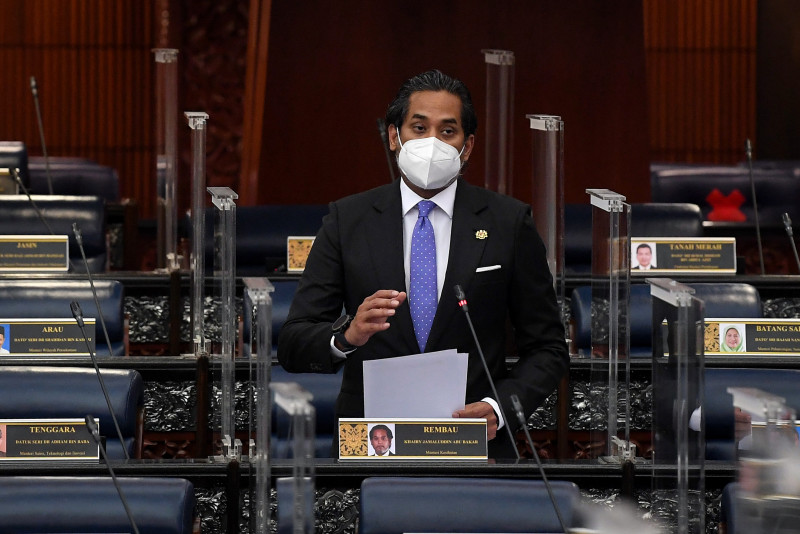
The mechanism will be presented to cabinet for approval, its minister Khairy Jamaluddin (Rembau-BN) told the Dewan Rakyat today.
“We are looking to establish a policy where pharmaceutical companies will have to explain their prices by presenting their pricing mechanisms to the government,” he said, adding that the current lack of transparency has caused price rates to be “at the mercy of big pharma”.
“Without price transparency, we don’t actually know the production costs of medications. “With such a policy, we will be able to identify a fair and reasonable price for certain drugs.”
He said the ministry is also fine-tuning processes related to patents and intellectual property to avoid evergreening, which he described as pharmaceutical companies “minimally modifying” a drug before repeatedly applying for the patent to be extended, causing price fluctuations.
Khairy added that while price control measures are a precautionary step undertaken by the ministry, the current priority lies in addressing the medicine supply shortage in the nation.
As such, he said that the ministry will be looking at alternative sources to obtain active pharmaceutical ingredients since China, being the main producer of the substance, has implemented a total lockdown approach.
Amid the supply shortages of paracetamol, the government has also released its stock of the drug to the market, with the ministry receiving orders from 222 private clinics and hospitals.
“The ministry had sold the products without any markups and at an affordable price so that patients are able to purchase the medication,” he said, adding that it is considering releasing other similar drugs to the market and is in the process of recording orders from healthcare facilities.
Last Tuesday, Khairy said in the Dewan Rakyat that the ministry will be releasing some of its stockpile for common illnesses to the private sector.
He added that private health facilities were struggling to cope with high public demand of late, supposedly due to the spread of seasonal influenza.
Last month, Khairy said that the medicine supply shortage, especially at certain pharmacies and private health facilities, is not due to panic-buying by members of the public.
Instead, he said that the situation can be attributed to high demand for certain medications following the spread of the Omicron variant of Covid-19 recently, as well as the current rising cases of hand, foot and mouth disease. – The Vibes, July 26, 2022