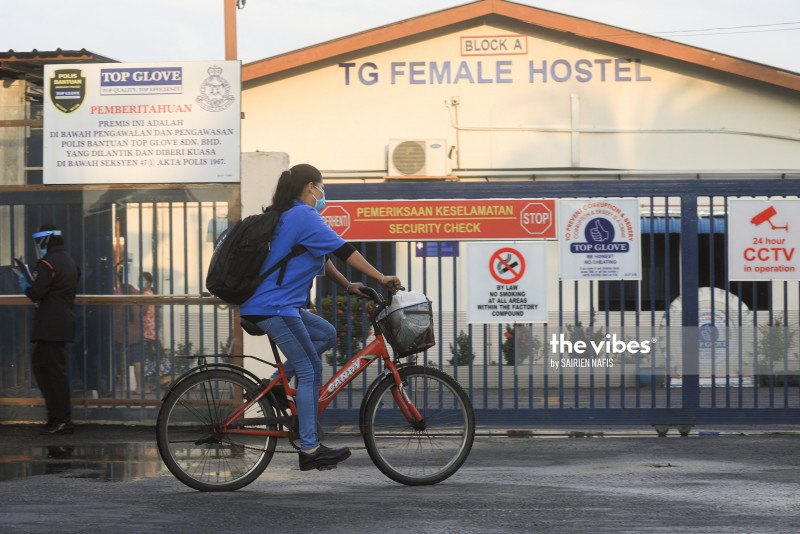

KUALA LUMPUR – In the wake of Covid-19 clusters plaguing foreign workers, industry observers point to the lack of inspections and enforcement at their accommodation as contributing factors.
Malaysian Trades Union Congress deputy president Mohd Afendy Ghani said the recent gazettement of housing regulations is a good move, but enforcement remains an issue.
In September, the Employees’ Minimum Standard of Housing, Accommodation and Amenities (Accommodation and Centralised Accommodation) Regulations 2020 came into force through the Workers’ Minimum Standards of Housing and Amenities Act 1996.
The regulations apply to all employers who provide accommodation for their staff.
“The regulation is good as it is supposed to cover all workers in our country. But our biggest concern is labour inspections, especially as manpower is lacking,” said Afendy.
“At the moment, enforcement agents are multitasking; that’s why we have fewer inspections on worker accommodation.”
Because most migrant workers are not aware of their basic rights or avenues to channel complaints, he said, errant employers continue to get away with non-compliance.
For example, one rule requires employers to provide each worker with a sleeping area of 3 sq m in dormitories. They are also required to provide beds, cupboards and mattresses – all items that cannot be shared.
The regulations also apply to the foreign workforce.
In August, Human Resources Minister Datuk Seri M. Saravanan told the Dewan Rakyat that the government will not overlook the welfare of these workers.
“Soon, the government will implement and enforce the Workers’ Minimum Standards of Housing and Amenities Act 1996, with all foreign workers in our country given protection with regard to housing and their well-being.”
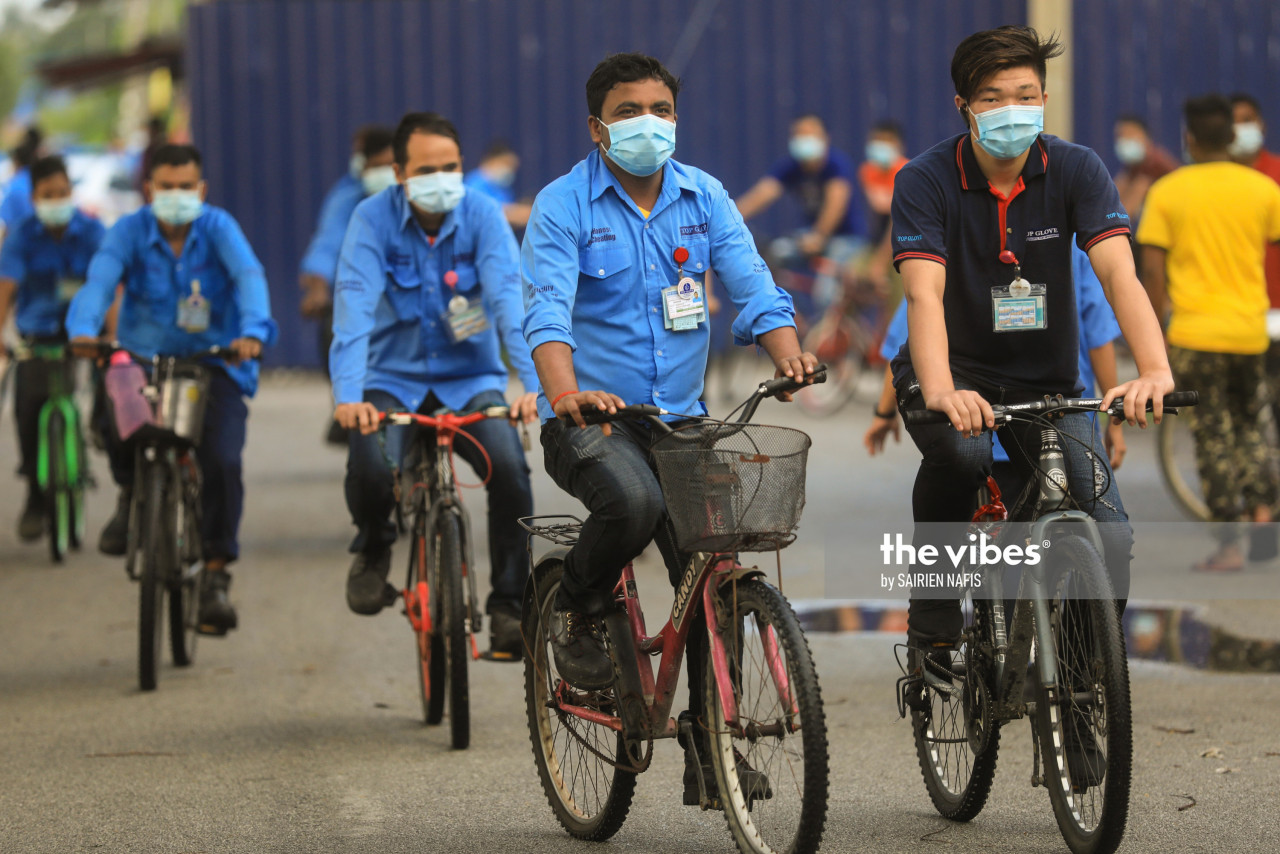
Adrian Pereira of the North-South Institute, which is involved in human rights, social justice and sustainable development, said housing issues among foreign workers are merely symptoms of a much bigger problem, which may require an overhaul of the country's labour policies.
He said corruption is also an issue that hinders enforcement.
“There are companies that the government has invested heavily in, and companies directly involved in fighting Covid-19. For example, glove makers here were asked by Europe to ramp up production, but did not order them to abide by workers’ rights (law).”
He added that ensuring dorms comply with the regulations also costs money, and the government should work hand in hand with employers on this.
Zerin Properties CEO Previn Singhe said one suggestion is for monies allocated in Budget 2021 to be funnelled for workers’ accommodation inspections.
While the new regulations are a good start, they could still be fine-tuned, he said.
“This regulation is a good start, but it definitely needs to cover more areas, like hygiene and security.”
He added that the legislation does not cover situations where workers’ hostels are in condominiums or landed properties, complicating enforcement efforts.
“Based on land laws, terrace houses and condominiums are made for residential purposes, and employee dormitories are deemed commercial.” – The Vibes, November 21, 2020