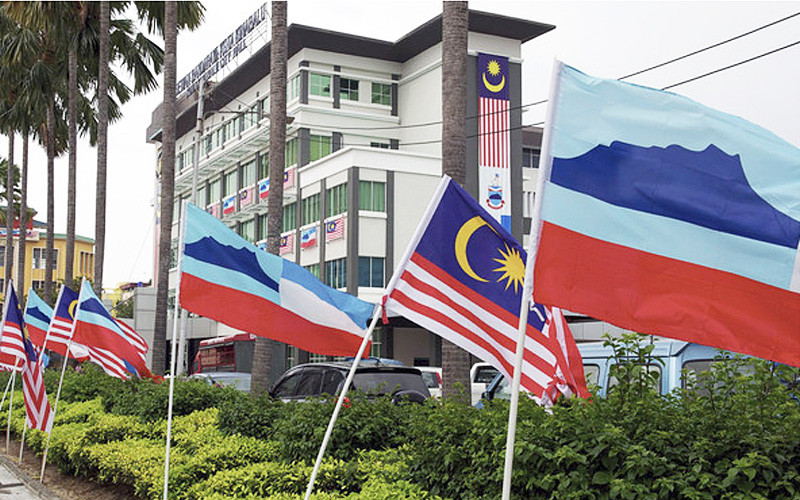

KOTA KINABALU – Many young Sabahans are yet to fully grasp the spirit of Malaysia-hood as they still feel deprived of the same opportunities enjoyed by their peers in the peninsula for the last 59 years.
Unlike in West Malaysia, Sabah lacks quality jobs and well-paying jobs – with most of the lucrative sectors like plantations and construction usually preferring foreign workers.
As far as hiring is concerned, locals are mostly hired in the services and hospitality sectors, which largely offer minimum pay.
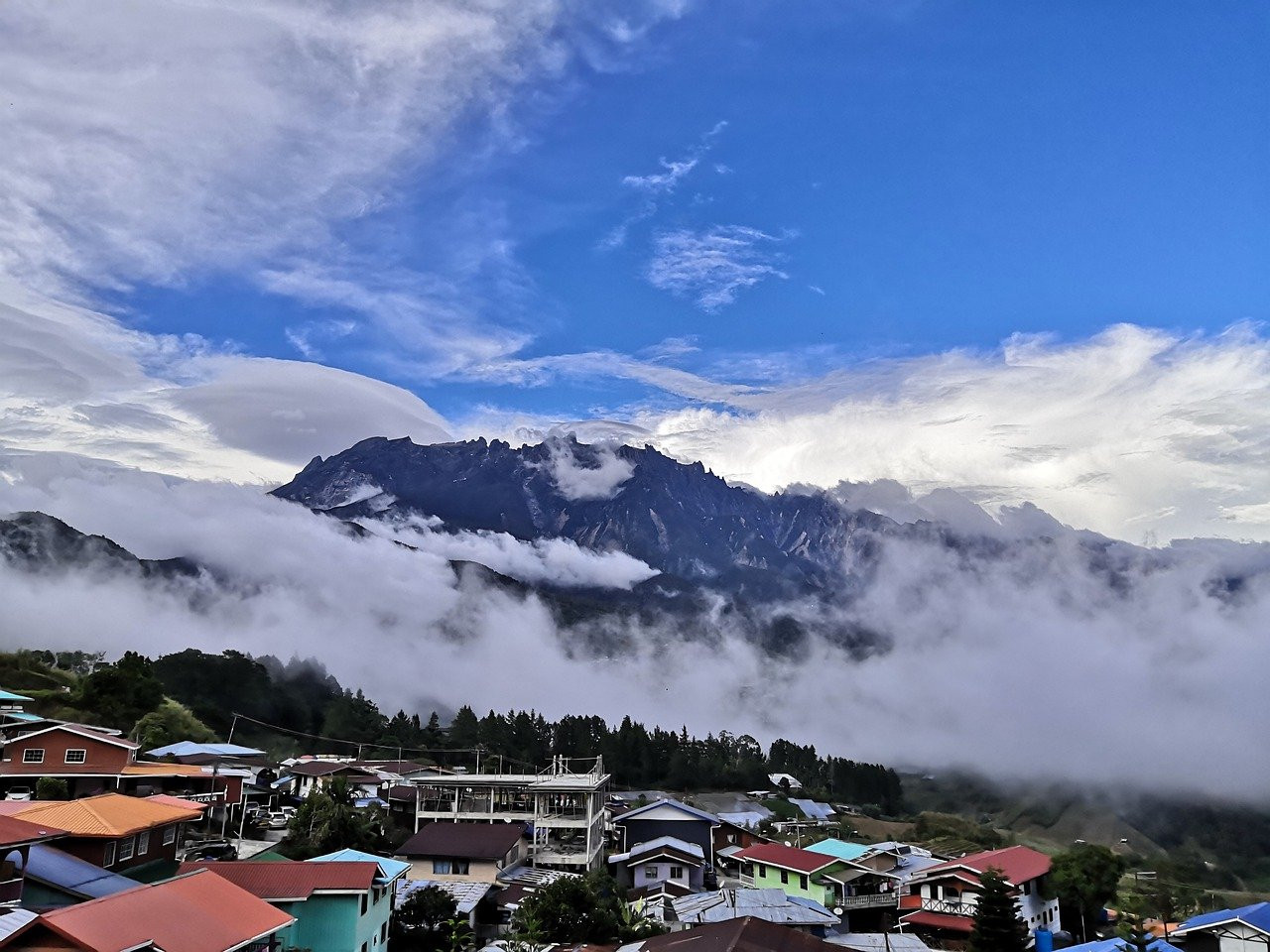
This has made people like 23-year-old Yvonne Sofea Chong, a restaurant worker from Sandakan, become doubtful of what the future holds for her.
“We often hear grandparents’ stories about how they had gone hungry for days because of the war and their difficulties when they were younger.
“These sorts of stories told us to be grateful for the progress the current generation is experiencing today.
“But none of the stories make sense today. I feel like nothing has changed,” she said.
“Although progress is seen in Sabah, prices of goods have gone up while the state lacks good quality jobs. Instead of getting richer or more stable, many are becoming poorer.”
Chong added that youths are working harder these days, but are still unlikely to survive without their parents’ financial intervention.

Hardware store worker, Asyikin Jaffri, 28, echoed the same sentiments. She pointed out this is the reason many Sabahans leave the state to seek greener pastures in West Malaysia.
“59 years of Malaysia, and Sabah is still lagging behind in terms of many things. The people in Sabah are not truly independent.
“It is difficult for the youths in Sabah to secure a good future in their own stomping grounds.
“When there are a lot of better opportunities in other states, and Sabahans are forced to move out to make a living, I doubt you could call Sabah truly independent.”
Aliza Alawi also lamented that higher education also does not guarantee a good job in Sabah these days.
The 29-year-old who works as a clerk in Sandakan partially blamed local politicians for this mess, saying they spent too much time on politicking rather than focusing on developing Sabah and ensuring quality jobs are generated.
“Year after year, Sabahans look on in envy at the development differences in Peninsular Malaysia.
“Here, families are still forced to choose among the children who get to further their education and who will not.
“Those who are not chosen are told to work to financially support this endeavour,” she said.

Debate on Merdeka v National Day rages on
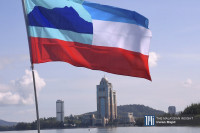
The official term “Merdeka Day” (Independence Day) which falls on August 31, was upgraded in 2016 to “National Day”, to take into account the expressions of the people of Sabah and Sarawak.
Unlike their peers in the peninsula, East Malaysians have scant historical connection to August 31, 1957 – the independence day of Tanah Melayu or Malaya.
Instead, Sabah attained self-governance exactly five years later on August 31, 1963, while Sarawak observed its independence day on July 22, 1963.
Reflecting, Sebastian Paul Jack, 40, now believes that he was subjected to indoctrination through the education system when he was still a young boy in school.
He said he also notices that this is still strong today when his 12-year-old daughter told him that the song Tanggal 31, 1957 by the late Sudirman Arshad was being played during assembly in view of the national month.
The song highlights “Negara Merdeka” (the country attained independence) as falling on August 31, 1957, which Paul Jack felt “would be historically and geographically incorrect to be played in Sabah.”
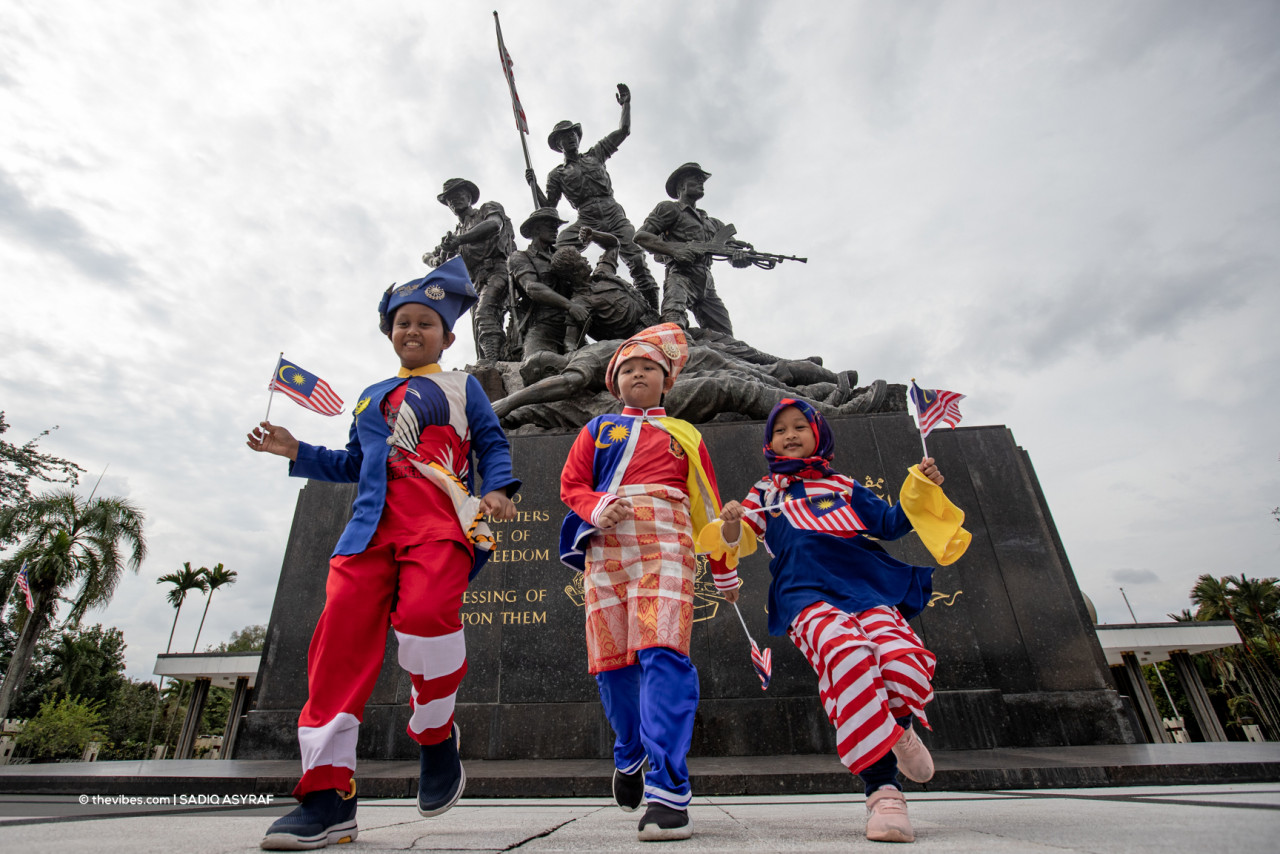
Priscilla Lim, 34, who works freelance in Kota Kinabalu, wishes that she had known all these historical facts when she was in school.
But she comforts herself by being conscious that she would have been punished by her teachers if she did not partake in any of the commemorative activities on August 31.
“Of course at that time it ignited a sense of patriotism, but I think we never quite understood what was really going on.
“Today, as I am older, I understand more than before that ‘merdeka’ has nothing to do with Sabah, or even Malaysia. Merdeka is for Tanah Malayu.
“It does not make any impact on me. I now do not see the significance or relevance of merdeka,” she said.
Lim stressed that the more pertinent occasion is September 16 or Malaysia Day.
“Now this is truly about integration. But sadly, the country still thinks that National Day plays a far more significant role than this,” she said.
Security and defence matters
For Maurice Julius, 44, security and defence, as far as the sovereignty of Malaysia goes, are also part of the meaning of the national month.
But he questioned how far these matters are being dealt with in Sabah, stressing that this issue poses a big question.
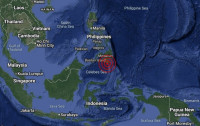
He noted that the Sulu claim over Sabah does not seem to have been resolved. Instead, he said that media reports have suggested that the government continued the practice of the British colonialists of paying the claimants until 2013.
Julius was referring to the treaty signed in 1878 by Sulu’s Sultan Jamal Al Alam together with Baron von Overbeck and Alfred Dent acting as representatives of Britain’s North Borneo Chartered Company, whereby an annual rent of 5,000 pesos would be made to Jamal annually.
The payments converted to RM5,300 after Sabah merged to form Malaysia in 1963, and payment adjustments have been made.

The payment was stopped in 2013 but this was not highlighted until a parliamentary reply on the matter in 2020.
“Talking about sovereignty, why should Malaysia continue paying? Haven’t Sabahans agreed to form Malaysia together? Has not Sabah been liberated after World War II?” Julius questioned.
He said the bloody incursion by Sulu intruders in Lahad Datu on the eastern coast of Sabah in 2013 should not have happened.
He lamented that the east coast of Sabah has been subjected to dusk-till-dawn curfews in the last nine years.
“Now we are hearing the heirs of the Sulu Sultanate won an arbitration award.
“Malaysia is told to pay billions of ringgit to the heirs or risk losing its assets abroad,” he said.
Malaysia was granted a stay on the award to the heirs last month.
Julius said he also learnt recently from media reports that close to 80% of the detection radars on the east coast were damaged.
“This shows that the security capabilities in the east coast are now in a weakened state,” he said.
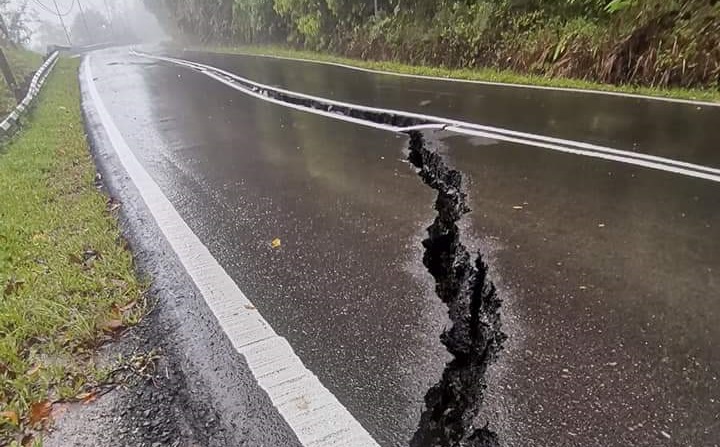
He also expressed concern about infrastructure issues which have been generating headlines recently – from bad road conditions to unfinished highways to damaged village bridges. – The Vibes, August 31, 2022
Additional reporting by Jason Santos