
KUALA LUMPUR – A bias towards Malay and Islamic history, contextual failures and insufficient weightage on non-Malay contributions are some of the faults found in Malaysian school history textbooks, a group of non-governmental organisations (NGOs) have found.
To address these problems, the National Education Improvement Initiative (IPPN), which advocates accurate representation of Malaysia’s multi-ethnic society in public education, has raised proposals in a report evaluating the Form 1 to 5 textbooks under the Standard-Based Curriculum for Secondary Schools (KSSM) used since 2017.
The report, Laporan Cadangan Penambahbaikan Buku Teks Sejarah Tingkatan 1-5 (Report on proposals to Form 1-5 History textbooks), was published this year and aims to provide a corrective balance, IPPN which comprises 16 NGOs, said in the report’s preface.
While it praised the KSSM history syllabus for using more neutral language and reducing racial prejudices, it noted that the textbooks still failed to provide a proper context to the contributions and participation of minority ethnic groups, such as the Orang Asli, Chinese and Indians, to the country’s development and identity.
With regards to world history, IPPN’s report said the syllabus did not take a holistic view, and instead had more emphasis on Islamic civilisation, leaving the history of other major religions scarcely explored.
The Vibes, which obtained a copy of IPPN’s report, presents a summary of each form history textbook in a five-part series, along with the group’s proposals for improvements to ensure more balanced ethnic minority representation and accurate historical context.

Form 1 textbook shortcomings
Some of the shortcomings in the Form 1 textbook include its explanation of what history is as merely a story told by a person and that the origin of the word is Greek – historia – which means “research”.
IPPN said the definition should be corrected to explain that “history” meant past events, as stated in the Oxford Advanced Learner's Dictionary.
IPPN’s report also pointed out an erroneous chronology that placed the Tang dynasty after the Song dynasty in imperial China.
As an incidence of unequal weightage, the report cited pages 52 to 58 of the textbook dealing with the Prehistoric Period, whereby extensive explanation was given to the Babylonian and ancient Egypt civilisations, but insufficient context was provided on Indian and Chinese civilisations.
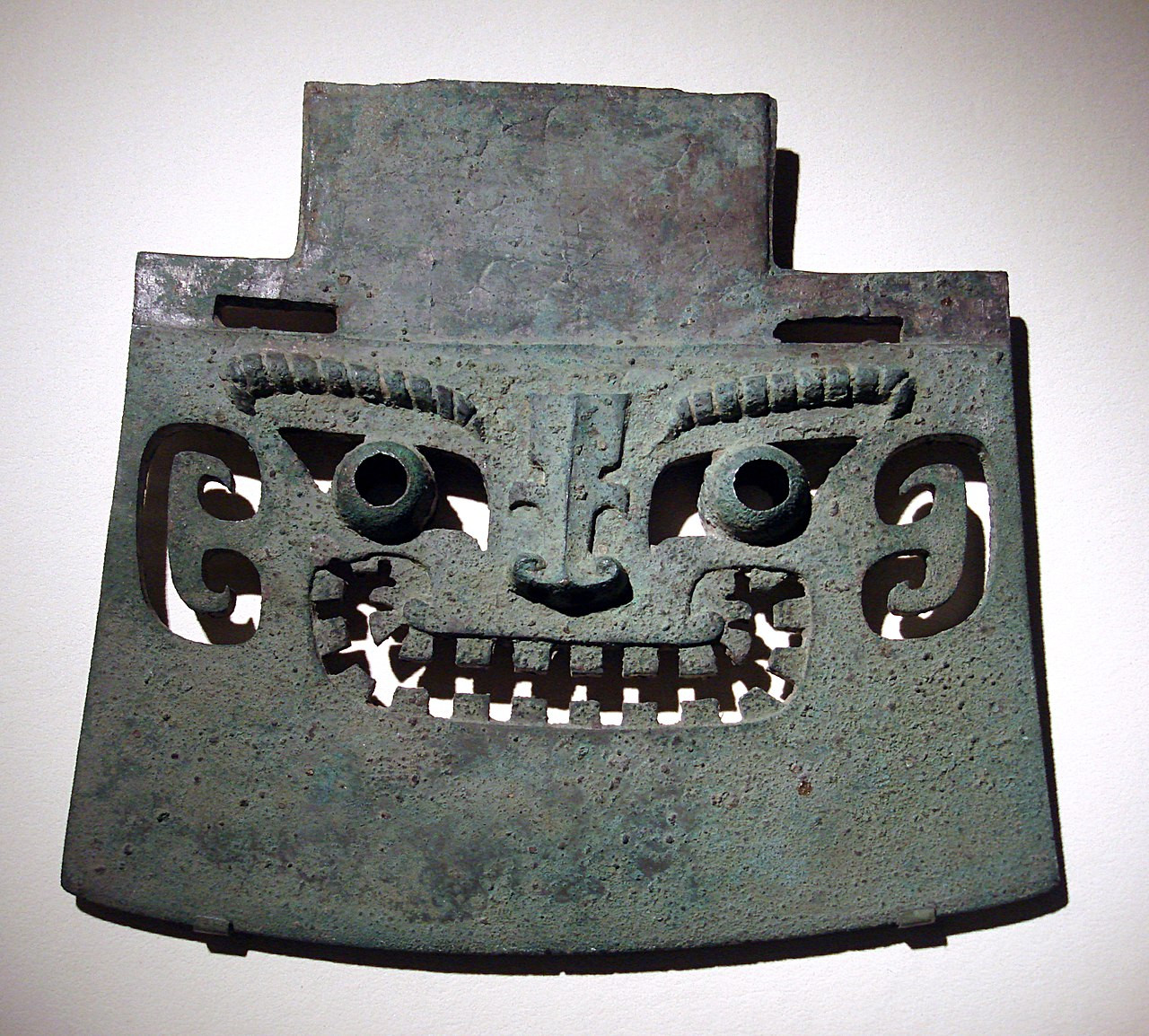
To correct this, IPPN suggested more explanation be given on the Shang Dynasty, which heralded the Bronze Age in China and the Zhou Dynasty, which followed.
Another inaccuracy highlighted is the textbooks’ claim that the first city was built during the Shang Dynasty, despite there being cities with populations of over 100,000 in China that were recorded during the Neolithic age.
Suggesting improvements, IPPN’s report said reference could be made to KC Chang’s The Archaeology of Ancient China, Fourth Edition which was published by the Yale University Press for better context on both early Chinese and Indian civilisation.
Also in Chapter 6 of the Form 1 textbook on the Greek and Roman civilisations, IPPN said the syllabus mainly touched on the democratic governance of Athens, and Roman architecture.
However, the cultural context for both civilisations, including the introduction of their philosophers and scientists, is absent from the text. Important figures, such as Socrates, Plato, Archimedes, and Pythagoras of Samos, among others, were not mentioned at all.
Similarly, a more detailed explanation would be appropriate for Christianity, which played a central role in Roman civilisation, the report said.

Likewise, a better explanation of Buddhism is needed in Chapter 7 of the textbook which deals with Chinese and Indian civilisations. This includes detailing the most basic historic facts on the founder of Buddhism, Siddharta Gautama, and the religion’s scale of influence in Southeast Asia.
Similarly, the influence of Taoism should also be included in the textbook for its strong influence on Chinese civilisation.
Finally, in Chapter 8, on Islamic civilisation and its contribution to the world, the report suggested that the causes that led to its decline and eventual downfall should have been included in the text.
Doing so would allow students to better analyse the mistakes of the past and learn them as important lessons, IPPN said. – The Vibes, October 24, 2022
This story is part of a series dealing with the IPPN’s report on the KSSM history syllabus. IPPN comprises the following NGOs: Pertubuhan Ikram Malaysia, LLG Cultural Development Centre Bhd, Tamil Foundation, Kuala Lumpur Selangor Chinese Assembly Hall, Gabungan Persatuan Guru-Guru Sekolah Cina Malaysia (Jiao Zong), Merdeka University Bhd, MySkills Foundation, Persatuan Bekas Siswazah Universiti dan Kolej di China, Malaysia, Negri Sembilan Chinese Assembly Hall, Child Information Learning Development Centre, Educational, Welfare & Research Foundation Malaysia, Global Organisation of People of Indian Origin Malaysia, Centre for Malaysian Chinese Studies, United Chinese School Committees’ Association of Malaysia, Angkatan Belia Islam Malaysia, and United Chinese School Alumni Associations of Malaysia
_Malayan_Communist_Party_figures_Chin_Peng-Abdullah_C.D.-Rashid_Maidin_at_signing_of_Hat_Yai_Peace_Agreement_on_Dec_2_1989-馬姥_slash_wikimedia_commons.jpg)