
KUALA LUMPUR – Sensitive issues such as Bahasa Malaysia’s position, vernacular schools, and citizenship rights need a more balanced account in the Form 4 history textbook for government schools, a report by the National Education Improvement Initiative (IPPN) said.
This includes details on the participation of minority groups in achieving Malaya’s independence and accuracy when explaining the prominence of Bahasa Malaysia.
Citing the Razak Report of 1956, chapter 7 of the textbook on developments leading up to independence states that Bahasa Melayu, as it was then called, was used as the main medium in secondary schools, while the English language was made a subject.
However, IPPN said it is inaccurate to state that Bahasa Melayu was the main medium in schools in 1960, as at the time, English and Mandarin were still used as the main language of instruction in secondary schools.
It was only after the Rahman Talib report in 1960 that it became mandatory for Mandarin-medium secondary schools to switch to either English or Bahasa Melayu in order to receive government funding.
English-medium secondary schools only made the switch in 1976 to Bahasa Malaysia, as it was later called, as a medium of instruction, said IPPN in its report on improvements to public schools’ Form 1 to Form 5 history textbooks (“Laporan Cadangan Penambahbaikan Buku Teks Sejarah Tingkatan 1-5”).
IPPN, which comprises 16 groups advocating accurate representation of ethnic minorities in the public education syllabus, also said chapter 8 on elections should have listed out the various election pledges made by parties.
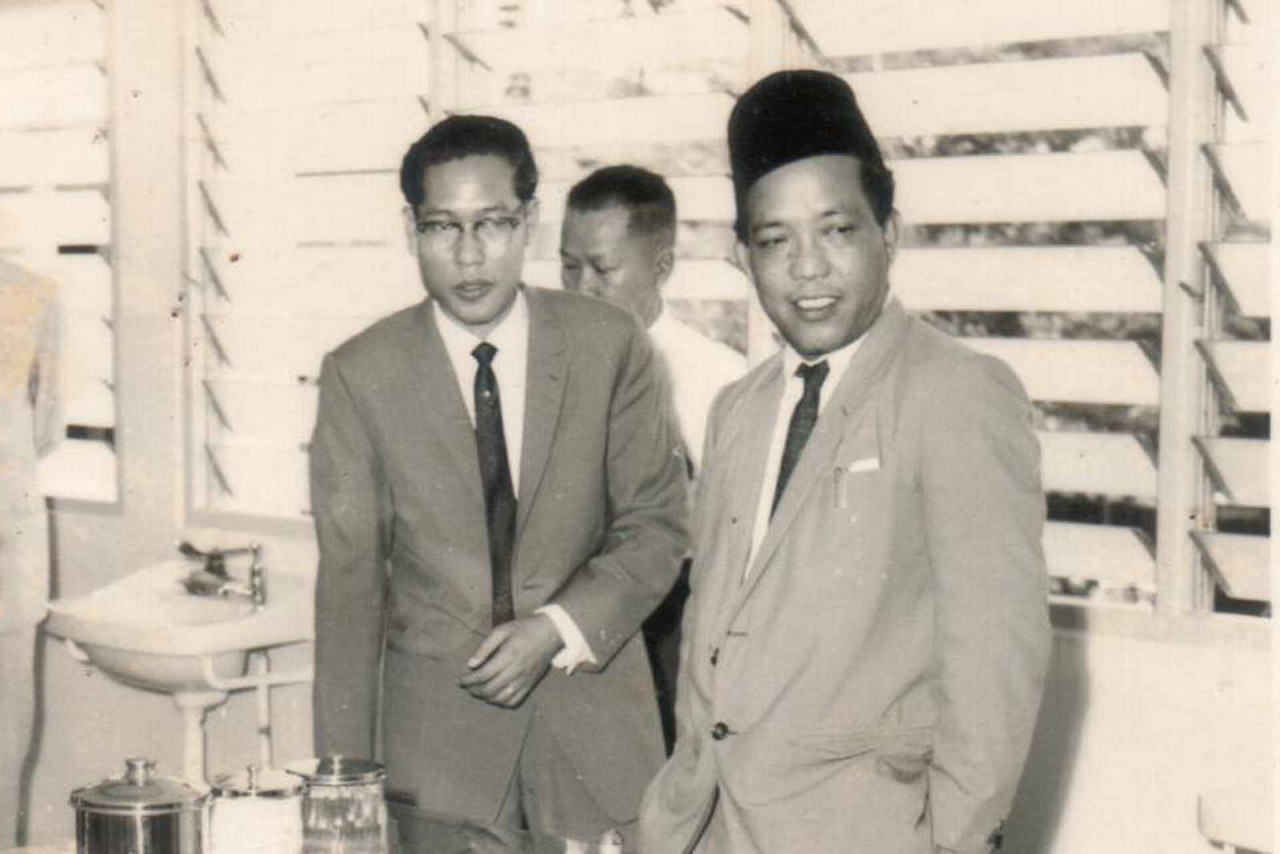
The report said this would show how promises were made to allow the development of vernacular schools and the preservation of mother-tongue languages, schools, and cultures of minority groups by political parties.
Promises were also made to provide equal treatment to all government-assisted schools.
However, the chapter on elections merely states that the Alliance Party (the predecessor of Barisan Nasional) won the first Malayan election in 1955 with a landslide victory, winning 51 out of 52 seats.
In chapter 9 on the 1957 Federal Constitution of Tanah Melayu, the Form 4 textbook states that MCA had demanded all English and vernacular schools to be preserved, while MIC had separately asked for the terms for citizenship and use of the Tamil language in schools to be considered.
IPPN said this was inaccurate, as MCA and MIC had together put up an election manifesto titled “Testament ‘Amanah’ Politik Perikatan”, which supported the preservation of English and vernacular schools, and added that Bahasa Melayu as the national language should not impede the use of other languages in the education system.
Citizenship rights and Malays’ special position
The same manifesto’s demands on jus soli, or citizenship by birthright, should have been explained further in the textbook, IPPN added.
This is because the Reid Commission, which drafted the federal constitution ahead of Malaya’s independence from the British, had referred to the “Testament Amanah Politik Perikatan” many times in its draft of the constitution.
IPPN also disputes the textbook’s claim that the Reid Commission had produced a draft of the constitution stating that the Malays’ special status and citizenship in the nation would be based on jus soli.
IPPN’s report says that the special status of Malays was to be reviewed in 15 years after independence, as suggested by the first prime minister Tunku Abdul Rahman in a closed-door session with members of the Reid Commission.
This fact was omitted from the textbook and should have been included, IPPN said, even though Tunku’s proposal was rejected by other Malay leaders and removed from the draft constitution.
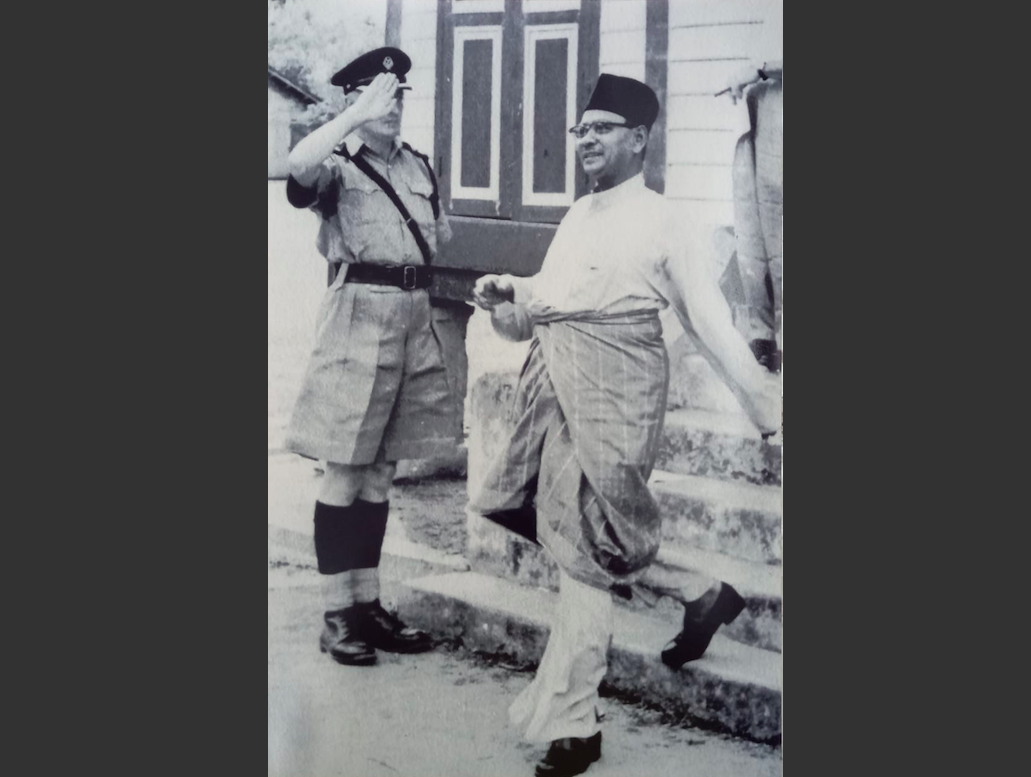
The provision was removed following objections from other Malay leaders.
Similarly, IPPN’s report also suggested that explanations on jus soli in the textbook should have included perspectives from the Chinese in Malaya, as it was a hot-button issue at the time.
This is because while jus soli was adopted in the federal constitution, the British administrators of Malaya had already been giving legal recognition to local-born Chinese as citizens.
Today, vernacular schools and citizenship remain a touchy and politicised subject, with some Malay rights groups calling for Chinese-language schools to be abolished, while nationalistic politicians have derisively labelled minority ethnic groups as “pendatang” (immigrants). – The Vibes, October 30, 2022
This is part four of a five-part series dealing with the IPPN's report on the Standard-Based Curriculum for Secondary Schools history syllabus.
Part one was on IPPN’s call for a more accurate portrayal of non-Muslim minorities in history textbooks, while part two was on Indian cultural influence on the early Malay kingdoms. Part three was on the participation of Chinese labourers in Malaya’s early economic sectors.
IPPN comprises the following NGOs: Pertubuhan Ikram Malaysia, LLG Cultural Development Centre Bhd, Tamil Foundation, Kuala Lumpur Selangor Chinese Assembly Hall, Gabungan Persatuan Guru-Guru Sekolah Cina Malaysia (Jiao Zong), Merdeka University Bhd, MySkills Foundation, Persatuan Bekas Siswazah Universiti dan Kolej di China, Malaysia, Negri Sembilan Chinese Assembly Hall, Child Information Learning Development Centre, Educational, Welfare & Research Foundation Malaysia, Global Organisation of People of Indian Origin Malaysia, Centre for Malaysian Chinese Studies, United Chinese School Committees’ Association of Malaysia, Angkatan Belia Islam Malaysia, and United Chinese School Alumni Associations of Malaysia