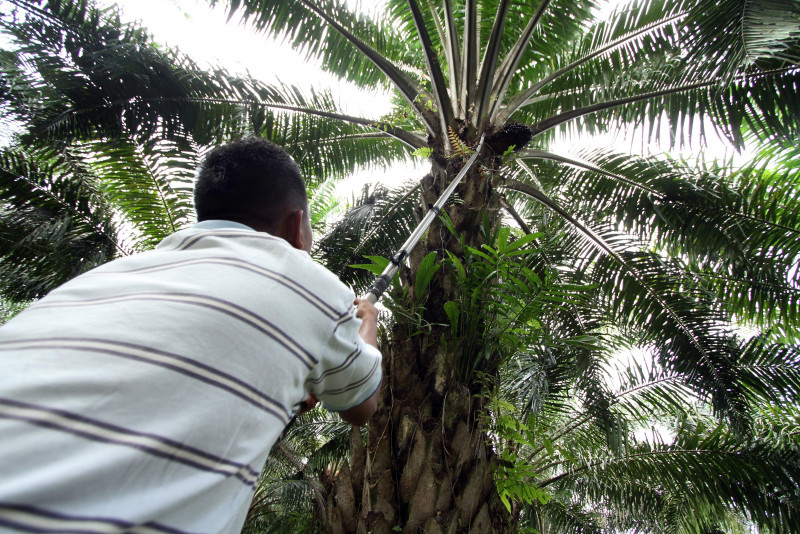

KOTA KINABALU – Sabah’s labour mismatch – high unemployment amid a shortage of workers in the plantation and construction sectors – can be resolved if locals are not fussy, said Sabah Deputy Chief Minister Datuk Seri Jeffrey Kitingan.
“If locals are willing to take up these jobs, our shortage (of workers) could be lowered and Sabah can eliminate its unemployment issues.
“This is also why there is a need to employ high technology in these sectors and raise wages to attract younger educated locals,” Kitingan told The Vibes.
He was asked to elaborate on a labour forum organised by the Institute Development of Studies here yesterday, where he expressed hope that regulatory control of labour matters can be returned from the federal government to the state.
This would allow Sabah to recruit migrant workers directly from source countries, a process currently controlled by the federal government even though Sabah has its own labour ordinance and labour department to regulate manpower matters.
Kitingan also cited a study by the East Malaysia Planters Association, which said that between RM400 million and RM500 million was lost annually in palm oil levy due to lower harvest as a result of labour shortage.
Sabah’s palm oil industry, which relies on smallholders for 20% to 30% of output, contributes RM1 billion to state coffers annually.
A change in federal policies regarding hiring migrant workers now includes the provision that jobs offered to foreigners must not affect Malaysian workers.
When tabling Budget 2023 recently, Prime Minister Datuk Seri Anwar Ibrahim said the sector suffered RM20 billion revenue loss due to policy that limits the employment of migrant workers.
He said Sime Darby Plantation’s experience has shown that local workers are willing to work in oil palm plantations if the salary is at least RM3,000 and if they are assisted by mechanisation and automation.
The federal government will also provide RM50 million in matching grants to encourage automation in the plantation sector through the use of robotics and artificial intelligence that can employ skilled local workers, Anwar had said.
Meanwhile, labour researcher Nuraffizah Roslan said that contrary to the notion that locals shun “dirty, dangerous and difficult” jobs, youth, including young women, are keen to work in the palm oil sector.
“They want to work as clerks, administration officers, or any office jobs in the palm oil estates because these large palm oil companies pay well and offer many benefits too,” she said. – The Vibes, March 22, 2023