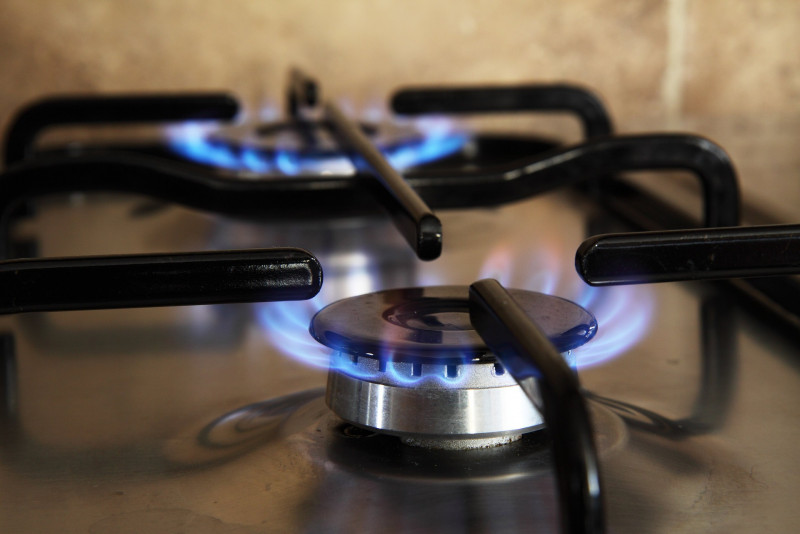
KUALA LUMPUR – The innocuous-looking gas cylinder used in kitchens all over Malaysia may appear harmless, but a series of injuries and even deaths due to explosions has prompted alarm at the lack of safety conditions for the item.
The Consumers’ Association of Penang (CAP) today called on the authorities to come out with mandatory safety standards for the cylinders.
The latest incident to spark concern occurred on July 30 when a couple in Johor was injured in a cooking gas explosion.
CAP president Mohideen Abdul Kader said the irreparable damages and casualties wrought by these fires should not be taken lightly – especially more so when such incidents could easily happen to any household or commercial establishment, sooner than one can think.
Cooking gas is odourless but mercaptan, a pungent-smelling odorant, is added to it so that leaks become detectable, he explained.
“In a gas explosion, the leak can occur at the cylinder valve, or in the connecting rubber hose, or at the oven valve. Each type of leak needs to be treated differently.
“Almost every Malaysian household has at least one stove that uses gas (in cylinders) for cooking. Even though it has been in widespread use by consumers in Malaysia for more than 50 years, there is not much information and education available for consumers on the proper use and maintenance for cooking gas cylinders.
“And many of the cylinders used may be old, rusted, and poorly maintained,” he added.
Safety policies and actions needed
Mohideen said it is important to make it mandatory for cylinders to carry an expiry date for the cylinder, valve, hose, and regulator, and for there to be regular inspections on the gas cylinders used.
CAP also called on the government to:
• ensure that all parts, including the rubber O-ring, conform to standards;
• establish an agency for testing the cylinder and other related items;
• establish a regulatory agency for the cooking gas industry;
• make it mandatory for hawker stalls and food outlets to have fire extinguishers on hand;
• promote gas safety awareness;
As for consumers, they should:
• keep their kitchens clean as oily surfaces catch fire easily;
• check the condition of the gas cylinder before using. Pay attention to the rubber seal inside the cylinder head (after the cap is removed). The seal prevents leaks after the regulator is inserted.
• replace the hoses and clips every two years, and the regulators, every five years;
• avoid over boiling from pots. Spilled soup/gravy can get into/block the gas flame holes
• ventilate the cooking area.
• not put weights like heavy books on top of the tank’s regulator if the gas is not released. If this occurs it is time to change the regulator.
• turn off the gas source and not switch on any electrical devices if there is a gas smell. This will prevent electrical sparks from setting the gas on fire or causing an explosion.
Past incidents serve as warning
Mohideen also gave a list of cooking gas cylinders accidents and fatalities that have occurred over the past years, as follows.
• In March 2023, a couple’s sahur (pre-dawn meal) plans were left in tatters after the gas cylinder exploded in their home in Sabah’s east coast Tawau district. The explosion caused substantial damage to their home.
• In February 2023, a woman died after being seriously injured in an explosion involving a cooking gas cylinder in her home in Bayan Lepas, Penang.
• In December 2022, a woman suffered serious burns to her body after a gas cylinder exploded in her house in Tasek Gelugor, Penang. She was about to light a fire when the cylinder suddenly exploded.
• In May, 2022, a family of five suffered injuries in an explosion believed to have been caused by cooking gas leakage at their home in Nibong Tebal, Penang.
• In August 2021, a doctor died after three weeks in hospital following an explosion caused by a gas leak at his home in Penang.
• In May 2021, a man was killed when a gas tank in a workshop exploded in Pantai Remis, Perak.
• In September 2017, eight foreign workers were injured when a cooking gas cylinder exploded at the warehouse in Subang, Kuala Lumpur.
• In November 2014, a woman involved in a cooking gas tank explosion in Klang , died after 8 days in hospital.
Severe medical consequences
“According to a doctor, gas explosions are currently one of the most common reasons for admissions to the nation’s burns units, and because of the complexity and severity of such cases the majority have to be managed in the government hospitals, requiring high-intensive care,” Mohideen said.
He stressed that the mortality rate for gas explosion accidents is very high, and roughly corresponds with the surface area of the body involved, for example if it is an 80% the mortality is as high as 80%.
In most cases if the victim is able to survive the first 24 hours, they will encounter multi-organ complications, infection, and organ failure, which all account for the high mortality.
In cases where the victim survives, hospitalisation is often for a period of six months or more, with lengthy rehabilitation post-discharge, and if they are ever able to resume work it will be a long time, he cautioned. – The Vibes, August 16, 2023