AS the Chair of ASEAN in what is being seen as the most engaged and active leadership of the bloc in decades, Malaysia finds itself not only in the spotlight but on the very edge of the global chessboard.
And this is no ordinary game. The pieces are heavier, the stakes are higher, and the moves we make now will define not just regional dynamics, but our nation’s trajectory for generations.
At the centre of this shifting geopolitical landscape stand three colossal powers—the United States, China, and India—each with their own agendas, ambitions, and expectations.
For Malaysia, a nation proud of its non-aligned roots, diversity, and legacy of diplomacy, this is both a challenge and a rare opportunity.
ASEAN’s revival: Malaysia at the helm
For years, ASEAN was seen as passive, bureaucratic, and often indecisive. But under Malaysia’s current leadership, we are witnessing a renaissance—a pivot from the comfort of quiet diplomacy to the urgency of meaningful action.
Whether it is the South China Sea tensions, the Myanmar crisis, or economic cooperation in the post-pandemic world, Malaysia has taken positions that are firm, thoughtful, and unafraid of scrutiny.
But leadership on the ASEAN stage requires more than chairing meetings and issuing communiqués.
It requires clarity of vision, strategic courage, and the ability to walk the tightrope between powerful, often conflicting interests.
The United States: Ally or opportunist?
The US continues to assert itself as a Pacific power, and its Indo-Pacific strategy makes Southeast Asia a central theatre in its rivalry with China.
While American investment, security cooperation, and technology remain crucial to our development, we must remember: the United States, like all powers, acts primarily in its own interest.
Malaysia must engage Washington—but not at the cost of sovereignty or stability.
We must welcome investment, foster people-to-people ties, and defend a rules-based order—but never become a pawn in another country’s power play.
America respects strength and clarity; it does not need more cheerleaders—it needs credible partners.
This is regardless of how the current US administration positions itself in what is a very short term play.
China: Partner or power?
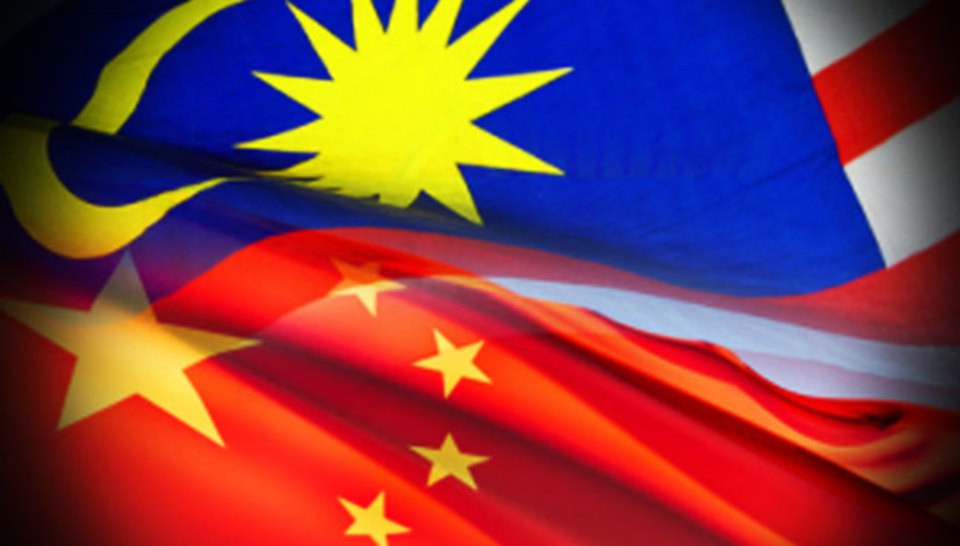
Geography cannot be changed. China is our neighbour, our largest trading partner, and a civilization with millennia of connection to our region.
Yet, we must also be honest about the pressures it exerts—especially in the South China Sea.
Malaysia’s approach to China should be anchored in mutual respect, but never submissiveness.
We must continue to engage Beijing on trade, infrastructure, and green technology. But we must also stand firm on our territorial rights, demand fair terms, and champion the sovereignty of all ASEAN members.
The real diplomacy lies not in choosing sides, but in refusing to allow any side to choose our fate for us.
The Indian Emergence: The Quiet Third Giant
While much of the world frames the great rivalry as US vs. China, the more nuanced strategist sees a third giant rising steadily—India.
With a youthful population, a booming digital economy, and growing military reach, India is no longer an observer; it is a player.
Malaysia shares deep historical and cultural ties with India. Our people, our food, our languages—all bear witness to centuries of exchange.
More importantly, India has shown a respect for Malaysia’s independence and has, unlike others, avoided overt pressure politics.
As India increases its engagement in ASEAN—especially through the Indo-Pacific Oceans Initiative and infrastructure projects—Malaysia should see it not as a counterweight, but as a collaborator in shaping a multipolar region.
The social capitalist lens
For Malaysia to thrive in this complex environment, we must stop playing defence and start shaping the game itself.
This is where the principle of social capitalism becomes critical. We must not just seek growth, but equitable, sustainable growth that uplifts our people and communities while attracting responsible global capital.
Malaysia should champion climate action not because it is fashionable, but because we can be a hub for green innovation.
We should lead on digital governance, not just adapt to the platforms of others. We should educate our youth to be global citizens, rooted in values but fluent in strategy.
In short, our foreign policy must align with our values—compassion, independence, and courage.
The road ahead: Between giants, but not beneath them
We must remember that being in the middle of great powers does not mean being caught in the middle. It means we are essential. It means we have leverage.
But only if we are united, confident, and clear-eyed about who we are and what we stand for.
Malaysia is more than a small country managing big egos.
We are a historical bridge between civilizations, a moral voice in times of confusion, and a nation whose best days are still ahead—if we are bold enough to claim them.
Let us lead ASEAN not with slogans, but with substance.
Let us embrace our friendships with all, while surrendering to none.
And above all, let us ensure that Malaysia with ASEAN, is not just on the chessboard—but in command of the next move. – April 14, 2025
Datuk Dr Vinod Sekhar is the publisher of the Vibes and Chairman of the Petra Group