
THE “war of words” over the Penang South Islands project, better known as Penang South Reclamation (PSR), has heightened after Permatang Pauh MP Nurul Izzah Anwar made her opposition to it loud and clear.
This has added to the woes of the beleaguered DAP-led state government, which has been embroiled in a “battle” with civil society groups and some segments of the local population on whether the project is viable.
Some were taken aback by Nurul Izzah’s stand, seen as going against the grain as Penang is considered Pakatan Harapan’s “safe state”.
However, this not the first time she has opposed the PSR project – it’s her third.
She had first expressed her opposition to the mega project on July 11, 2019, after she went to the ground and listened to objections raised by environmental non-governmental organisations and fishermen in a protest rally held outside Parliament.
On July 29, 2019, Nurul Izzah once again issued a statement on the PSR, advising Penang not to follow in the footsteps of other countries undertaking reclamation projects, such Hong Kong and Dubai.
She again reaffirmed her stance when she wrote on her blog, urging Penang to cancel the three man-made islands, and focus on efforts to curb the spread of Covid-19 while protecting the environment and sources of income for fishermen in the state.
Her repeated opposition does not bode well for the state government – now led by Chow Kon Yeow, who recently unveiled a new financing plan for Island A. However, the chief minister – prudently – did not engage in a war of words over Nurul Izzah’s blog post.
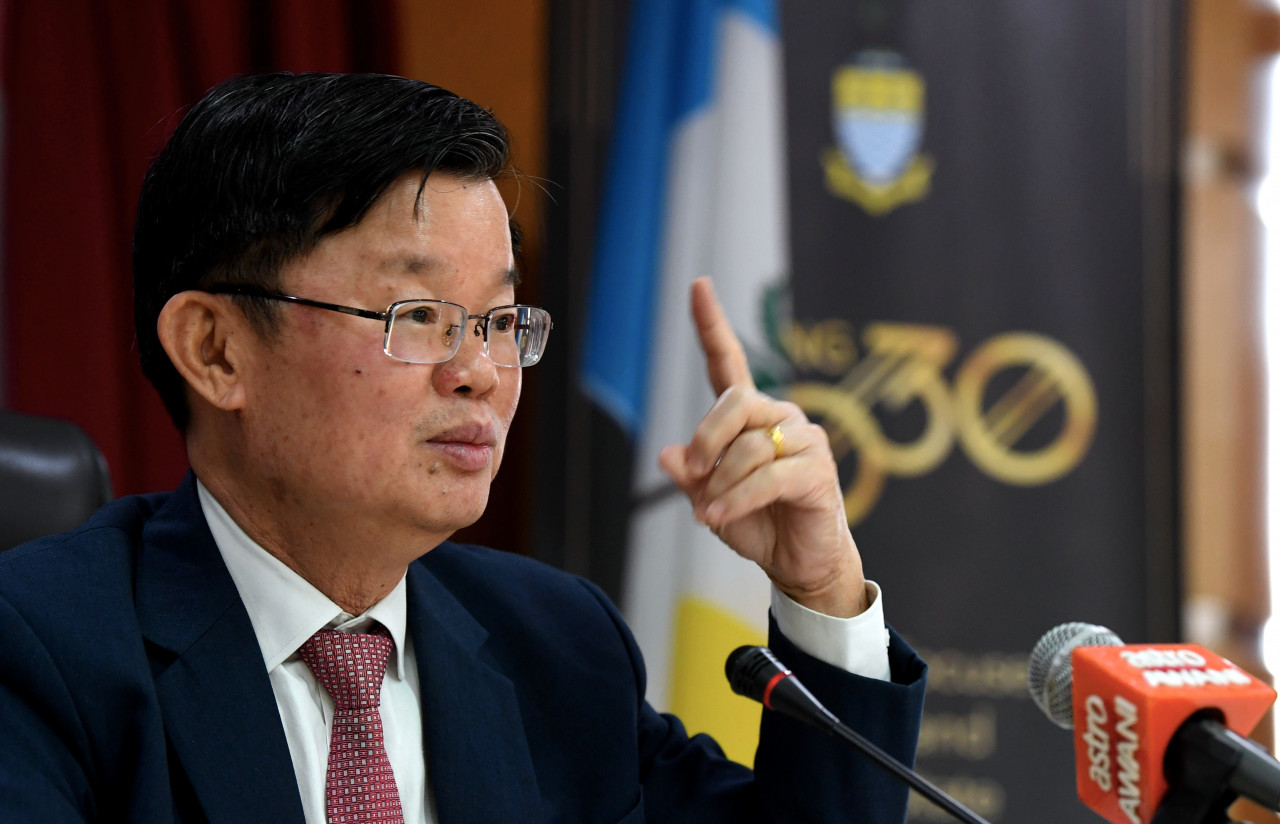
In my experience covering Chow since I was posted to Penang seven years ago, the senior DAP leader does not like to be embroiled in controversy, and the former journalist is also more comfortable taking a moderate and cautious stance.
A rebuttal was, however, undertaken by state Infrastructure and Transport Committee chairman Zairil Khir Johari, who dismissed each of the points Nurul Izzah made, and presented four arguments as to why the PSR should continue amid the pandemic.
Among Zairil’s arguments that caught my attention was an independent study by PricewaterhouseCoopers (PwC) that said the PSR would be able to attract RM70 billion in foreign direct investment and create more than 300,000 jobs in 30 years.
The study has never been made public. In turn, it was disputed by the Consumers’ Association of Penang and Sahabat Alam Malaysia, which said the PwC study was not previously cited as a basis for the PSR project.
Apart from public criticism, the PSR faces more challenging matters involving the source of funding for the multi-billion ringgit project.
Plans to build Island A first as a joint venture with the SRS Consortium – as announced in March – are likely to change, as the state government has to follow the original plan of the Environmental Impact Assessment (EIA) report submitted to the Environment Department (DoE).
Currently, the state government has to resubmit the Environmental Management Plan (EMP), which is expected this month, after the first EMP submitted in January was rejected by DoE for not following the original construction sequence.
The EMP is part of the EIA’s approval conditions for the project, which requires the appointed contractor to comply with prescribed environmental control measures and programmes.
According to the EIA report, which was approved in June 2019, the PSR project should have started by initially building Island B with an area of 4.45 sq km, followed by Island A with 9.3 sq km, and Island C with 3.23 sq km.
However, in March, the state government announced changes to the financing plan for Island A, which would be made through a private financing initiative without any funding from the state government, with a 30:70 stake with SRS Consortium.
Chow also announced that preliminary work or Phase 1 reclamation work would start with Island A, which will take five years to complete at a cost of RM3.8 billion.
Now that the state government has to follow the original plan, which is to build Island B first, what about the joint venture for Island A as announced earlier? Who will be financing the construction of Island B?
This is because the Penang Transport Master Plan, which involves various infrastructure projects worth RM46 billion, will not materialise if the PSR is not carried out.
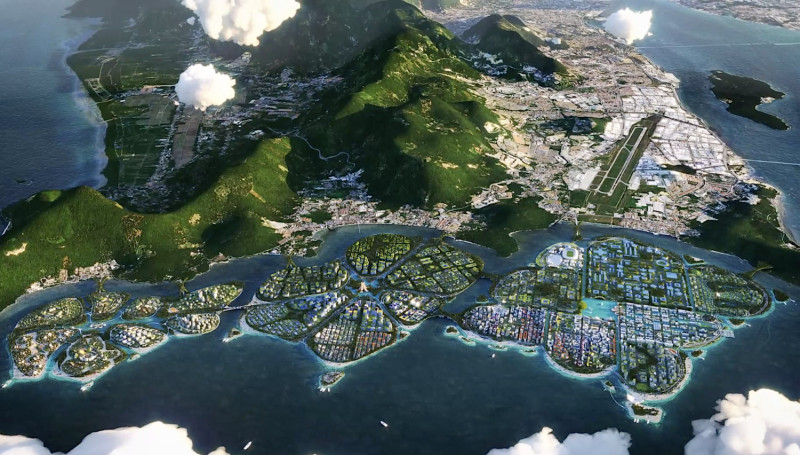
The PSR involves 1,700ha of three artificial islands off the coast of Gertak Sanggul and Permatang Damar Laut.
Yet, I believe the state government has the advantage of managing this well because it continues to enjoy the benefit of the doubt among many people here with the view that since 2008, there has not been any major infrastructure project on the island.
At the same time, Penang continues to feature in the top five in terms of luring foreign direct investments.
While the DAP-led state may see the PSR project as a political win, it remains to be seen if it can convince its ally PKR of the same. – The Vibes, June 7, 2021
Sofia Nasir is a reporter at The Vibes




.jpeg)