WHEN Covid-19 took hold around the world, trust in some governments soared, after decades of decline.
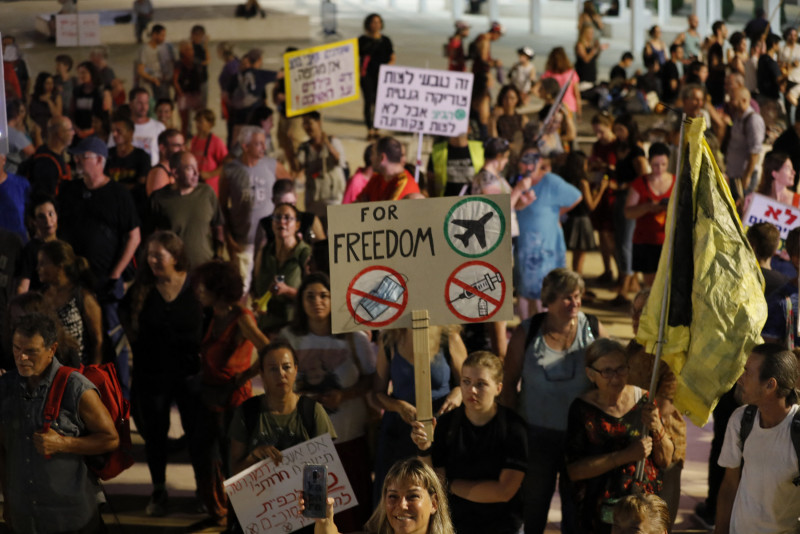
It was a false dawn. Cries of “we’re all in this together” were trumped by what the World Health Organisation had already identified as the “infodemic”: an overabundance of information making it hard for people to take the right decisions to protect their health.
The pandemic has led to some people distrusting medical experts and others they used to rely on in their community. There have been fractures over the use of vaccines within families. The consequences of declining trust are creating major social problems.
We’re left ill-prepared for another crisis. As the analysts at Edelman, a public relations firm, put it, the world finds itself “ensnared in a vicious cycle of distrust, fueled by a growing lack of faith in media and government. Through disinformation and division, these two institutions are feeding the cycle and exploiting it for commercial and political gain”.
Distrust has become the default. A majority (55%) of Australians in a 2022 Edelman survey said their default tendency was to distrust something until they saw evidence it was trustworthy.
A majority believe that journalists (65%), government leaders (61%) and business leaders (61%) are actively trying to mislead them by saying things they know are false or grossly exaggerated.
Trust inequality in Australia is the worst in the world – it is distributed across different communities in different ways. It’s high for the well off and the more highly educated and low for the rest of society.
Governments are left communicating with two audiences: one that trusts, and one that doesn’t. This matters because trust inequality is linked to radicalisation and extremism.
Trust, and trusted information, are also essential during emergencies and for building disaster resilient communities. The US Federal Emergency Management Agency calls it “the glue that holds different groups together, strengthens and sustains solidarity, and supports the means for collective action”.
The fracturing of trust also has economic repercussions: the Organisation for Economic Cooperation and Development (OECD) says it compromises the willingness of citizens and business leaders to respond to public policies and contribute to a sustainable economic recovery. It wants the public sector to “challenge existing models for measuring trust”.
As a social construct that demands reciprocity, trust is based on emotion, on experience, and evidence. When we trust someone, we think about a relationship that goes both ways. We can be vulnerable with them because we can rely on them in times of need, and we can confidently expect that they will act in a way that we can predict. In this way trust acts as a “protective cocoon”. It can be broken when one party does not act as expected.
Without the glue of trust, our society will continue to fly apart and the resilience and inclusiveness central to a well-functioning open society will be difficult to maintain.
The flows of trust between communities and government are central to a properly functioning civil society and building resilience to social harms. But the collapse of public trust in information from authorities makes it more difficult for them to take action to reverse this trend.
Fixing the trust deficit is in the interest of governments, business and the whole of society. But it requires action by those in authority. Worryingly, it is those in authority who have broken the bonds of trust and seem most paralysed about what to do to fix it. – The Vibes, April 12, 2022
Mark Duckworth PSM is a senior research fellow at the Alfred Deakin Institute for Citizenship and Globalisation, Deakin University, working in the Centre for Resilient and Inclusive Societies (CRIS), Australia.
Published under Creative Commons and in partnership with 360info.org