DUBAI – A temporary ban on using saliva to shine cricket balls was made permanent today by the International Cricket Council (ICC).
And the running out of the non-striker will no longer be classed under “unfair play” after a raft of rule changes from October 1 were endorsed by a meeting of the ICC chief executives’ committee.
Next month’s T20 World Cup in Australia will be the first major tournament to be played under the new playing conditions.
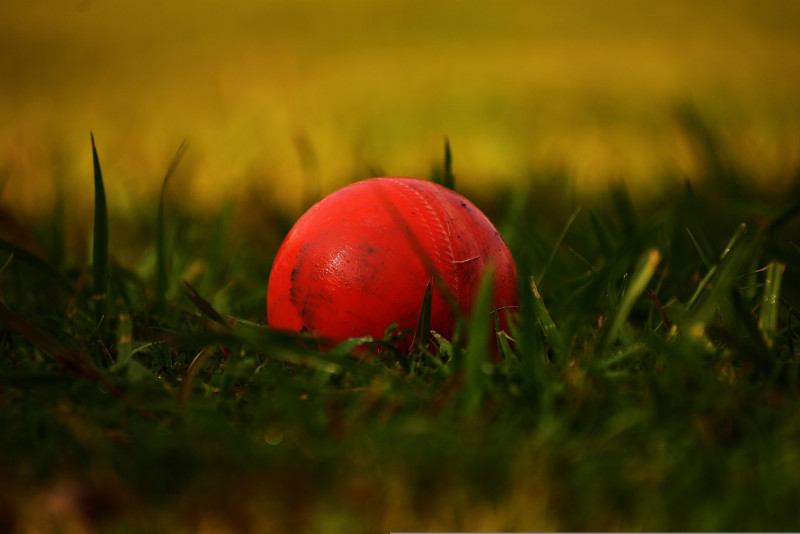
The ICC said the ban on saliva to shine one side of the ball to help it swing through the air, brought in May 2020 as a temporary measure to prevent Covid-19 transmission, would stay.
“The ban on saliva use has been in place for over two years in international cricket as a Covid-19-related temporary measure and it is considered appropriate for the ban to be made permanent,” an ICC statement said.
The controversial running out of a non-striker encroaching out of his crease by the bowler is now legitimised after being moved from the “unfair play” section of the rules to the “run out” section.
“Running out a non-striker for backing up too much will now be considered as a regular run out,” the ICC said.
The dismissal was famously dubbed a “Mankad” named after the India bowler who ran out Australia batsman Bill Brown in the 1948 Sydney Test.
But bowlers will no longer be allowed to attempt to run out the striker by advancing down the wicket before entering their delivery stride and throwing at the stumps. If they make such an attempt, it will be called a dead ball.
Other rule changes see the new batter having to face the next ball at the striker’s end.
“Previously, in case the batters crossed before a catch was taken, the new batter would be at the non-striker’s end,” ICC said.
The time taken by an incoming batter to take strike in Tests and one-day internationals is now reduced from three minutes to two while in T20 internationals it remains at 90 seconds.
One of the other new rules says if fielders make any unfair and deliberate movements while the bowler is running in to bowl, the batting side can be awarded five penalty runs.
Another change allows the use of hybrid pitches at all men’s and women’s one-day and Twenty20 internationals.
Hybrid pitches, a blend of natural grass with artificial turf, have only been previously used in women’s T20 internationals. – AFP, September 20, 2022




.jpeg)