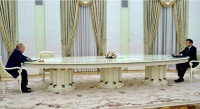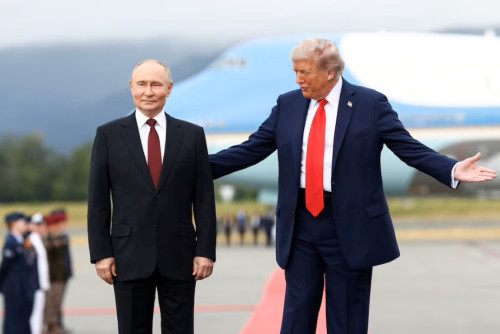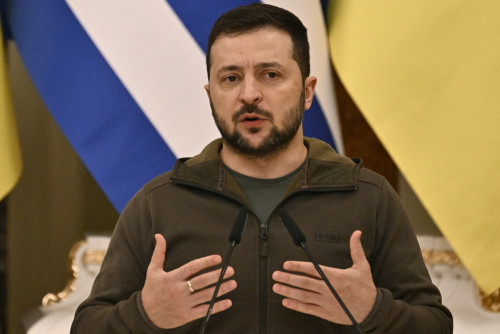
NEW DELHI – As Ukrainians resist the Russian invasion, a renewed cold war is heating up between Russia and North Atlantic Treaty Organisation (Nato) partners.
Western sanctions are intensifying on Russia and the situation threatens to engulf other regions, challenging other tense regional dynamics – including the fragile relationship between India and China.
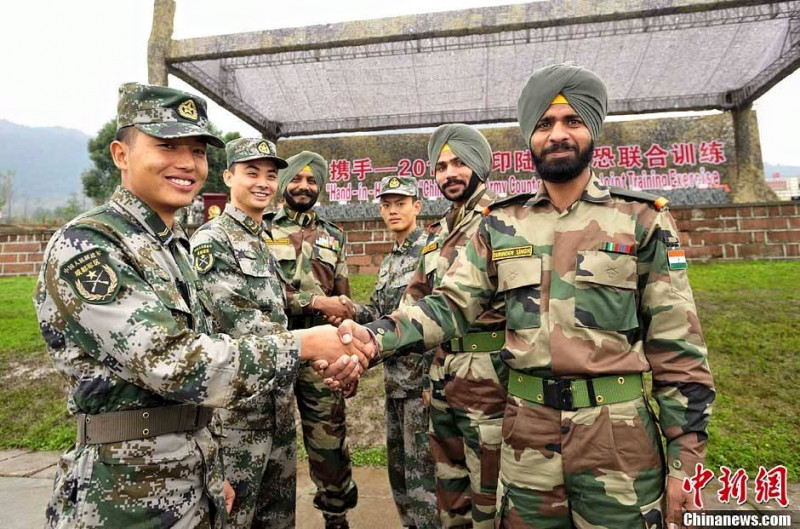
India and China’s relations have been plagued by a territorial dispute that flared into a border skirmish on June 15, 2020, resulting in 20 Indian soldiers being killed and an estimated 43 Chinese soldiers injured. This not only restricted the development of bilateral relations, but also sowed seeds of a new cold war between India and China.
The Cold War between the US and Russia featured two countries vying for global and regional leadership, engaged in an ideological conflict of democracy versus socialism, and campaigns of military containment and proxy wars. The two countries never broke into person-to-person warfare, nor were there economic interactions, and the massive nuclear weapons threat lingering in the background remained just that.
Just as a reminiscent dynamic emerges between Russia and Nato, so too is a cold war of sorts between India and China, a relationship that has been complicated by the Russian invasion of Ukraine.
While India and China have exhibited neutrality during United Nations debates over the invasion, and both countries have good relations with Russia, there are qualitative differences in the type of relationship they have.
India’s relations with Russia, specifically its importation of arms, serves mainly to address the challenge from China. Meanwhile, China’s support of Russia shows a united front against Nato and the United States’ hegemony and power politics.
On the other hand, India had intensified the 2+2 dialogue mechanism – an approach that pairs India’s foreign and defence ministers with their overseas counterparts – not only with the US, but with other Quad partners. Notably, some Chinese commentators have castigated Quad as an “Asian Nato” in the making.
Cold war-type conflict in Asia
Some of the features of the Cold War US-Soviet hostility are now seen in the Ukrainian conflict, and are also reflected in the differences between India and China.
For instance, the 19th Chinese Communist Party Congress in 2017 wished for China to “occupy the centrestage” in global and regional orders, suggesting a potential tussle among major powers was on the cards, including in India-China relations.
Chinese President Xi Jinping, addressing the May 2014 Conference on Interaction on Confidence Building Measures at Shanghai, said Asian countries should look after their own security (i.e. resisting any help from the US), a posture that was seen as carving out a leadership position in Asia for China.
Both of these are not acceptable to India (or for that matter to Japan, Indonesia, Vietnam, Turkey, or Kazakhstan). A leadership tussle in Asia could trigger a new cold war-type conflict in Asia in the near future.
India has instead advocated for multipolarity in Asia in the face of China’s coercive diplomacy over Taiwan, Japan, Vietnam, Philippines, India, and others. It continues to resist China calling the shots in Asia.
Much like the Cold War, containment is all the rage again. Since 2013, through its Belt and Road Initiative, China began constructing infrastructure projects in Pakistan-occupied Kashmir and is gradually bringing Nepal, Sri Lanka, Bangladesh, and Myanmar into its vortex.
China’s arms transfers, aid, and interference in the internal affairs of these Southern Asian countries has been stepped up to counter India. While China’s efforts may be to acquire allies and friends in different parts of the world as a part of its global hegemonic drive, it could lead to potential full-fledged containment of India.
Additionally, the nuclear threat is back. China’s violation of many written agreements, their mobilisation of forces and military casualties have led to both sides mobilising an estimated 200,000 troops across the Line of Actual Control. In addition to the ground forces, air forces have also been on high alert for the past two years.
Leadership dialogue and bilateral trade
However, unlike in the Cold War between the US and the then Soviet Union, India and China currently have not reported any strategic forces mobilisation. This could be partly due to the fact that both abide by a “no first use” nuclear policy.
While both tested different types of missile systems, no public display of nuclear deterrence is visible so far unlike between the US and the then Soviet Union.
Hence the world has so far avoided another Bay of Pigs incident in India-China (although, since 2009, India has been prepared for a “two-front war” under nuclear conditions).
But unlike the Cold War, which saw the US and Russia having no dialogue outside of “mutually assured destruction” posturing and a few secret negotiations, leaders in India and China are amenable to sharing global power in a “multipolarity” phenomenon.
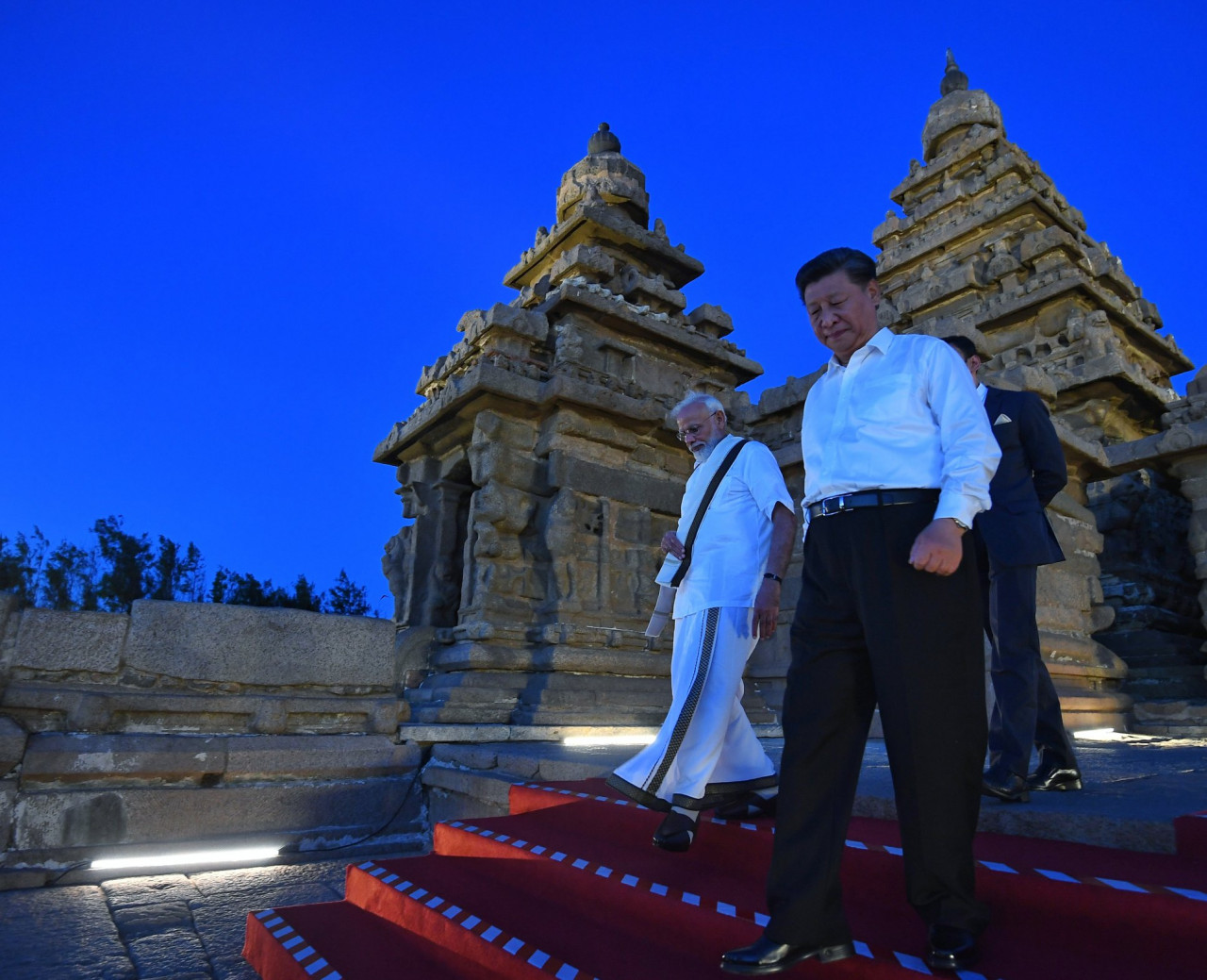
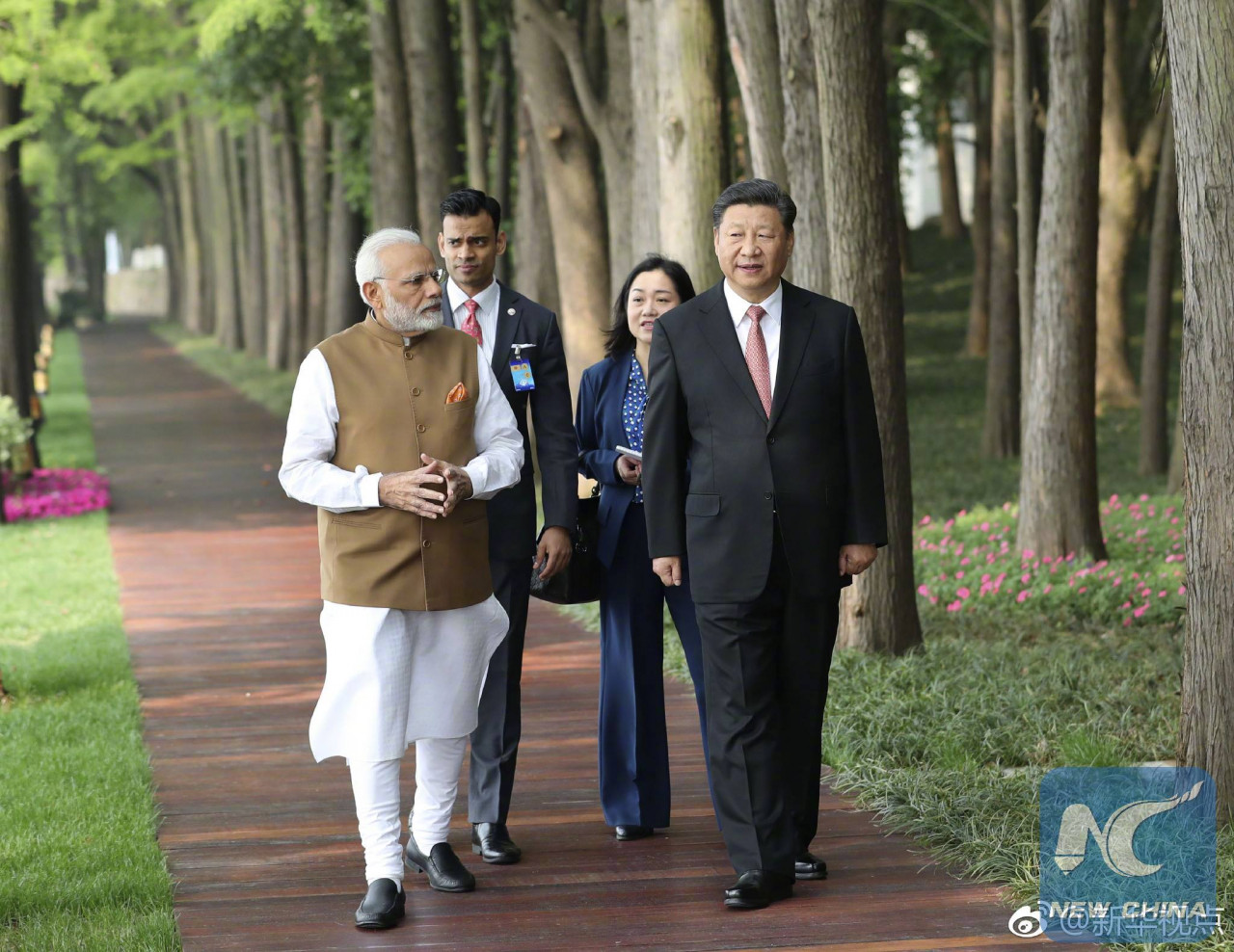
India and China interact in multilateral institutions like BRICS (Brazil, Russia, India, China and South Africa), or at Shanghai Cooperation Organisation summit meetings. However, the observable “warmth” generated at Wuhan and Chennai via “informal summits” between the Indian and Chinese leaders in 2018 and 2019 has disappeared of late.
Trade between the two countries has not only continued, but flourished. Despite the border tensions, the 2021 bilateral trade figures crossed a record US$125 billion (RM549.3 billion), partly due to the items related to the pandemic, such as oxygen concentrators.
But even in the well-performing sector of trade, the tensions are present: India does not allow free trade with China, and will not join China’s Regional Comprehensive Economic Partnership or other trade arrangements. This boils down to the lack of market economy status in China, and the restrictions they have imposed on Indian pharmaceutical and IT software products.
While both India and China are part of globalisation and cooperate in the World Trade Organisation on protecting developing countries’ interests, at the bilateral level, a subtle cold war is emerging.
While the Cold War has not been completely copied into the tensions between India and China, the events in Ukraine have unleashed the potential for some type of non-military escalation. – The Vibes, May 26, 2022
Srikanth Kondapalli is a professor in Chinese studies and dean of the School of International Studies at Jawaharlal Nehru University, New Delhi.
Published under Creative Commons and in partnership with 360info.org