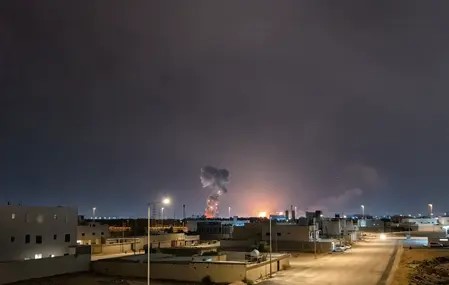
BANDUNG – Jakarta is well known for its smog. In a large urban city with over 10 million people, health costs due to air pollution in Jakarta were estimated at Rp 38.5 billion (RM11,652,586.05) in 2010. But not all air pollution comes from within the city limits.
Much of the air pollution drifts from surrounding areas or is ferried in as commuters descend on the capital daily. It’s a situation that makes managing pollution even more challenging.
There are no coal-fired power plants within Jakarta’s city boundary. Muara Karang power plant in North Jakarta has been converted to gas fuel as part of a carbon neutrality plan, but there are still some power plants 20km to the east and 55km to the west of the borders. These emission sources might contribute around 6% to 13% of sulphur as transboundary air pollution in Jakarta.
Air pollution is already estimated to cause 123,000 premature deaths in Indonesia annually, putting it in the top 10 worst countries for air-pollution deaths. Air pollution-related illnesses and diseases, including asthma, pneumonia and coronary artery disease, affected 57.8% of Jakarta’s population in 2010; and could cause Jakartans to die 2.3 years early.
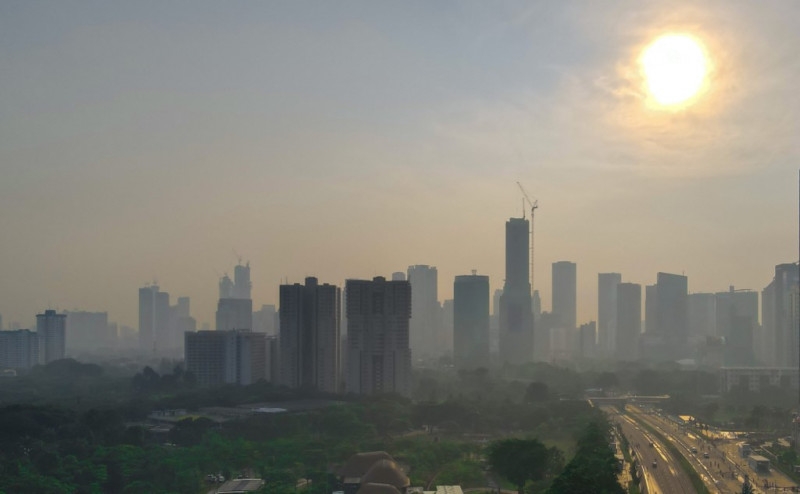
On bright sunny days, photochemical smog is common in Jakarta. The hazy grey-brown sky is the result of air pollutants reacting with sunlight. In the polluted atmosphere of Jakarta, with abundant sunshine all year round, Jakarta’s people voiced their concerns. A citizen lawsuit on air pollution was filed against the government, demanding strong emissions standards. They won in 2021.
Air pollution severity is recorded in Jakarta’s many monitoring stations. Ozone, as well as coarse (PM10) and fine (PM 2.5) soot particles, are the measures most frequently in violation of ambient air quality standards. These are also the pollutants that are commonly found in photochemical smog.
Millions of smoke-emitting vehicles daily
Jakarta has work to do on managing emissions within its boundaries, particularly in the transport sector. 85% of its area has been built up and packed by residential development and dense road networks.
In addition to exposure outside, the proximity of roads and houses could increase the health risks of air pollution due to the intrusion of outdoor air pollutants indoors.
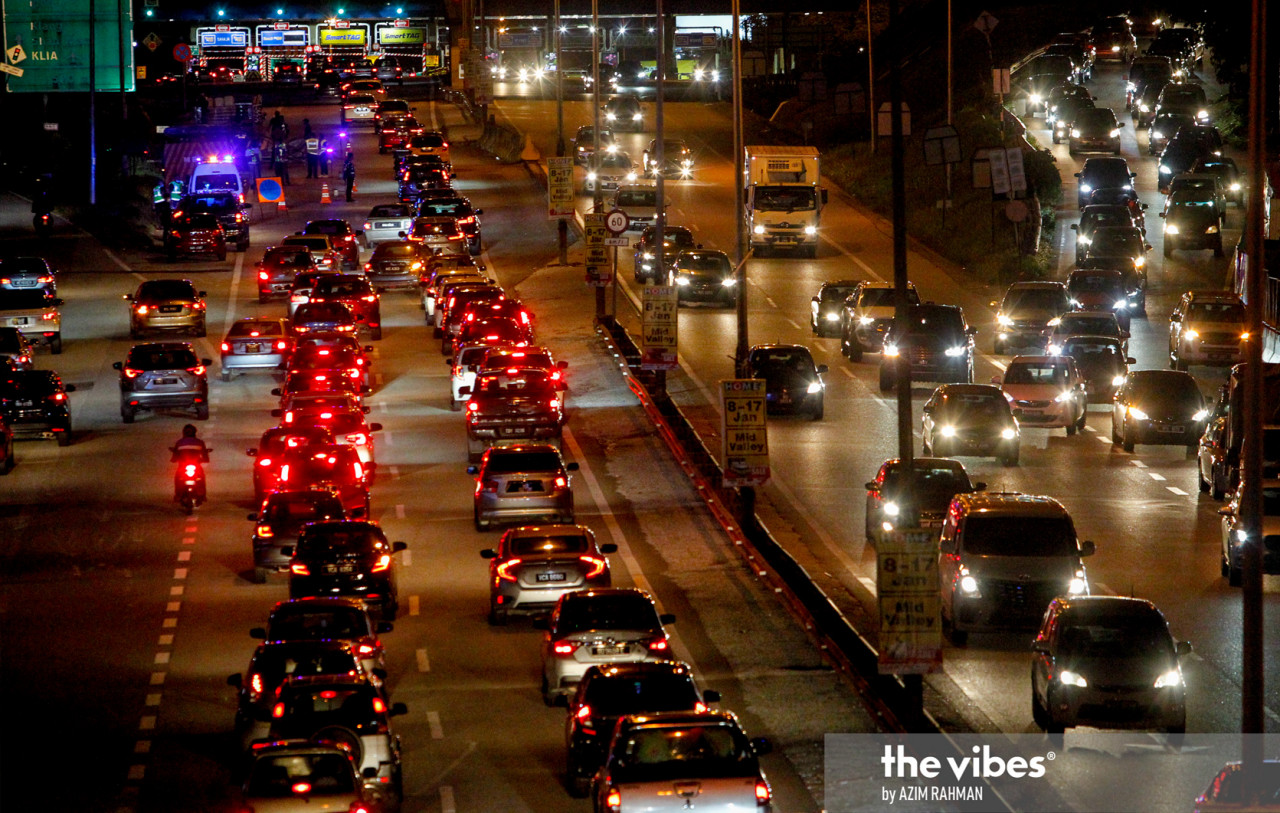
85% of Jakarta’s motorised transport is private vehicles; public transport is less than 10%. Statistics from 2020 showed the number of motorised vehicles registered in Jakarta is more than 20 million, and it’s increasing. On average, that’s two vehicles per person.
Apart from vehicles registered in Jakarta, the emissions from commuters also contribute to emissions in Jakarta. Around 2.2 million people from nearby West Java and Banten Province cities commute to work in Jakarta; 72% of them are in private vehicles.
To develop a more effective strategy within Jakarta, coordination for emission reduction policies with the neighbouring jurisdictions is being explored.
Over 90% of the tested vehicles complied with emission standards, but the root of the problem is that the sheer number of vehicles is just too huge. The Metropolitan Greater Jakarta Traffic Directorate reports 22 million vehicle trips within the area daily.
Focus on public transport urgently needed
As with so many cities globally, a shift to public transport, backed by transit-based spatial planning, is the way to eliminate the bulk of air pollution. This planning cannot be done separately from the seven cities in the neighbouring provinces.
The relevant agency plans to finalise public transport infrastructures by 2024 for a target of shifting 60% of private vehicles to public transport by 2030. But promoting public transport will mean pushing people from their comfort zone of door-to-door transportation, particularly by motorcycles.
Public education campaigns and other soft interventions such as gamification could increase consciousness of air pollution and motivate public-transport use and non-motorised transport.
The Jakarta air pollution control strategy also emphasises the use of much less polluting fuels, for example, natural gas and electricity in the entire fleets of public vehicles. Taking lessons from the pandemic by promoting working from home to private sectors could further reduce trips; air quality data show it effectively reduced air pollution levels during the pandemic. – The Vibes, September 13, 2022
Driejana is an associate professor in the Faculty of Civil and Environmental Engineering, Institut Teknologi Bandung, Bandung, Indonesia. Her research interest is in air quality management and policy; air quality monitoring; air quality and health. Driejana is an expert on Jakarta’s Grand Design in Air Pollution Control study funded by the Jakarta Environmental Agency.
Published under Creative Commons and in partnership with 360info.org