FRANKFURT – German production and exports continued to recover in November, official data showed Friday, showing that Europe’s largest economy is close to catching up to levels before the economic shock of the Covid-19 pandemic.
Industrial production rose 0.9% month-on-month, the seventh month in a row it increased, federal statistics agency Destatis said, albeit decelerating from a 3.4% rise in October.
It means that production in November was just 3.8% below the level of February 2020, and only 2.6% below the level of November 2019.
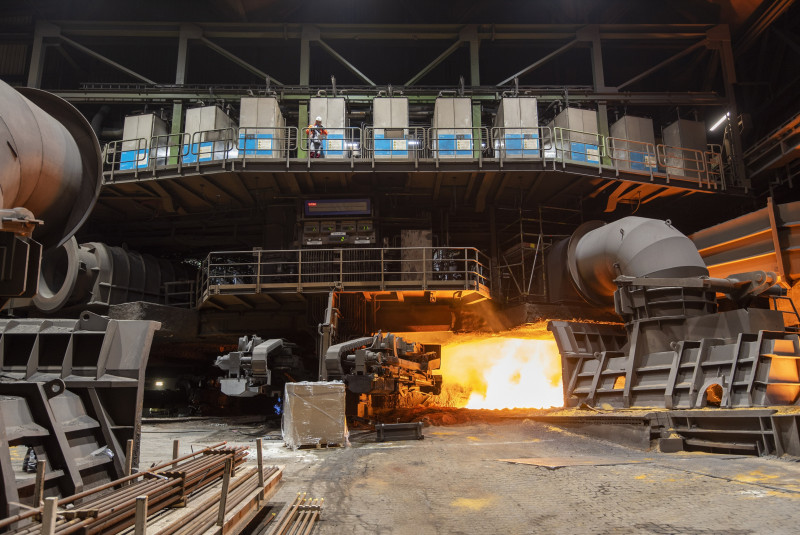
Although Germany shut restaurants, bars, cultural and leisure sites in November to curb the spread of the coronavirus, the curbs did not extend to factories or manufacturing, limiting the hit on production or exports of German-made goods.
The outlook for industry “remains subdued in view of the pandemic and tightened lockdowns, but the order situation and business sentiment have improved recently,” the economy ministry said in a statement.
“Neither the light lockdown in Germany itself nor the stricter lockdowns in some neighbouring countries impacted German industry in November,” ING economist Carsten Brzeski said.
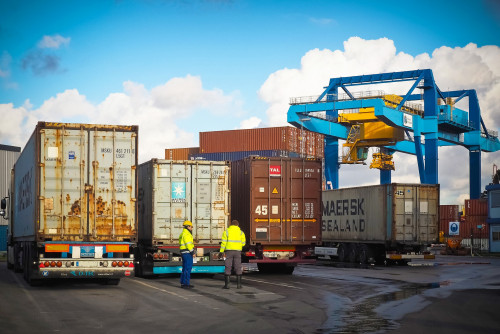
German exports increased 2.2% month-on-month, to €111.7 billion, but were still down 4.7% in February 2020.
Imports jumped 4.7%, with the country's trade surplus falling to €16.4 billion, seasonally adjusted.
Exports by region are contrasted, with exports to China growing by 14% year-on-year, while they fell by 3% to the United States, which continued to be hit hard by the effects of Covid-19.
Exports to the EU in November were down 1.7% year-on-year, while a 6.6% increase was recorded with Britain, indicating stockpiling ahead of Brexit.
Andrew Kenningham at Capital Economics said the figures show the German economy “almost certainly expanded in the fourth quarter”, with manufacturers having “withstood the restrictions imposed in November much better than many feared”.
However, with measures tightened in December to close non-essential shops and citizens urged to stay home, Kenningham cautions that the economy “will contract in the first quarter of 2021 as the lockdown is unlikely to be eased until the spring.” – AFP, January 10, 2021