LONDON – Emergency pandemic support measures sent United Kingdom annual borrowing rocketing to the highest level since World War II, official data showed today.
Public sector net borrowing – the state’s preferred measure of the deficit – ballooned to £303.1 billion (RM1.7 trillion) in the financial year to March, said the National Statistics Office (ONS) in a statement.
That is equivalent to 14.5% of gross domestic product – the highest proportion since 1946, when it stood at 15.2%.
Borrowing skyrocketed in the 2020/21 financial year as the UK government rushed to cushion the economic blow from Covid-19.
And, it contrasted sharply with borrowing of just £57.1 billion in 2019/20.
“The coronavirus pandemic has had a substantial impact on the economy, and subsequently, on public sector borrowing and debt,” said ONS.
In March alone, borrowing hit £28 billion as taxation receipts and national insurance contributions tumbled.
Total state debt now stands at £2.141 trillion, or 97.7% of GDP – the biggest proportion since the early 1960s.
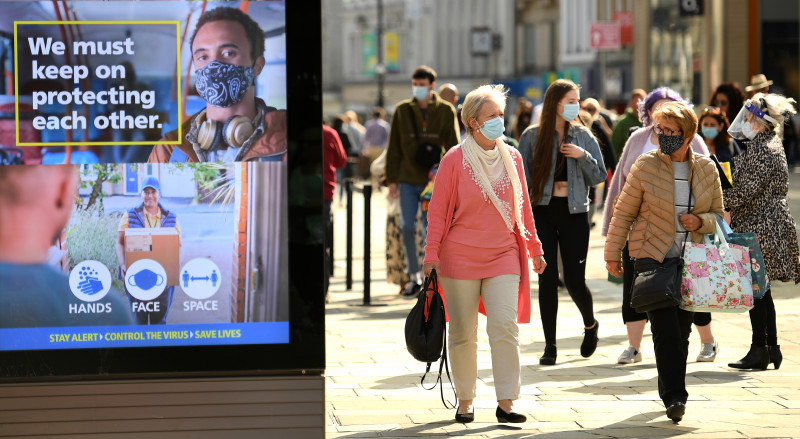
Britain is one of the hardest-hit countries in the world by Covid-19, with a death toll of 127,345.
Prime Minister Boris Johnson’s government has spent £352 billion in emergency measures, particularly for a furlough scheme that has paid the lion’s share of private sector wages for millions of Britons.
His Conservative administration is targeting a phased reopening on the back of a successful vaccine drive, with non-essential retailers reopening for business last week. – AFP, April 23, 2021