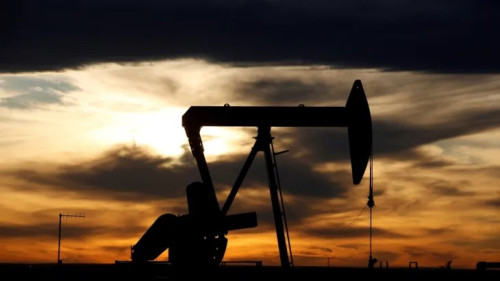
LONDON – The Organisation of the Petroleum Exporting Countries (Opec) and its allies look set to boost production further when they meet today, as Covid-19 pandemic-hit demand for crude recovers.
The Opec+ alliance, comprising 23 countries, implemented sharp output cuts to support prices after the coronavirus crushed the global economy last year.
But since early last month, the cartel has started implementing more generous production increases as oil prices recover and the health situation improves in developed economies.
Currently, the production road map for its members consists of a series of increases between May and July, adding up to some 1.2 million barrels per day (bpd).
On the agenda at today’s meeting will be whether this can be extended into August.
“Opec+ currently finds itself in a very favourable situation,” said Eugen Weinberg of Commerzbank.
Among the grouping’s allies, Russia has been pushing for faster rises in output, but traditional Opec kingpin Saudi Arabia supports a much more cautious note, pointing to the surge in coronavirus infections in parts of Asia.
“As always, the key flashpoint is likely to be tensions between Russia and Saudi Arabia,” said Matthew Weller, global head of market research at Forex.com.
Vicious Indian third wave
“Russia will undoubtedly push for a more rapid increase in production to support its economy, whereas Saudi Arabia is expected to favour the more conservative path agreed upon last month,” said Weller.
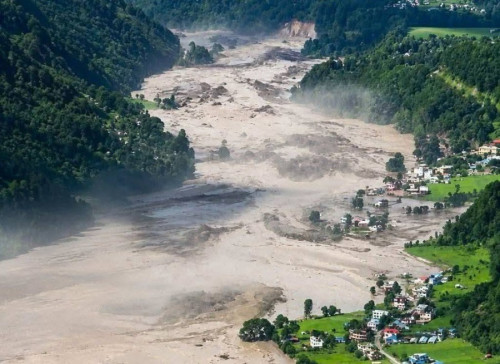
Riyadh could point to how markets have been shaken by a vicious third wave of the virus that has swept through India, the world’s third-biggest consumer of crude after the United States and China.
Several other Asian countries have also had to adopt virus-related restrictions, representing a brake on demand.
Opec has remained optimistic in its predictions for 2021, expecting demand to reach 96.5 million bpd, an increase of six million on 2020 levels.
This, combined with its previous policy of production restraints, means analysts expect the market to tighten sufficiently by August for demand to start outstripping supply.
This has been reflected in recent movements in crude prices, which have climbed back to pre-pandemic levels.
Iranian enigma
Aside from demand, another factor that Opec and its allies must take into account are the actions of other oil-rich states, such as the world’s No. 1 producer the US.
Changes among the alliance’s members themselves will no doubt also be on the agenda.
After facilities in war-torn Libya began producing again from the end of last year, eventually adding a million bpd to the market, all eyes will be on Iran.
If negotiations in Vienna on the full revival of the 2015 nuclear deal are successful, it could lead to many economic sanctions on the Islamic republic being lifted, including the US embargo on Iranian oil exports.
If Iran is able to get back to its level of exports three years ago – when then US president Donald Trump withdrew from the nuclear deal and reimposed sanctions – it could mean an extra 1.5 million bpd entering the market. – AFP, June 1, 2021