BEIJING – China’s consumer inflation eased on the back of falling pork prices last month, revealed official data today, although factory gate costs remained elevated after a recent surge in commodity prices.
The world’s second largest economy has largely bounced back from the coronavirus hit, and factory gate inflation began to ease last month after surging at the highest rate in more than a decade earlier in the year, as commodity prices spiked.
Factories, so far, appear to be absorbing the costs rather than passing them on to consumers, and analysts expect Beijing to protect shoppers from rising costs.
China’s consumer price index (CPI), a key gauge of retail inflation, rose 1.1% on-year in June – lower than analysts expected, and down from the previous month.
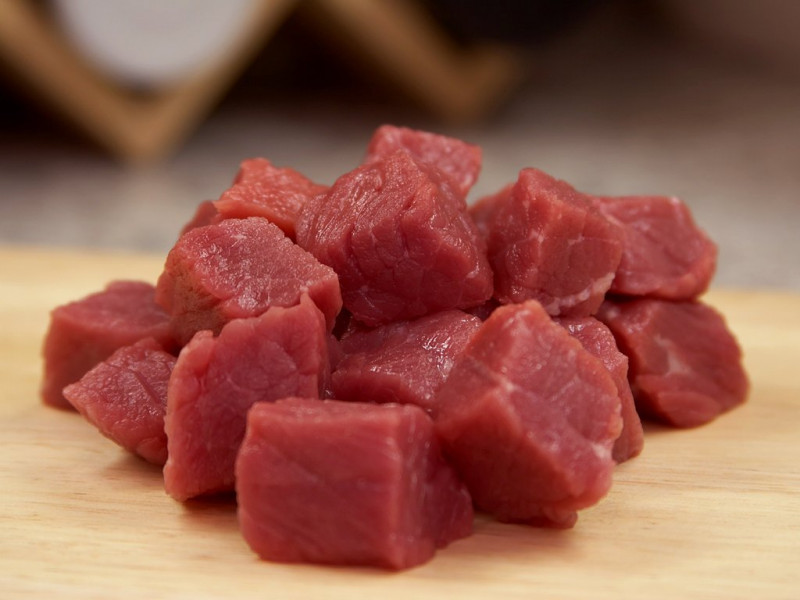
The low CPI inflation is “to a large extent driven by slumping pork prices”, noted Nomura chief China economist Lu Ting.
China’s CPI has been driven up by pork prices in recent years after an African swine fever outbreak ravaged stocks.
The prices have now dropped 36.5% from the spike last year, according to the National Bureau of Statistics (NBS), helped by a recovery in live pig production and seasonally weak consumer demand.
The government has a target to keep consumer inflation below 3% this year.
The producer price index, which measures the cost of goods at the factory gate, rose 8.8% on-year – edging down from the 9.0% surge in May.
“In June, preliminary effects of policies to stabilise the supply and cost of commodities can be seen... and the rise in prices of industrial products has slowed,” said Dong Lijuan, senior statistician at NBS.
Lu said he expects Beijing to ease some of its carbon emission and production safety rules to boost the production of some raw materials, and remain “strategically focused on boosting the manufacturing sector”. – AFP, July 9, 2021