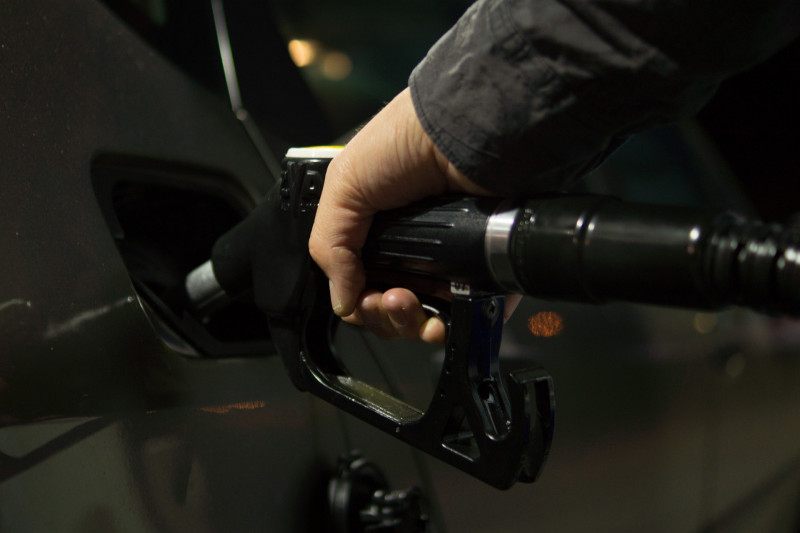
BEIRUT – Lebanese fuel prices soared by up to 70% yesterday after yet another subsidy cut, official figures showed, heaping more pressure on people struggling to make ends meet in the cash-strapped country.
The cost of hydrocarbons in Lebanon has roughly tripled in the two months since the central bank started decreasing its support for imports.
The latest cut, which is expected to cause price hikes for other key commodities, hits a Mediterranean country mired in one of the world’s worst economic crises since the 1850s.
Dire shortages have seen residents struggling to find enough fuel to drive to work or power back-up generators during near around-the-clock electricity cuts.
Motorists have become caught up in long lines outside the petrol stations that have remained open.
The refusal of many such stations to sell what they do have saw the army deployed this month to seize hoarded fuel and distribute it to the needy.
Frustrations have boiled over in recent weeks, with scuffles repeatedly breaking out over scarce fuel, leaving at least three people dead.
Last weekend, the explosion of a fuel tank in the north of the country killed at least 30 people.
The cost of 98- and 95-octane petrol both rose yesterday by around two-thirds from August 11, according to prices posted by the National News Agency.
The cost of mazout, a widely used petrol derivative, soared by 73% in the same period, while cooking gas is up by half.
All three fuels have tripled in cost since June.
The head of powerful Shia movement Hezbollah yesterday promised that deliveries of Iranian fuel will arrive “in the days to come” to help solve the beleaguered country’s dire shortages.
Following up on a similar announcement on Thursday, Hassan Nasrallah said a first Iranian ship loaded with fuel is “at sea”.
“A second ship will set sail in the next few days, and it will be followed by others,” he said, pledging that the fuel will be “to help all Lebanese”, and not just his movement’s supporters or Shias.
He also dismissed as “illusions” a reported United States-backed initiative to ease Lebanon’s energy crisis.
The latest price hikes come with more than three-quarters of the population now living in poverty.
Most people in Lebanon earn wages in the local currency, the Lebanese pound, which has lost more than 90% of its value against the US dollar on the black market since 2019.
The central bank on Saturday agreed to support fuel imports at an exchange rate of 8,000 pounds (RM22.42) to the dollar, up from a rate of 3,900 to the greenback set during a first de facto subsidy decrease in June.
Before that, the Bank of Lebanon provided importers with the foreign currency at the official rate of around 1,500 to the dollar.
The lender earlier this month said it can no longer afford to provide importers with dollars at any preferential rate, but leaders on Saturday reached a compromise of 8,000. – AFP, August 23, 2021