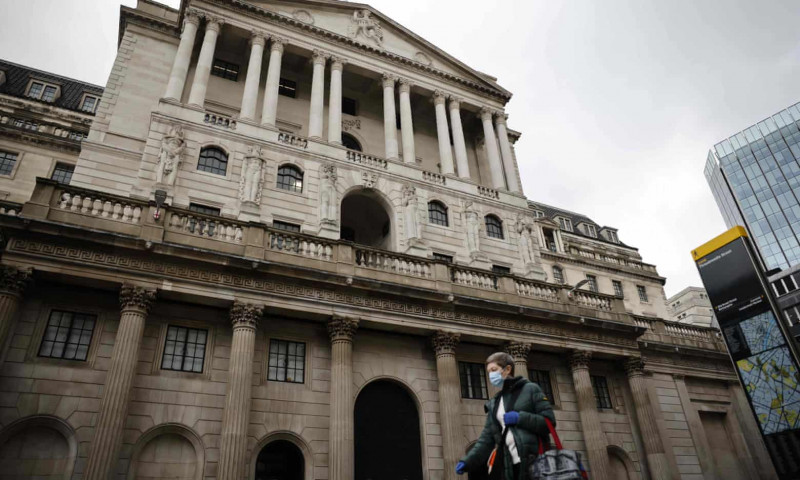
LONDON – The Bank of England (BoE) is expected to stay the course on interest rates and stimulus today, despite soaring inflation and fears of runaway domestic energy costs.
The British central bank’s monetary policy committee is likely to keep its key rate at a record low of 0.1%.
Annual inflation surged in August to a nine-year high of 3.2% after the pandemic-hit economy reopened.
Policymakers will be mindful of Britain’s flat recovery, and the impact of the end of the government’s furlough jobs support scheme next week.
The recovery slowed sharply in July, as rising coronavirus cases and supply shortages offset a further lifting of lockdown restrictions.
“Recent downside news on economic activity will counterbalance the upside news on inflation,” said Pantheon Macro analyst Samuel Tombs, predicting no change in policy from BoE.
BoE has warned that inflation can soon strike 4%, double its target, impacted by a global supply crunch that was sparked by the pandemic.
Yet, it argued that high inflation will be temporary, echoing the United States Federal Reserve and the European Central Bank.
Wholesale gas prices, however, have soared this week to a record high, sparking fears of rocketing energy bills as demand peaks during the cold northern hemisphere winter.
The United Kingdom economy rebounded 4.8% in the second quarter but grew by an anaemic 0.1% in July.
Yesterday, the Fed said while increasing Covid-19 cases have slowed the US economic recovery, it may be ready to “soon” start removing stimulus.
The economy has healed to the point that BoE may slow the pace of its massive monthly bond purchases “if progress continues broadly as expected”, the policy-setting Federal Open Market Committee said in a statement after concluding its two-day meeting.
Gloomy news
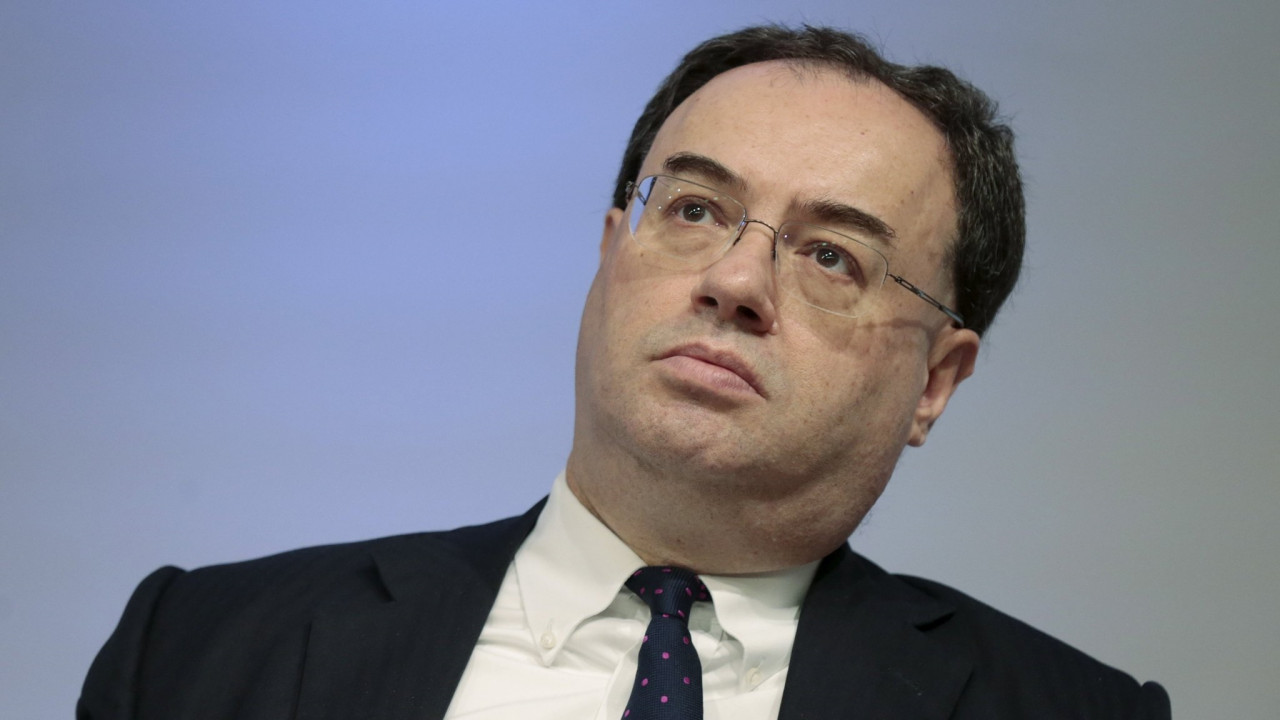
BoE Governor Andrew Bailey believes that recovery is flattening as a result of the pandemic and global supply-chain bottlenecks.
“BoE is getting closer to raising interest rates, but the gloomy tone of the recent news on the global and UK economies will have reduced the pressure to tighten policy,” said Capital Economics analyst Ruth Gregory.
“So, a rate rise this month does not seem likely.”
The decision today also comes as global central banks mull whether they should unwind massive stimulus measures as economies recover.
BoE’s cash stimulus pumping around the UK economy amounts to nearly £900 billion (RM5.136 trillion).
The inflation outlook was compounded this week by soaring energy costs that prompted a shortage of carbon dioxide, which is vital for the food industry.
The CO2 shortage triggered warnings of further pressure on food supplies and prices.
The food sector has already been hit hard by insufficient numbers of lorry drivers. – AFP, September 23, 2021