Business

Oil slips over demand woes as China grapples with Covid-19 protests

Market uncertainties seen in price forecasts, citing extra Russian supply impacts

Updated 3 years ago · Published on 28 Nov 2022 6:51PM

Oil slips over demand woes as China grapples with Covid-19 protests
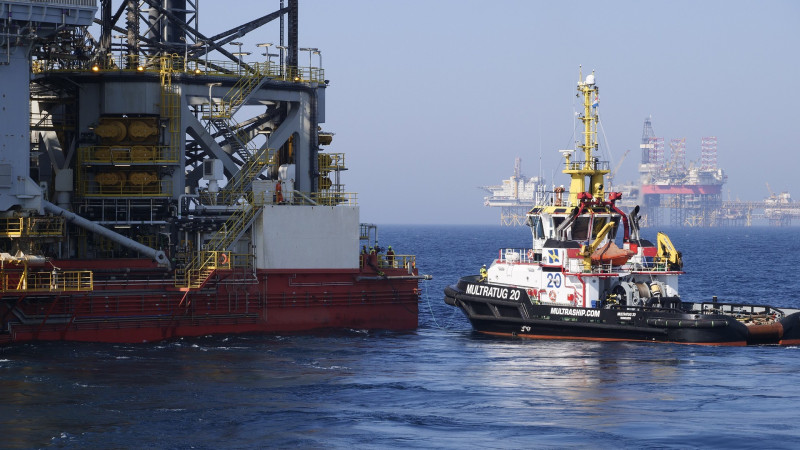
In early Asian trade, Brent fell to its lowest level since January 12 at US$81.11, while WTI dropped to an 11-month low of US$73.84. – Pixabay pic, November 28, 2022

ANKARA – Oil prices lost almost US$2 (RM8.96) a barrel on Monday as ongoing China Covid-19 restrictions and protests in several cities fuelled demand concerns in the top oil importing country, reported Anadolu.

International benchmark Brent crude traded at US$81.33 per barrel at 0720 GMT, down 2.84% from the closing price of US$83.71 a barrel in the previous trading session.

American benchmark West Texas Intermediate (WTI) traded at US$74.22 per barrel at the same time, a 2.7% loss after the previous session closed at US$76.28 a barrel.

Prices began the week on a bearish note, fuelled by ongoing Covid-19 restrictions in China and concerns about weak demand in the world’s largest oil importing country.

Local media reported protests in several cities late on Saturday against China’s strict coronavirus pandemic policy.

In early Asian trade, Brent fell to its lowest level since January 12 at US$81.11, while WTI dropped to an 11-month low of US$73.84.

Uncertainties in the oil markets are reflected on the oil price forecasts, with Morgan Stanley, a US-based international investment and banking firm, raising its oil price forecast last week for 2023 from US$100 to US$105. The main factors cited were additional Russian supply impacts beginning in May and fading prospects for the Iran deal.

Investors are now anticipating the OPEC+ meeting on December 4, when producers are expected to decide on production for January, and the EU ban on Russian oil exports on December 5.

Although the EU failed to reach a deal to cap prices for Russian seaborne oil, the bloc is set to ban Russian oil starting from December 5 and oil products on February 5.

The G-7 countries are also planning to impose a cap of US$65–US$70 a barrel on Russian seaborne oil. – Bernama, November 28, 2022


Related News

Malaysia / 5d

Malaysia's oil supply still sufficient - Amir Hamzah

Malaysia / 1mth

Malaysia consumes 700,000 barrels of oil per day, double the daily production - MOF

Malaysia / 2mth

Oil price issue; PM explains

Malaysia / 2mth

Sabah claim frequently used as political polemic in Philippines - Hajiji

Malaysia / 3mth

Asian airlines raise ticket prices, consider groundings as fuel prices surge

Malaysia / 3mth

RON95 remains at RM1.99 per litre though world oil prices exceed US$100 per barrel – Anwar

Spotlight

Malaysia

Bersatu-PH tie-up a possibility as coalition seeks Malay support, analyst says

By Alfian Z.M. Tahir

Malaysia

Woman molested on her way home from work (video)

Malaysia

Court allows Daim's daughter to permanently keep passport

Malaysia

Santiago pokes holes in data centre hype, asks: Who really benefits?

By Alfian Z.M. Tahir

Malaysia

Jeweller vows to pursue Rosmah until ‘every penny’ is recovered as RM67.5m battle enters enforcement phase

Malaysia

Ambulance carrying two injured men crashes en route to hospital after MPV collision in Besut

Malaysia

Man blames 'lack of love' for sexual assault on teens

Business

BNM's OPR to stay at 2.75 pcent in 2026 amid strong domestic demand - Kenanga IB

Malaysia

Missing jewellery: Rosmah ordered to pay RM67.5 million

You may be interested

Business

BNM's OPR to stay at 2.75 pcent in 2026 amid strong domestic demand - Kenanga IB

Business

Unemployment rate rises to 3.0 per cent in April 2026 - DOSM

Business

Open fibre sues Bank Pembangunan, six others in RM2b claim over Aries telecoms liquidation

Business

AI should support human thinking, not replace it - MDEC CEO

Business

Ringgit holds firm against major currencies as markets await key US inflation data

Business

Ringgit holds firm despite US inflation shock as markets brace for Federal Reserve decision