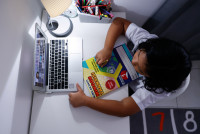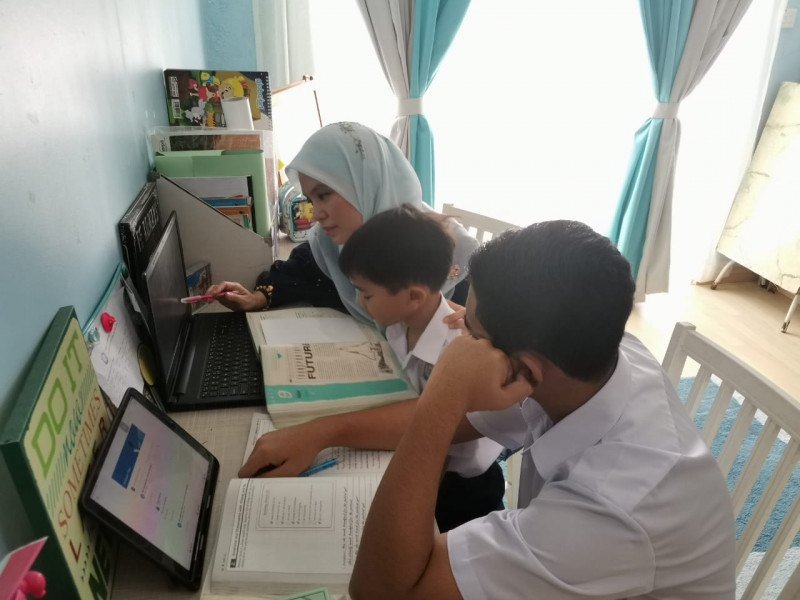

KUALA LUMPUR – More creativity in teaching methods, more reliable data coverage, and wider availability of affordable computers – these are among the things students and parents, especially those impoverished or located in rural isolated areas, urgently need as the government extends online learning across the country in view of the unrelenting Covid-19 pandemic.
After months of seeing schools and tertiary institutions closed, they are being sorely missed as never before. The general sentiment is that they are irreplaceable – however innovative the digital mechanisms may be.
Both educators and students want social interaction, face-to-face communication and easy reach to facilities that are part and parcel of the physical schooling experience.
Earlier this month, the Education Ministry announced that schools will continue home-based teaching and learning until August 31. The decision was made in view of high Covid-19 numbers and with advice from the Health Ministry and National Security Council.
Physical classes will resume in stages from September 1. The government also said it hopes to ramp up vaccination rates for teachers and administrators.
Currently, more than 250,000 teachers, or some 61% of the country’s teaching force have been inoculated, and some 11,000 administrators, constituting about 47% of such personnel in the education sector, have received one dose of the vaccine.
Md Fakaruddin bin Ab Rahman, a committee member of Sekolah Dato’ Abdul Razak’s parent-teacher association (PTA) and a father of two young children, said: “PdPR (remote learning) is the new way of education. We (parents) all need to prepare for this.
“But the solution to the problem arising is that the government should provide gadgets or ensure these gadgets such as laptops and iPads are tax-free, so prices will be cheaper and more affordable for parents, especially those in the poorer groups,” said Fakaruddin.
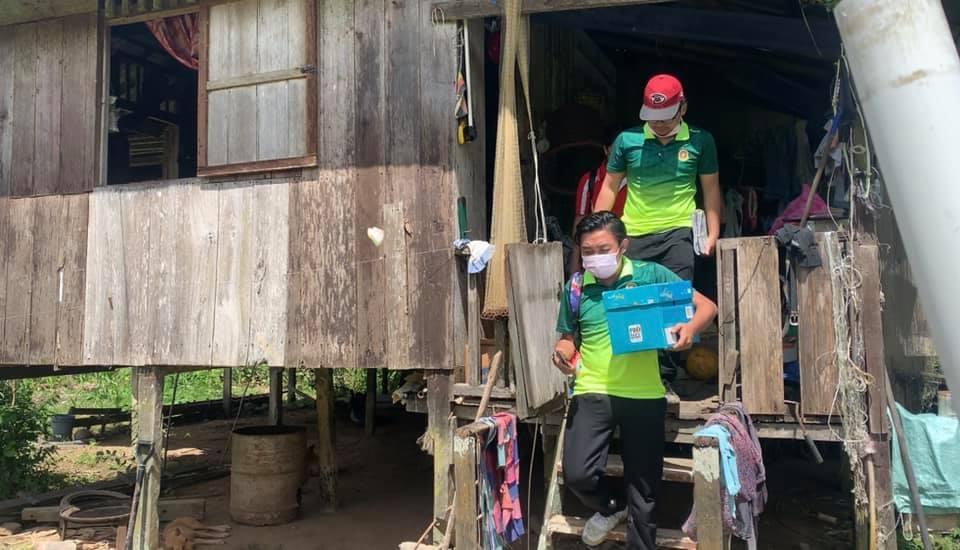
“I believe the government should provide internet coverage to all places in Malaysia at lower rates, especially the remote areas, where villagers are poorer,” he added.
Fakaruddin also said he believes there should be more publicity to parents and students on the benefits of being internet-savvy and how it is the way of the future.
“Parents need to be well-equipped and prepared to guide their children. The ministry should spend time and effort on better preparing teachers on interactive applications and virtual learning software,” said Fakaruddin.
He has encouraged all this at his PTA meetings with good results. Teachers, he added, will benefit from creativity in their teaching modules.
Businessman Datuk Dr Rajen Manicka, who has two children attending a private school, feels school and education is all about social interaction at all levels apart from learning.
He said online teaching is focused rigidly on the curriculum, which relates only to one’s intelligence quotient, while neglecting overall development, including the child’s emotional quotient.
“This is a very bad compromise. We need to look at a model of online learning that combines both online and offline educational development.
“Our kids are suffering from boredom and burnout,” added Rajen, whose two young children love activity-based learning. For example, they enjoy the game Monopoly, through which they can learn some basics of money and finance.
Online classes ‘boring and sterile’
The situation is even more pressing at rural schools and those in the interior. Most of those The Vibes spoke to from such areas yearn for schools and universities to be opened soon.
Samuel Isaiah, also known as “Cikgu Sam” to his students and a Top 10 finalist of the Global Teacher Prize 2020, used to teach Orang Asli children, and is now pursuing further studies on scholarship.
“Rural and remote students have especially become the victims of learning loss the past year and a half,” he said.
“The lack of accessibility, connectivity, and infrastructure are the main culprits, making online learning difficult in these locations. Therefore, students in these areas are not only the most deprived but also the ones who need it the most, “ said Samuel.
“Hence, by September, if vaccinations go as planned and cases decline, these schools should be fully operational in adherence to the new norms, and with assistance of proactive measures by the ministry”, added Samuel.

Tertiary student Aaron Aban from Sandakan stopped his music studies at Universiti Malaysia Sabah because he found the online classes boring and sterile.
“Music is interactive and needs face-to-face learning and I could not cope after a while.
“I have requested the university to give me an extension in time so I can rejoin classes when they start face-to-face classes,” said Aban.
Most of his classmates face the same problem of low connectivity and difficulty coping with online classes.
Harry Tan, secretary of the National Union of Teaching Profession, said: “We welcome the opening of schools as this is what many parents and teachers are clamouring for, if the vaccination programme is a success. If teachers are left out, they must inform their school administrators as soon as possible.
“As teachers, we want all our students to go back to school, especially those without internet connectivity the whole time they are away from school.
“This is also to ensure that our students grow up in a holistic education environment, socialising, discussing, following instructions, toeing the disciplinary rules, and doing everything else needed,” said Tan. – The Vibes, July 23, 2021