NOT all tobacco growers in the country are cultivating the plant for smokers, said the outgoing National Kenaf and Tobacco Board (LKTN) board chairman Datuk Wan Abdul Rahim Wan Abdullah.
Some smallholders are growing tobacco as a base for food ingredients and sold largely as a product within the village's macro economy rather than for commercial use, said Wan Rahim, affectionately called Cikgu Rahim.
Cikgu Rahim formally vacated his post as the LTKN recently after two stints as the chairman of the statutory body, which is entrusted to convince tobacco growers to grow the sustainable-friendly kenaf plant.
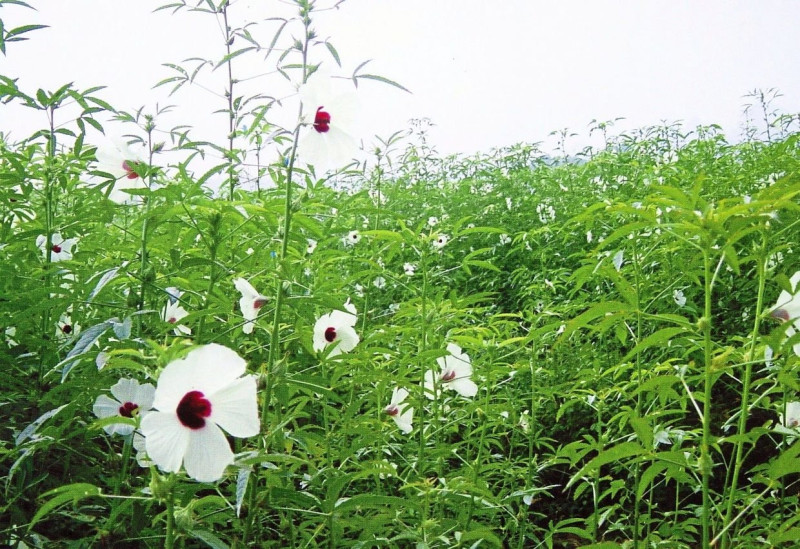
Kenaf, or scientifically known as Hibiscus Cannabinus L., is a type of non-woody fibre plant and is a short-term crop.
Kenaf belongs to the family Malvaceae and is under the genus Hibiscus, which has similarities with okra and also cotton plants.
This plant is also widely cultivated in China, Myanmar, and Indonesia, while a sister species is also mass grown in India and Bangladesh under the name of jute.
But the challenge is rather huge, as the take up rate for kenaf is relatively low, but the campaign to promote its benefits and commercial value continues, said Cikgu Rahim.
As for tobacco smallholders, the former Kelantan Legislative Assembly Speaker, said that as long as they are cultivating mostly for themselves, it should be condoned.
.jpeg)
Under the World Health Organisation, tobacco is considered a threat to public health.
There are some villages in Kelantan, which can also attain the Unesco status for the heritage outstanding universal values, as the growing of tobacco has continued for up to three generations, especially for food and medicinal value, said Cikgu Rahim.
He hopes that the health authorities can consider this aspect when they inspect the tobacco schemes in Kelantan.
As for kenaf, Cikgu Rahim expressed hope that LKTN can find new partners to increase the locating of land to cultivate more kenaf plantations or schemes.
The board has plans to expand to Sarawak and Sabah since there are large tracts of land in East Malaysia, and the tropical climate is similar to Kelantan, Kedah and Perlis, where it is grown best.
In Langkawi, the development authority (LADA) has expressed a keenest to help LKTN to grow the plant, as especially when it flowers, it is a sight to behold.
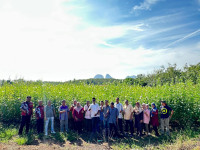
At the LKTN managed kenaf estate in Chuping, Perlis, the huge tract of kenaf flowers, has turned the plantation into a tourism attraction. - May 30, 2025.


.jpg)