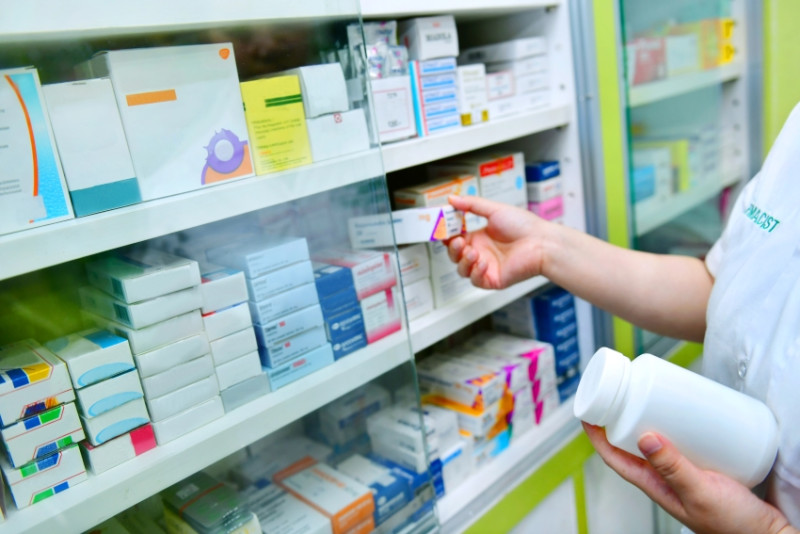
PRIVATE pharmacies across Malaysia are recording a steady rise in medicine prices, though industry representatives insist the increases remain within typical annual adjustments rather than the sharper spikes highlighted by government officials.
The Malaysian Community Pharmacy Guild said recent price revisions have generally ranged between five and ten per cent, attributing the upward trend to higher manufacturer prices, currency volatility and mounting logistics costs.
“We are indeed seeing an upward trend in medicine prices in private pharmacies, but it is not a 30-40% increase as claimed.
“Price adjustments have largely hovered between 5% and 10%,” The Star reported guild president Sarah Abdullah saying.
She noted that the increases are most pronounced in imported and original branded medicines, while more affordable generic alternatives remain available to consumers.
“However, there are generic options that are more affordable,” she added.
Beyond pharmaceuticals, other healthcare essentials, including nutritional supplements and milk powders, have also been affected by rising costs, reflecting broader inflationary pressures across the supply chain.
Pharmacies are typically informed of price changes about a month in advance, allowing time to manage inventory and guide patients on purchasing decisions.
“We want to reassure patients that medicines remain available. We advise the public not to engage in panic buying or overstocking, as this can create unnecessary pressure on the supply chain,” she said.
The reassurances come after the Health Minister, Datuk Seri Dr Dzulkefly Ahmad, acknowledged more significant price increases in certain segments, linking them to global cost drivers, particularly oil prices, which have surged during the ongoing conflict in the Middle East.
“As a result, the cost of medicines has risen. The increase is estimated to be around 30-40% in certain cases, and possibly higher for specific medical devices,” he said.
He added that pricing pressures began to intensify as early as March, shortly after the conflict erupted on 28 February.
“There has been an increase of around 50% to 100% for certain devices,” Dzulkefly said, noting that the ministry has deferred some procurement in response.
To mitigate supply disruptions, the government has activated the Special Access Pathway to accelerate the registration of medical devices during the current period of strain.
“This approach is just an interim measure to deal with shortages and crisis situations,” he said, adding that there would be no compromise on the safety and quality of approved devices. - April 14, 2026