AS at each year-end, Withings – the health ecosystem of connected devices & apps – has collated data from over five million users worldwide to determine the consequences the global public health crisis and the measures put in place to curb it have had on our weight, our activity levels and our sleep.
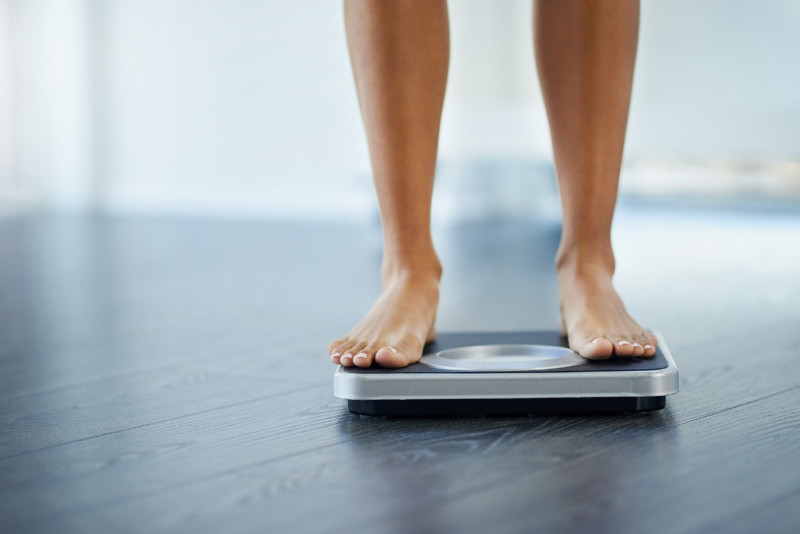
Weight gain was a key concern for many during the first lockdowns of spring 2020, particularly with the reduction in daily activity caused by home working – not to mention the comfort food that went hand in hand with this period. However, more French people gained weight during the holiday season (2 kg on average between Christmas and New Year) than when they were locked down at home, the study reveals.
But repeated lockdowns and ongoing restrictions have inevitably had consequences on users' weight.
Compared to 2019, the percentage of people who succeeded in stabilizing their weight in 2020 fell in most countries: -5% in Finland, -2% in Germany, -7% in China and -9% in France. People in Italy proved the exception, as the only ones who managed to stabilize their weight during the same period (2% more than in 2019).
Home working makes for extra minutes of sleep
On the whole, 2020 and its various restrictions led to an increase in sleep time worldwide with an average gain of 10 minutes per night. Hungarians were the biggest winners, with 27 extra minutes per night. People in China, however, only gained three extra minutes' sleep.
These figures can probably be explained by the mass switch to home working, cutting commutes and making getting-up and going-to-bed times more flexible.
More surprising, sleep quality also appears to have improved, with sleep scores in the "high" range up 5% between 2019 and 2020, despite the stressful context of the pandemic.
In spite of marked differences, people's number of steps fell in all countries in 2020 (-10% on average). However, walking schedules inevitably differed from one country to the next, in relation to the degree of severity of the restrictions put in place by governments.
In China, for example, people walked 20% less, on average, compared to 2019. The drop in activity is less marked in Scandinavian countries, where restrictions on movement were less drastic (-3% in Sweden and Norway, -2% in Denmark). – ETX Studio, January 27, 2021