


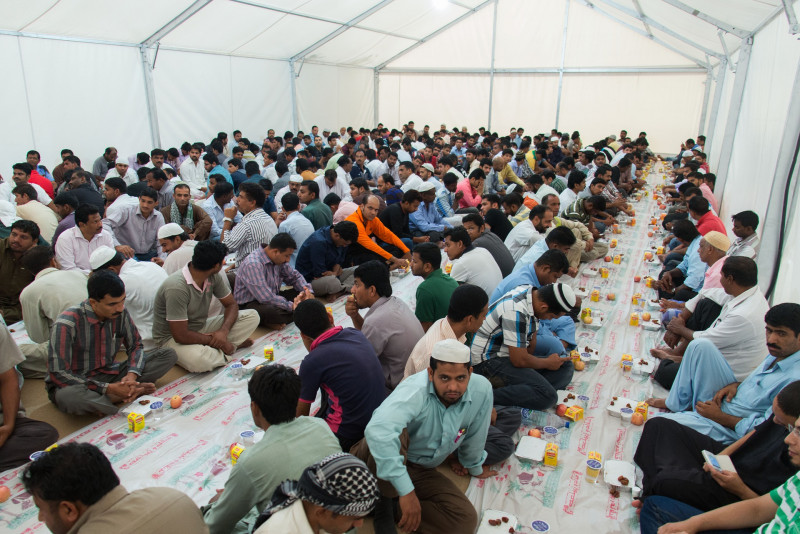

IN Malaysia, an estimated 61% of the population practice Islam as their religion. One of the five pillars of Islam is to fulfill the annual fasting during the holy month of Ramadan.
Moderation is Key
Islam emphasizes moderation in every aspect of life and it is essential that this concept be applied to food intake as well.
This concept is emphasized in the Quran where Allah says, “Eat and drink: but waste not by excess, for Allah loves not the wasters.” (Surat Al-A’raf: 7:31).
Ramadan is an opportunity to re-evaluate one’s relationship with food. It allows one to realize that they can get by without eating for several hours and that their bodies are capable of functioning on a moderate amount of consumption.
The most common complaints during Ramadan include constipation, indigestion and headaches. A balanced meal during both Sahur and Iftar is vital to not experience any of these.
- During the month long fast of Ramadan, the metabolic rate of a fasting person slows down and other regulatory mechanisms start functioning.
- As the Ramadan fast only extends from dawn until dusk, there is ample opportunity to replenish energy stores at pre-dawn and dusk meals. This provides a progressive and gentle transition from glucose to fat as the main source of energy, thereby preventing the breakdown of muscle for protein. Body and dietary fat is efficiently utilised.
- To prevent muscle breakdown, meals must contain adequate levels of ‘energy food’, such as carbohydrates and some fat. Hence, a balanced diet with adequate quantities of nutrients, salts and water is vital. Balanced food and fluid intake is important between fasts.
- Consuming total food that is less than the total food intake during normal days is sufficient to maintain a person’s health. There is no need to consume excess food.
- A balanced diet improves blood cholesterol profile, reduces gastric acidity, prevents constipation and other digestive problems and improves blood sugar control.
- Health problems can emerge as a result of excess food intake, foods that make the diet unbalanced and insufficient sleep.
- Pregnant/lactating mothers, diabetics or individuals with heart/kidney problems or suffering from other chronic illnesses must consult their medical physicians/doctors for suitable type/dosage of medicine i.e. adjustments and risks or precautions taken during the month.
Benefits of Ramadan
- The effective way of losing weight is slow, self-controlled and gradual weight loss, which can be achieved by modifying our behaviour and changing our attitude about eating, especially by eliminating excess food.
- Ramadan is a month of self-regulation and self-training in terms of food intake, thereby causing hopefully gradually weight loss.
- Additional prayers are prescribed after buka puasa, which help metabolize the food. Terawih (special night prayer of Ramadan) as well as 5 daily prescribed prayers, use all the muscle and joints, and can be considered a mild form of exercise.
- Ramadan is an exercise of self-discipline. For those who are chain smokers or nibble high fat/sugar food constantly or drink tea/coffee every hour, it is a good way to break the habit.
- Ramadan is known to show improvements in physical stamina, mental alertness and a feeling of inner peace and tranquility, which may improve blood pressure and/or blood sugar control.
Tips to prepare for fasting month
- Before and during Ramadan, gradually reduce caffeinated beverages. A sudden reduction in caffeine prompts headaches, mood swings and irritability.
- Avoid smoking cigarettes. If you cannot give up, cut down gradually a few weeks before or during Ramadan.
- Limit sugar containing food and drinks. Having too much sugar i.e. refined carbohydrates, especially during sahur will make the body produce too much insulin and cause the blood sugar to drop.
- To prevent indigestion and wind, avoid over-eating, too much fried/fatty/spicy foods and excess consumption of foods that produce wind e.g. cabbage, onion, lentils, eggs, carbonated drinks.
- To avoid muscle cramps, eat foods rich in calcium, magnesium and potassium e.g. vegetables, fruits(dates, banana), dairy products and lean meat.
- Exercise the lower limbs before Ramadhan so that people with joint pains/arthritis can be prepared for the additional strains.
Tips to meet nutrional requirements during fasting month
- Avoid skipping sahur (dawn meal). Sahur should consist of a balanced meal taken as late as possible just before imsak to avoid unnecessary prolonged fasting.
The Prophet Muhammad (PBUH) stressed the importance of having sahur so much that he told believers:
"Eat Sahur, even if [it was only] a gulp of water," [As narrated by Ans Ibn Malek, Al Khodary, Abd Allah Ibn Amr, and declared authentic by Al Albany]
The Prophet Muhammad (PBUH) said:
"The people will continue to prosper as long as they hasten to break the fast and delay the Suhoor." [As narrated by Al-Bukhari and declared authentic by Sahl ibn Sa’d As-Saa’idi.]
- Do not delay buka puasa (break fast). Limit intake of high-sugary food and drinks.
- In view of the long hours of fasting, we should consume foods rich in complex carbohydrates (slow digesting foods), especially high fibre options (wholegrain/wholemeal), e.g. brown rice, noodles, barley, oats, bread, capati, starchy vegetables (lentils, baked beans, potatoes), rather than refined carbohydrates/high sugar food and drinks (fast-digesting foods) e.g. sugar, white flour. The body’s immediate need at the time of sahur is to get an easily available energy source- in the form of glucose.
- At least 2-3 servings of meat/fish/poultry per day, choosing lean cuts of meat and without skin. This food group provides protein, iron, zinc, magnesium, B vitamins.
- At least 2 serving of vegetables and 3 serving of fruits per day. They provide antioxidants (ACE vitamins), folate, fibre, calcium, essential vitamins/minerals, iron.
- Fruits and fruit juice (no added sugar) are sufficient to bring low blood sugar levels to normal levels – ideal for buka puasa and sahur, to be taken with each main meal.
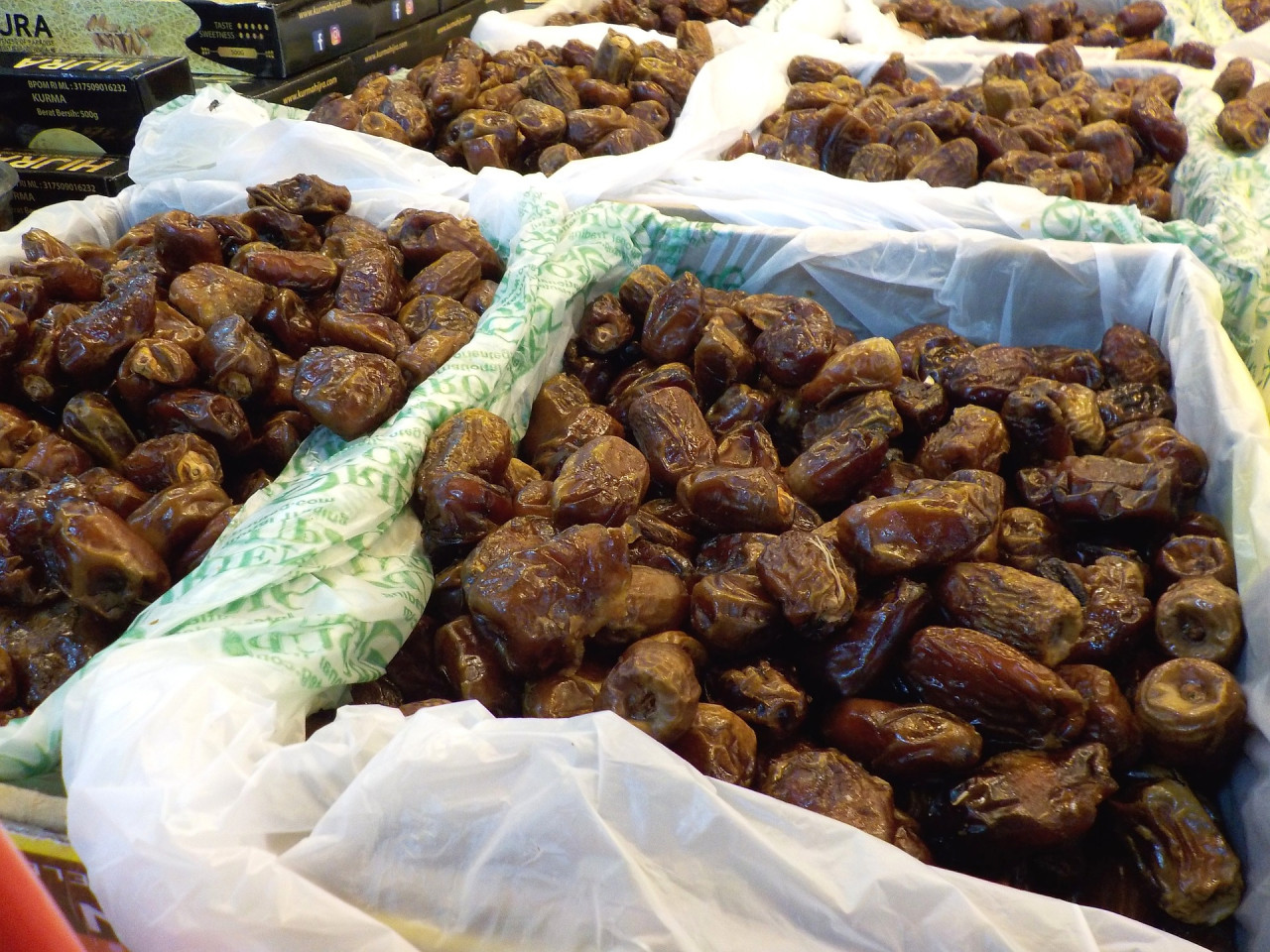
- Dates contain carbohydrate, fibre, iron, potassium, phosporus, vitamin C magnesium – ideal food which is easy to digest and within ½ hour, the tired body regains a renewed vigour. Breaking fast with dates (According to Sunnah) help one to avoid excessive eating.
- It is always better to break fast lightly by eating dates or drinking plain water, following the steps set by Rasulullah s.a.w.
"Whoever has dried dates, then let him break the fast with that, and whoever does not, then let him break the fast with water, for indeed water is purifying."
(Sunan At-Tirmizi)
"The Messenger of Allah would break the fast with fresh dates before performing Solat. If there were no fresh dates then (he would break the fast) with dried dates, and if there were no dried dates then he would take a few sips of water."
(Sunan Tirmizi)
- Banana is a good source of carbohydrate, potassium and magnesium.
- At least 1-2 servings of milk and milk products, low fat alternatives. These foods contain calcium, phosphorus, vitamins A&D and B vitamins
- Preferably select foods rich in fibre e.g. wholegrain bread and cereals (oats/barley,rye), fresh vegetables, fresh and dried fruits (apricots, figs, prunes), beans/pulses.
- Fibre rich foods trigger muscular action and binding bile acids, therefore help reduce gastric acidity and excess bile acids.
- Also helps lower blood cholesterol levels, prevents constipation, and helps control blood sugar levels.
- Especially if taken during sahur, it provides bulk and enables one to withstand hunger for longer periods.
- Drink sufficient fluids (aim for 8 glasses a day) between buka puasa and sahur to avoid dehydration and so that your body may adjust fluid levels in time. Choose low sugar drinks. Have a drink after each visit to the toilet to replace loss (after buka puasa until before imsak). You have to keep in mind that your body loses water and salts through sweat, urine and breathing. In addition to this, water loss depends on how physically active you are throughout the day. The weather can also affect your hydration status. Therefore, replenishing water losses between buka puasa and sahur is important in order to prevent common symptoms of dehydration: dizziness, fatigue, headaches, muscle cramps and disorientation.
- Soup (low fat), vegetable/fruit juice (no added sugar) maintain water and mineral balance in the body.
- Ensure that every meal/snack is taken with at least 1-2 glasses of water.
- Avoid caffeinated beverages e.g. tea, coffee, chocolate, cocoa, cola drinks, energy drinks, as they act like diuretics - making you pass urine taking with it valuable mineral salts your body would need during the day.
- Avoid/reduce smoking. Smoking negatively affects utilization of various vitamins (especially vitamin C), metabolites and enzyme in the body.
- Avoid foods high in fat/fried food or too spicy or processed foods – may cause indigestion, heart burn, weight problems, reflux, and reduce excretion of uric acid (in gout).
- A high concentration of salt (sodium) and a low volume of water will usually trigger thirst. Sodium is vital for fluid balance in our body since water goes where sodium goes. A high intake of sodium is usually excreted by the kidneys so water is also lost. A high salt intake will also affect people will high blood pressure problems so it is important to avoid foods that have a high salt content such as processed meats, canned products, pickles, sauces (eg soya, oyster), seasonings (stock cubes/pastes) and salted food (eg: salted fish/prawns, belacan).
- Dietary indiscretion during the non-fasting period (between iftar and sahur) with excessive gorging or compensatory consumption of sweetened and fatty foods contributes to the risk of weight gain and high blood sugars or high blood pressure etc..
- People tend to become more sedentary during Ramadan due to lack of energy during the day and being more caught up with social events throughout the evening. Working out at a time where your energy levels are high and rehydration is possible can guarantee a “good workout” where your performance is not affected. Therefore, 2-3 hours after Iftar can be an ideal time to exercise or engage in some sort of activity. Engaging in high intense sports/activities during the day is unadvisable as it could increase the risk of dehydration. If you do decide to work out while fasting, then about an hour before Iftar would be advisable as that gives you a short amount of time until you will have to rehydrate and replace water losses after exercise. Also, you will be able to replenish your energy stores and help with muscle recovery quicker.

- If you’re shopping at a Ramadan bazaar, do keep an eye out for healthier alternatives like kebab (ask for less mayo and sauce on the side), popiah basah, mihun soup and nasi campur or kerabu (which can be healthy if the right entree is chosen, like ikan bakar, jagung rebus/bakar, tahu bakar and ulam, or vegetable soup).
- Milk, dates, lamb/mutton and oats were among the Prophet’s (PBUH) dishes. The Quran also mentions fruits and veggies like olives, onions, cucumber, figs, dates, grapes, and lentils. Fish is also encouraged, as the Islamic law spares fish from any specific slaughter requirements, making it easy to incorporate fish in a meal. – The Vibes, April 11, 2021
Rozanna M Rosly is the Head of Dietetic Services Department (Clinical Dietician) at the UM Specialist Centre















.jpeg)
