
APRIL is indeed a month worth rejoicing over, more so for its spiritual feature as we welcome many religious observations this year.
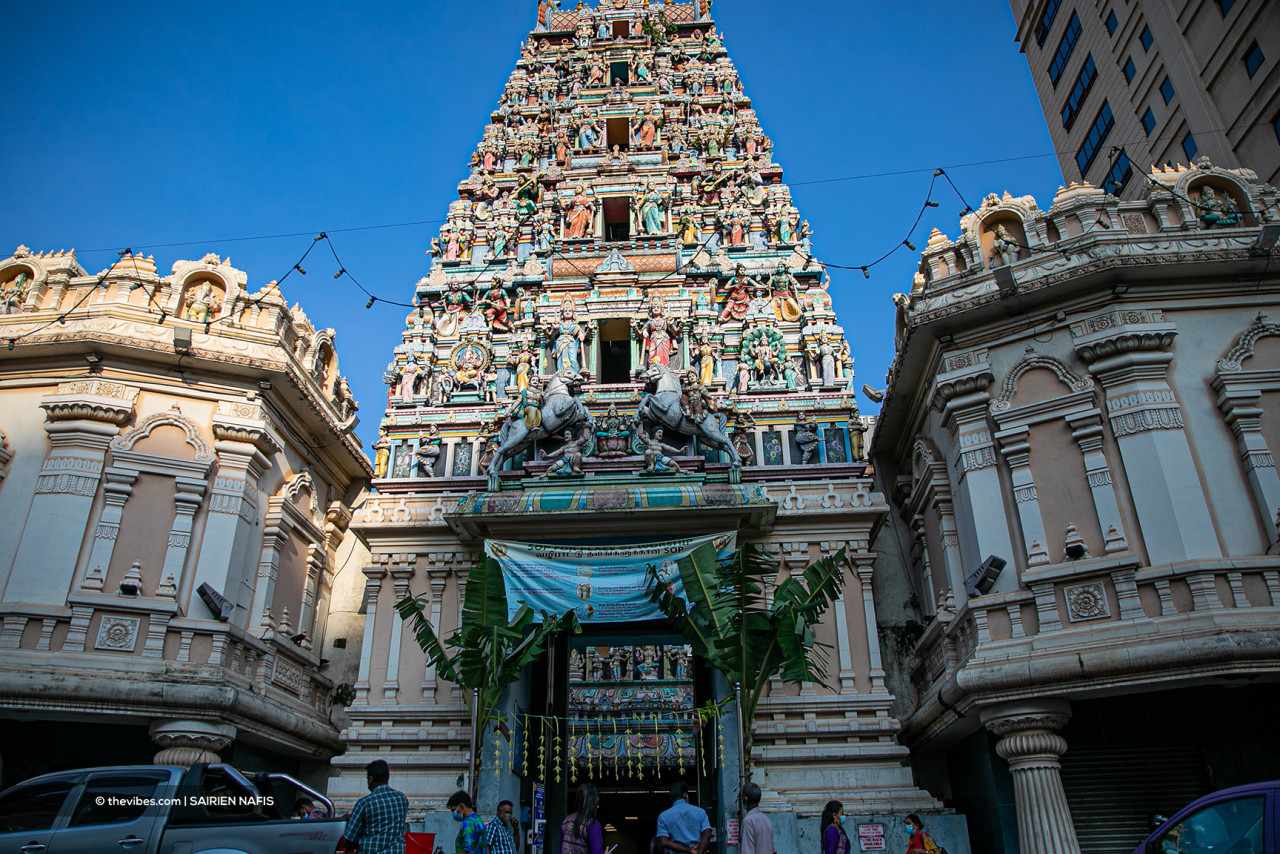
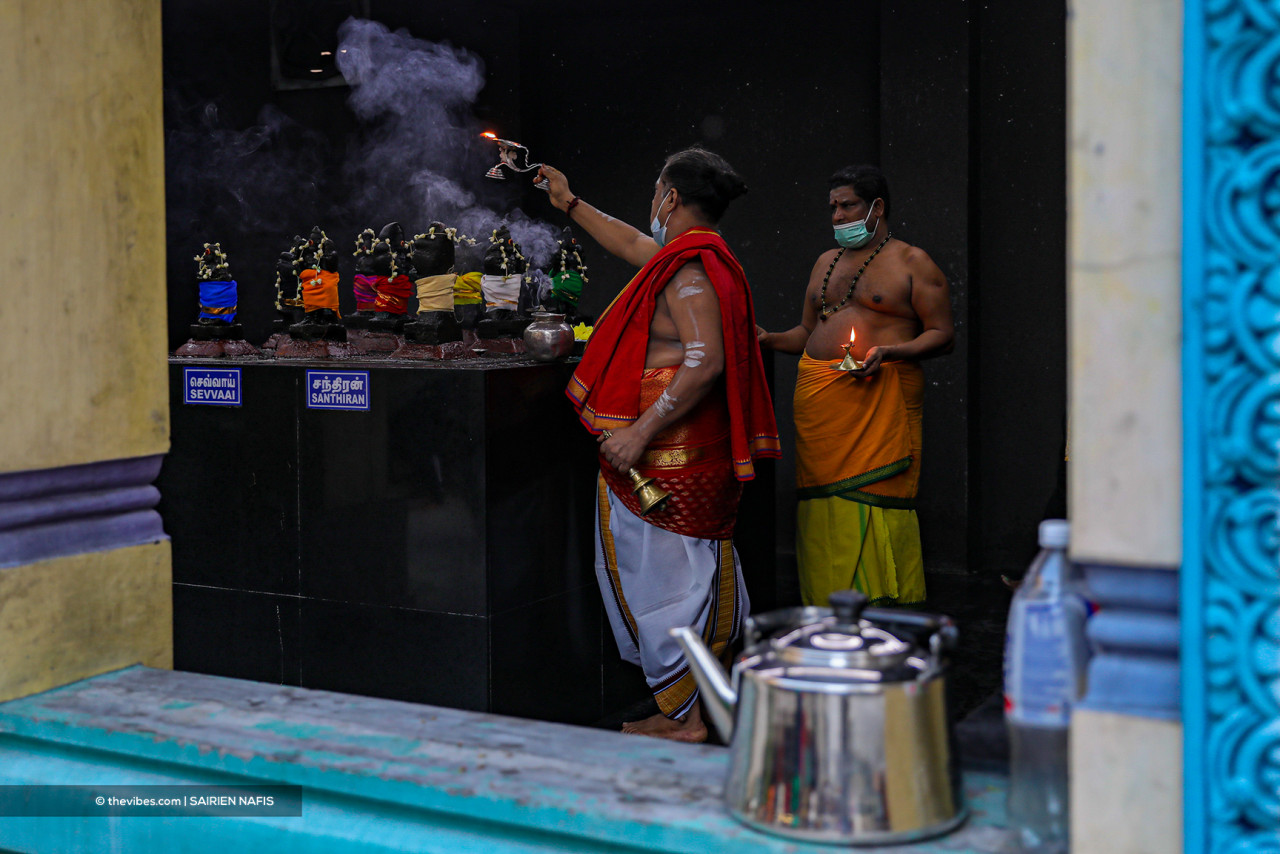
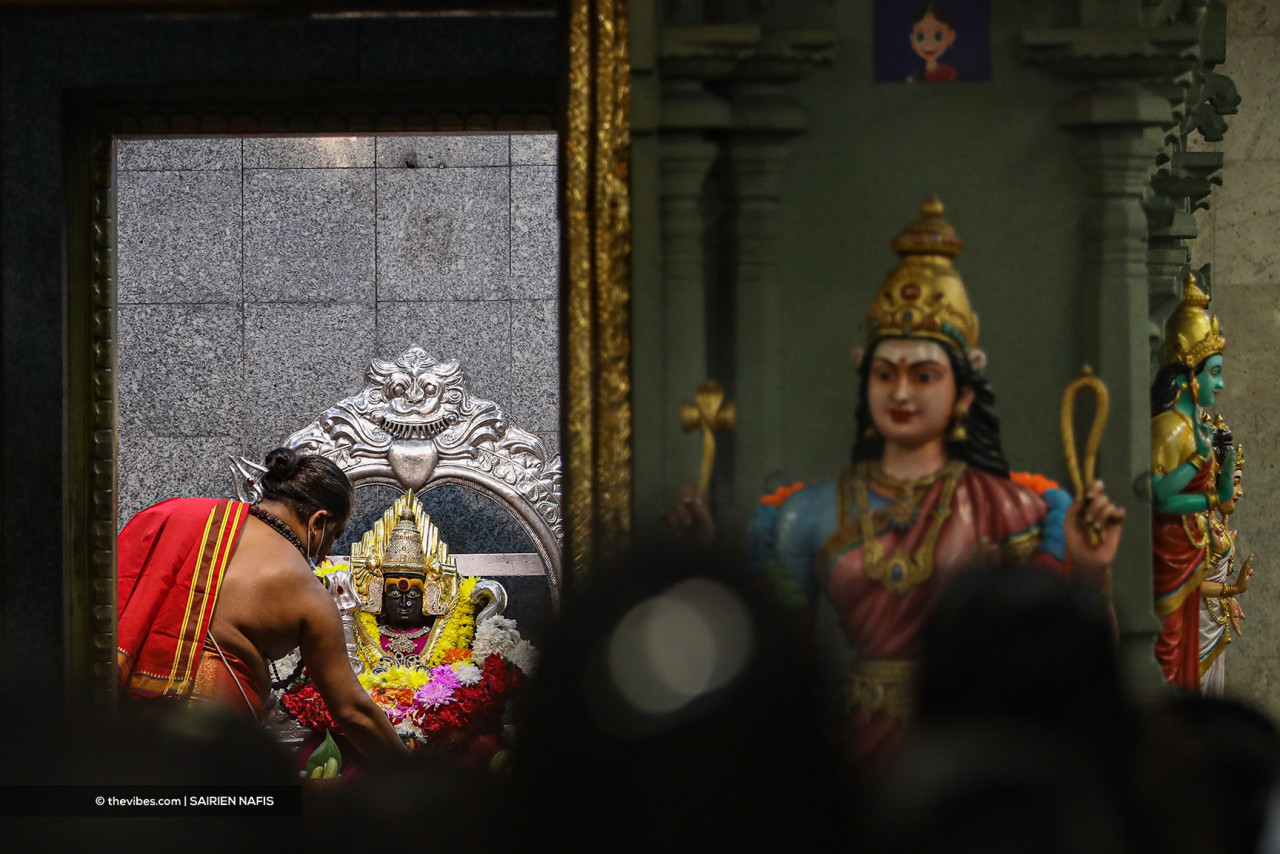
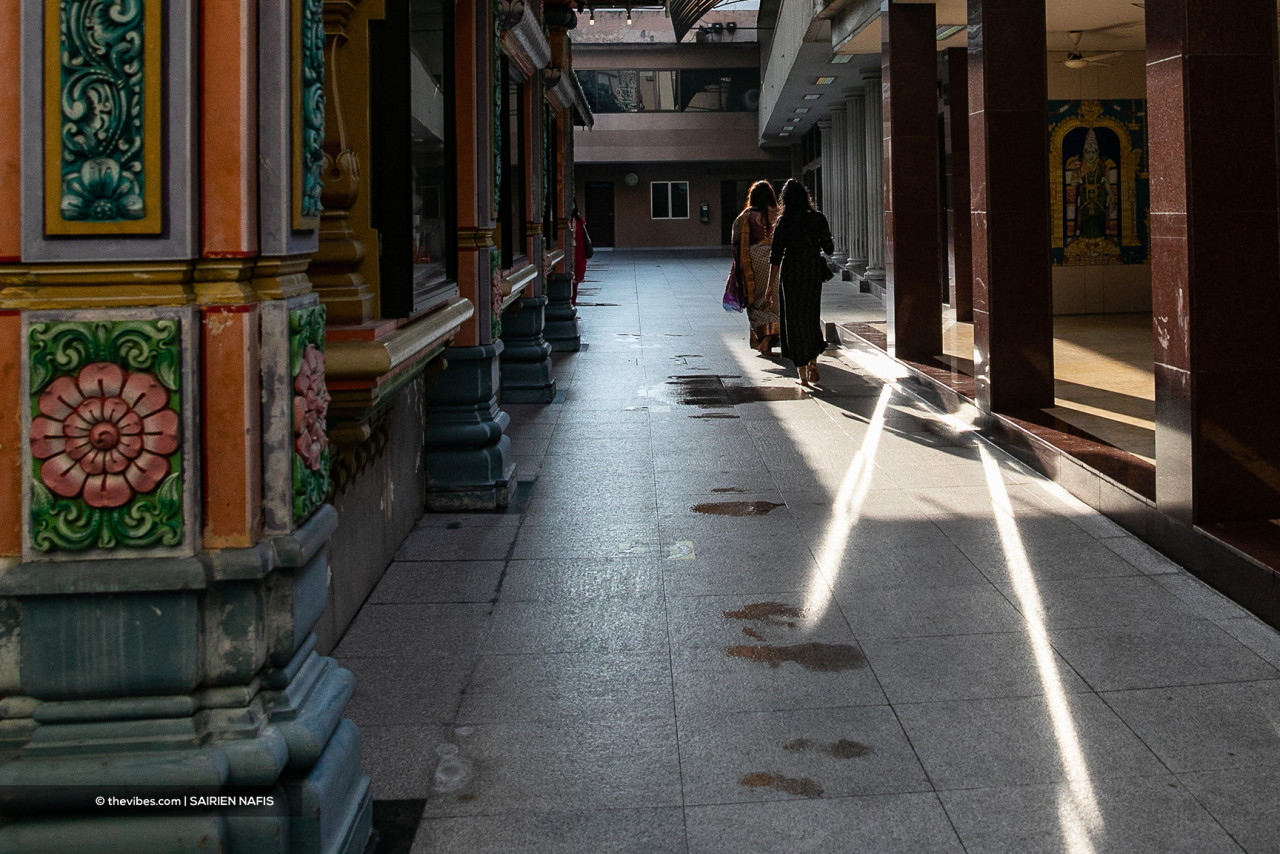
In our bid to cherish the many celebrations that make Malaysia unique, The Vibes paid a visit this morning to the oldest Hindu temple in the city, the Sri Mahamariamman Temple Kuala Lumpur, which was founded in 1873, to witness how the Varsha Pirappu occasion is commemorated first-hand.
“We are here to celebrate the Tamil New Year, where the new calendar starts. Every year, it will fall on April 14.
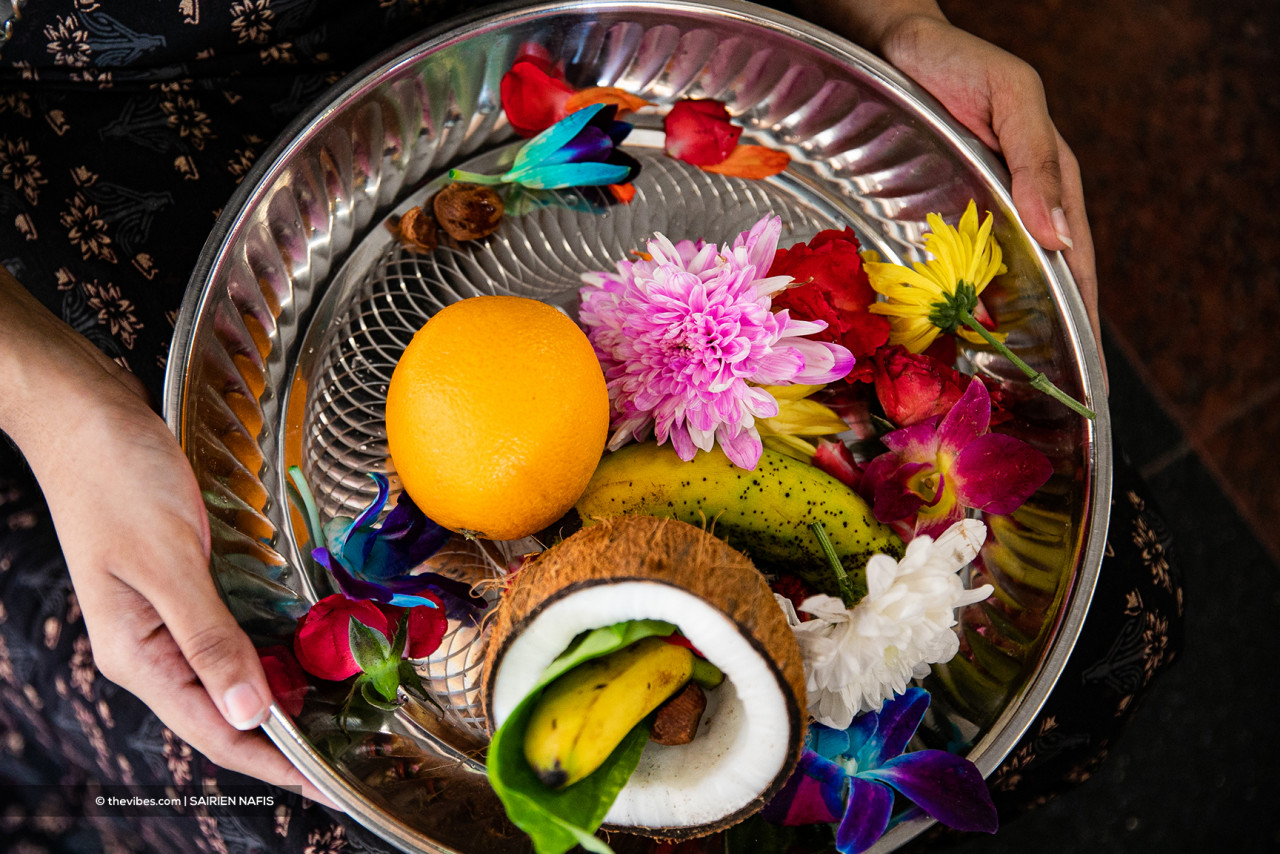
“Celebrations started last night, beginning with prayers and a tray preparation which consist of fresh fruits, money, and gold as offerings to our Gods. I had my prayers at the shrine in my home,” said Mariammah Manikam.
.JPG)
More cohesively, the tray would also include neem flowers and leaves, new clothing, and silver jewellery, aside from gold. The tray would then be placed at the shrines in front of a mirror.
On the morning of the New Year, it is said that Hindu devotees would look for the reflection of the tray as soon as they wake up to signify wealth and health.
According to the 52-year-old receptionist, most households would also cook sweet rice in the morning of the New Year, have their prayers after a bath at home before going to the local temple.
“Everyone will go to the temple in new clothing. After that, it is either we go to the office or back home for a get-together to enjoy some vegetarian food – strictly no meat – prepared for the occasion with family members,” she said.
“The meals will reflect the multiple emotions from the experiences we face in life. That is why you can find our food having sour, bitter, sweet, and spicy tastes,” says accounts assistant Purvanam Thirthagiri.
A typical Varsha Pirappu feast would include recipes such as vadai, sambhar, sadam (rice), payasam, appalam (papad), vegetable curry, fresh mango pickle, and curd, among many others.
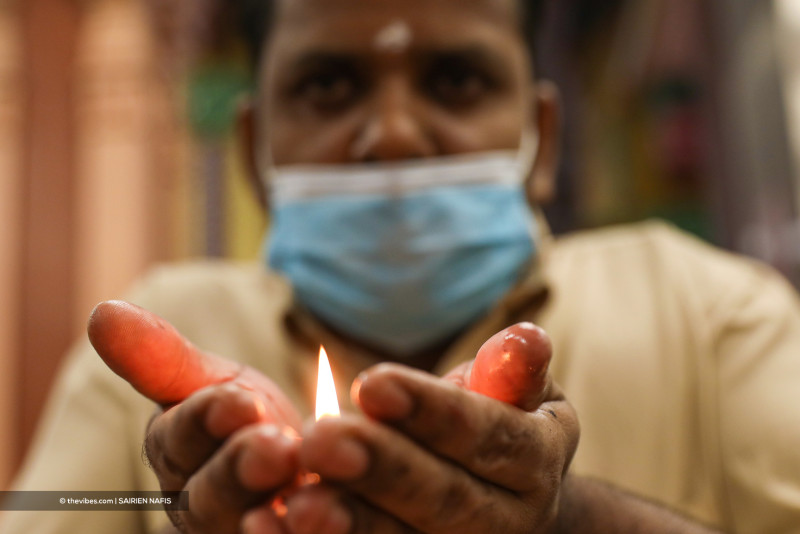
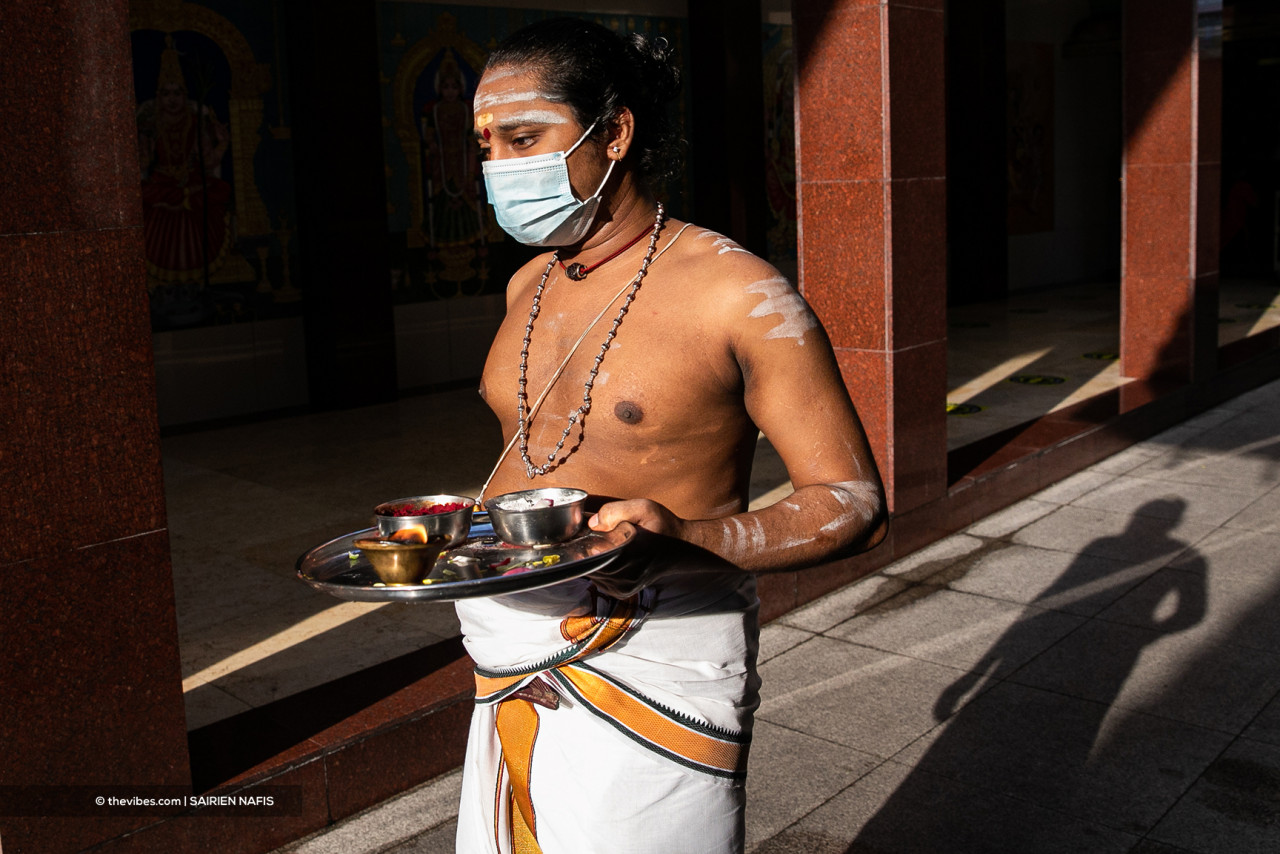
“What you saw earlier here at the temple is our religious ritual. We start with washing our hands and sprinkle the water on our heads to make sure we are purified.
“Then we will enter the praying area where we would pray to Lord Ganesha, Lord Murugan, and Amman (mother) before proceeding with the Aarti ritual (ceremony of light) to get blessings,” said the 43-year-old.
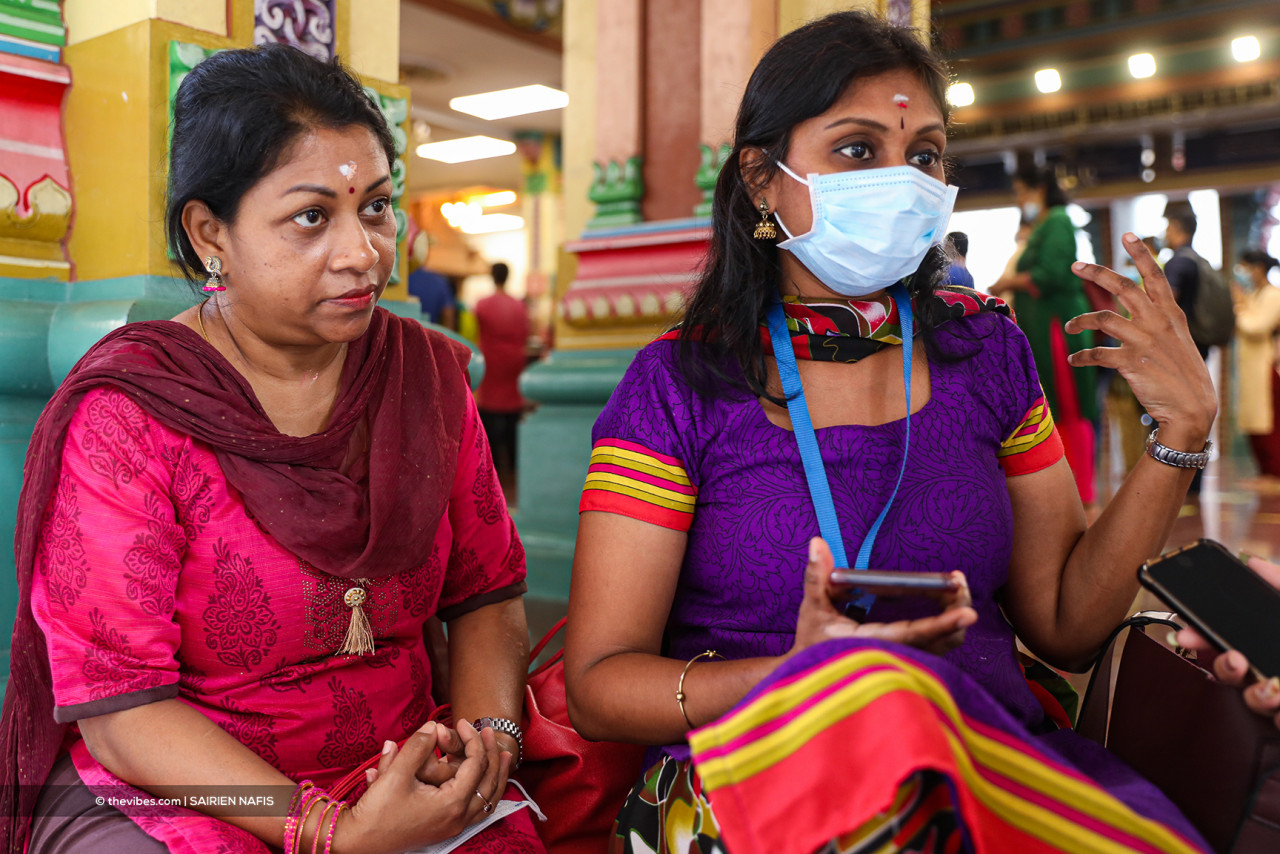
“I usually frequent the temple every week on Tuesdays and Fridays. Being here gives me positive vibes. Today is no different – it may be more special because we are celebrating the new year.
“This year is a bit different because the temple will not provide the Tirtha (holy water) because of Covid. The crowd is also significantly smaller than usual,” added Mariammah.
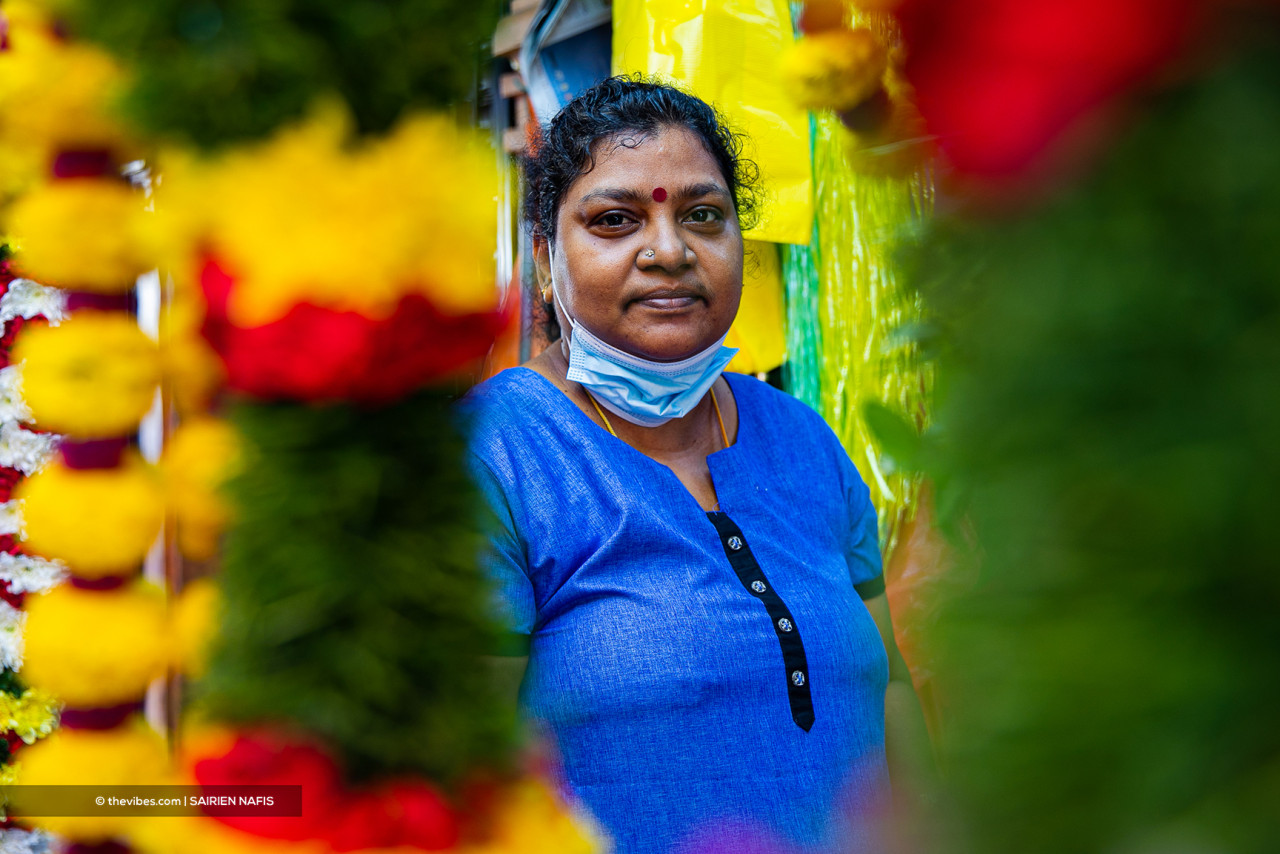
Over in Brickfields, at an alley where it is decorated by a row of floral garlands, we visited Rajeswary Subramaniam’s flower shop to survey the purchasing activities for the day.
There were not many customers by the time the team arrived as it was almost an hour to midday, but there were still enough people making selections.
Together with her husband, Sivanantham Arumugam, they opened into the wee hours of the morning to cater to temple goers.
“This year, business is visibly low. Customers are down by almost 70%. Covid has hit us hard but we still try our best to open our shop and operate whenever possible,” said Subramaniam.
“The garlands you see here today are not for us to wear, they are meant for prayers. Devotees will buy it for the Hindu Gods. So, some of the flowers and leaves you see here are more special than others as they carry meaning,” he added, noting that each would range between RM17 to RM80, depending on the flowers used.
“I hope this year will be better for us all, especially those with businesses. It has been a tiring ordeal, but I have not stopped in believing that I can survive the challenges of the pandemic.” – The Vibes, April 14, 2021