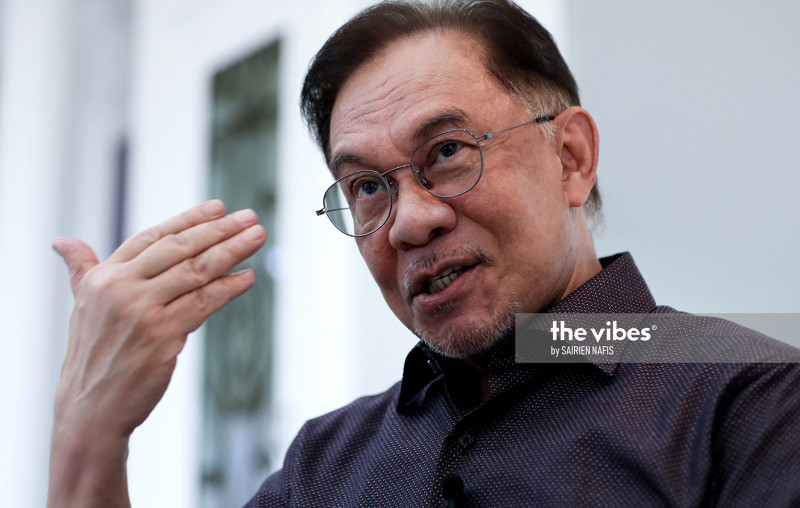
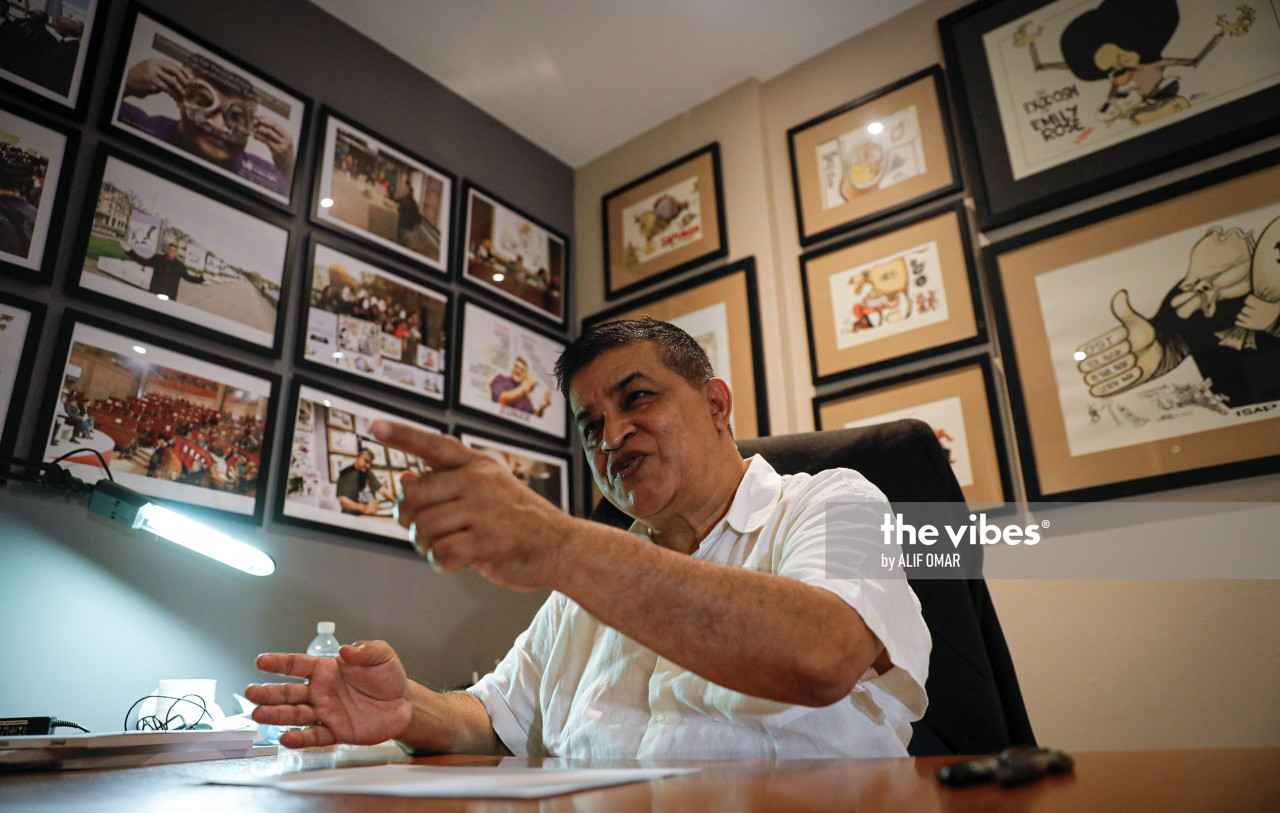
"ASSALAMUALAIKUM warahmatullah wabarakatuh dan salam sejahtera. It is a rare honour for me to honour my dear colleague, Zunar, who is indeed a household name in Malaysia, and who is also public enemy number 1, not only in terms of being a cartoonist but as a person of such courage and conviction who presents his views in such a witty manner and provides a compelling critique of the regime.
In conjunction with World Free Press Day, I think it is befitting that Asean cartoonists take the lead in promoting the central and fundamental issue of the dignity of men and women, which comprises human lives.
Thank you, Phil (Robertson), who has been an indefatigable defender of us all in this region, and Yenny (Wahid) – glad to see you! I of course have followed your career, admire your tenacity; and your father was a great man, a wonderful person, and a very dear brother of mine. We talk about him, we read his words, and I am principally a reader of Gus Dur because of my admiration and support for the cause towards a democratic understanding of Islam, of tolerance, and inclusiveness.
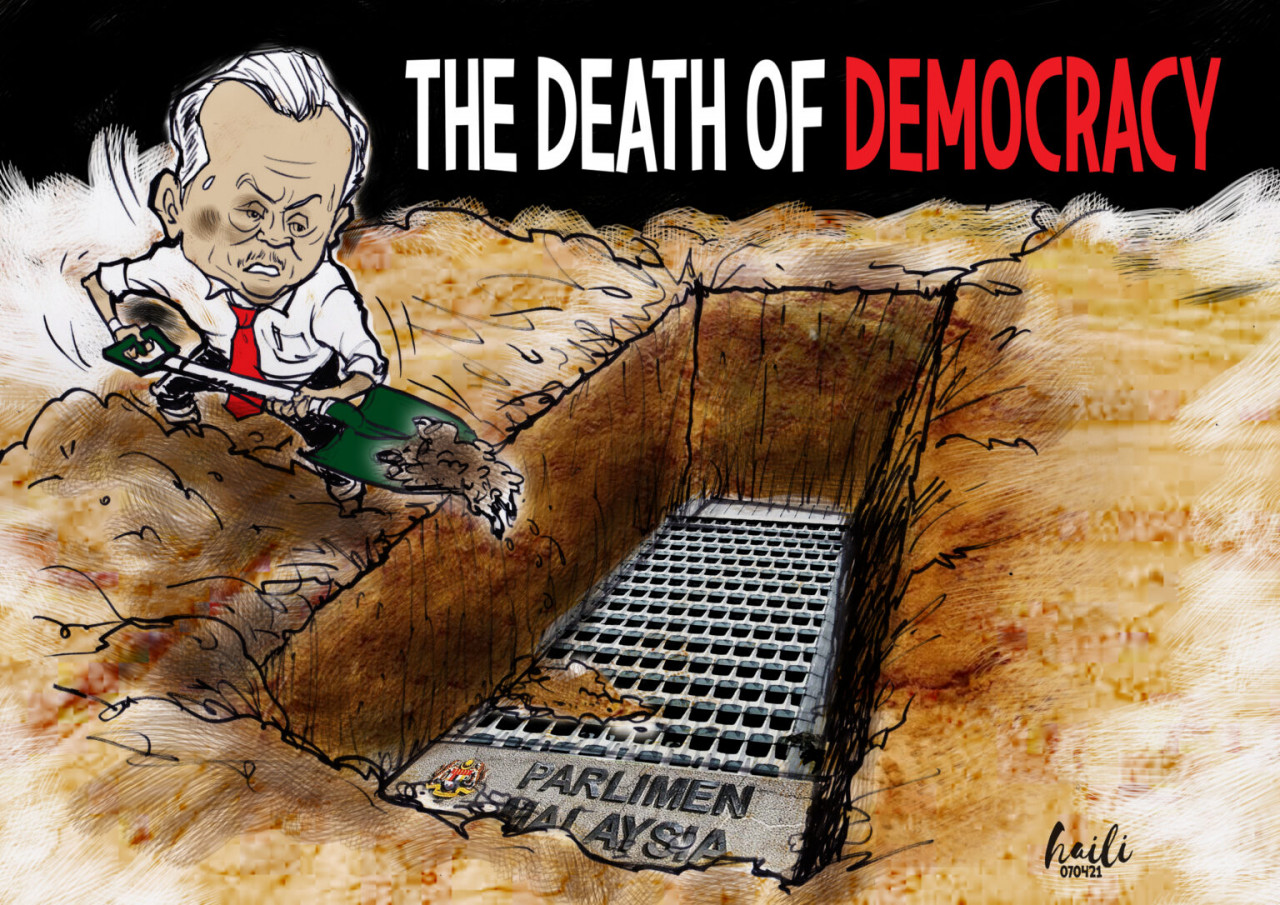
The media, the press, and here, in this context of Zunar, cartoonists, have emerged with such vibrancy and ferociousness in presenting and articulating views not confined to human rights alone, but extending to fundamental issues of freedom. At times we find it a misnomer, a contradiction, why independent countries who, after fighting against the Dutch for hundreds of years, against the French, against the British, for freedom, for human rights, for democracy, for the dignity of their men and women, have now to struggle to bring back the ideals that our forefathers promised. This is, as Nehru said, ‘a tryst with destiny’; this is what Sukarno meant about ‘a golden bridge’ – 'jambatan emas' – towards a more egalitarian, just, and progressive society. But it doesn’t appear to have happened that way.
It is interesting, then, to note the cynicism expressed by Yenny against the political leaders. I agree with you – unfortunately I am also ‘covered’ within this political title. Sometimes I hate it because people are going to be disillusioned. There is so much contradiction, so much hypocrisy when ‘you’ talk about freedom and democracy, but at the same time trample on the rights of people. ‘You’ talk about accountability but you’re blatantly corrupt.
The failure of our society – including within Asean – to a great extent is that there is no real democratic accountability. Democracy must be accountable; our institutions must be independent, the rights of our people must be respected. And the expression of cartoonists must be honoured and respected.
With regards to the recent issue of Fahmi (Reza)… he used to tickle me once or twice but I think that’s fine, it’s part of his way of expressing himself. Once when he did that, I actually retweeted his cartoon. After all, it is that which makes you reflect, think, and, at the same time, realise that a so-called ‘leader’ must listen to the criticisms, sentiments, and aspirations of the people. Cartoonists have this rare ability, oftentimes at our expense, of presenting a major, very fundamental issue of human rights in a cartoon, that makes people smile, or feel cynical, or laugh. But the message remains compelling.
I know Zunar suffered primarily because of this. I’m sure many others did too. And thank you to all the 37-odd cartoonists present here from the region, who have to go through this. Sometimes I feel ashamed. Why does our society, our countries, have to resort to such atrocities, even against cartoonists? How is it possible to talk about freedom, democracy, even free media, when you do not respect art and creativity? How, then, can a country be culturally vibrant?
At times we find it a misnomer, a contradiction, why independent countries who, after fighting against the Dutch for hundreds of years, against the French, against the British, for freedom, for human rights, for democracy, for the dignity of their men and women, have now to struggle to bring back the ideals that our forefathers promised. This is, as Nehru said, ‘a tryst with destiny’; this is what Sukarno meant about ‘a golden bridge’ – 'jambatan emas' – towards a more egalitarian, just, and progressive society."
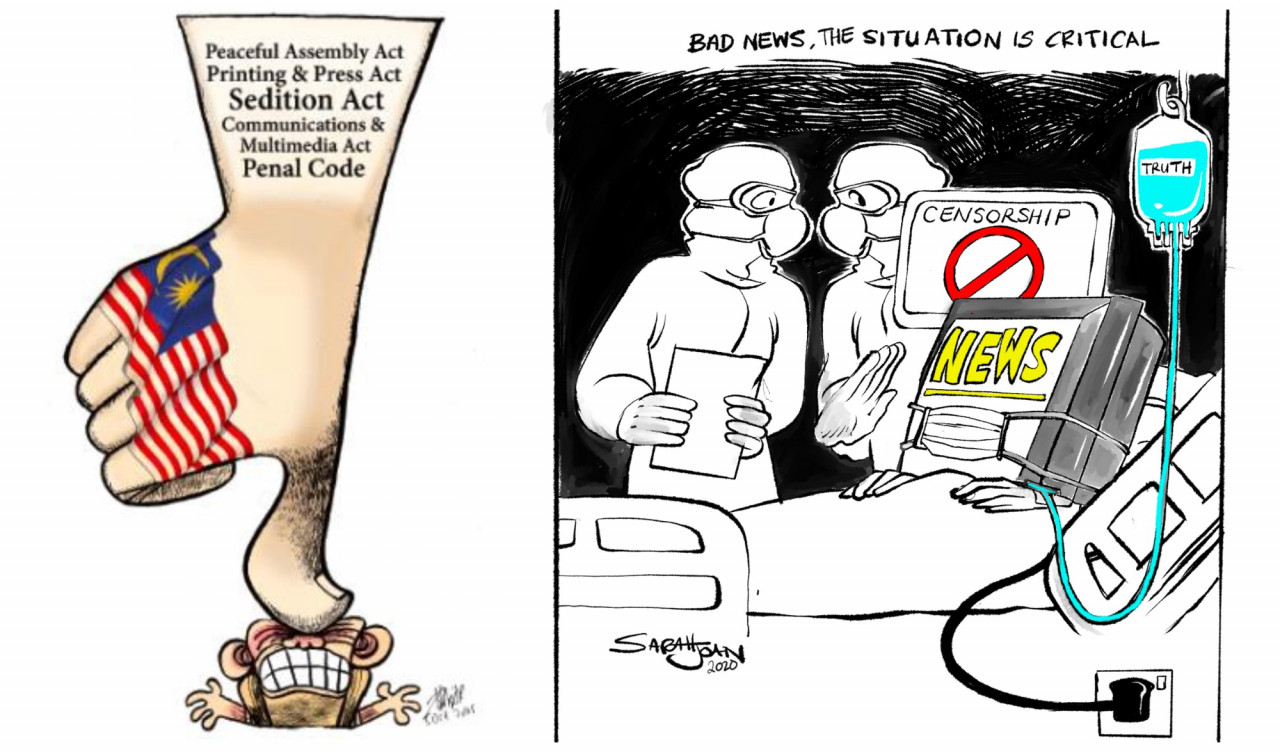
Malaysia for example, and Asean by extension, is a multiracial, multicultural, multi-religious society. In order for us to advance, we must show a lot of restraint, respect, and tolerance. Yet, however much you persuade a person like Zunar, his views will be vibrant and ferocious- there is no midway to this- but that is art. And that is creativity.
What is free media without the capacity to disseminate information and to express the truth? There are, of course, cartoonists who become tools of the oppressors. There are people in the media- journalists- who are paid by big tycoons and conglomerates to present their views, to demonise the opposition and those who dissent. Yes, notwithstanding, nothing in a modern, democratic, independent country should be used - institutions, enforcement agencies cannot be weaponised to intimidate, harass, and limit expression and freedom.
I emphasise the term creativity because I think that is what is lacking. Look at Thai society, Myanmar, Indonesia, and the Philippines. The cultural vibrancy of the past – from the Wayang Kulit, and Mak Yong – the satirical and insidious messages and criticisms within are phenomenal, remarkable. But why must all this be stopped after independence? Just because you choose to express views against the views of the powers that be? This, I think, is a movement carried out by many of us and we should have enough politicians, cartoonists, people of the media to subscribe to this ideal. Of course, the most extreme case in the region is presently Myanmar, and the fact that other Asean governments are not prepared to go a step beyond when people are being killed and slaughtered- not only the Rohingya, but ethnic minorities, and now the opposition – is deeply regrettable.
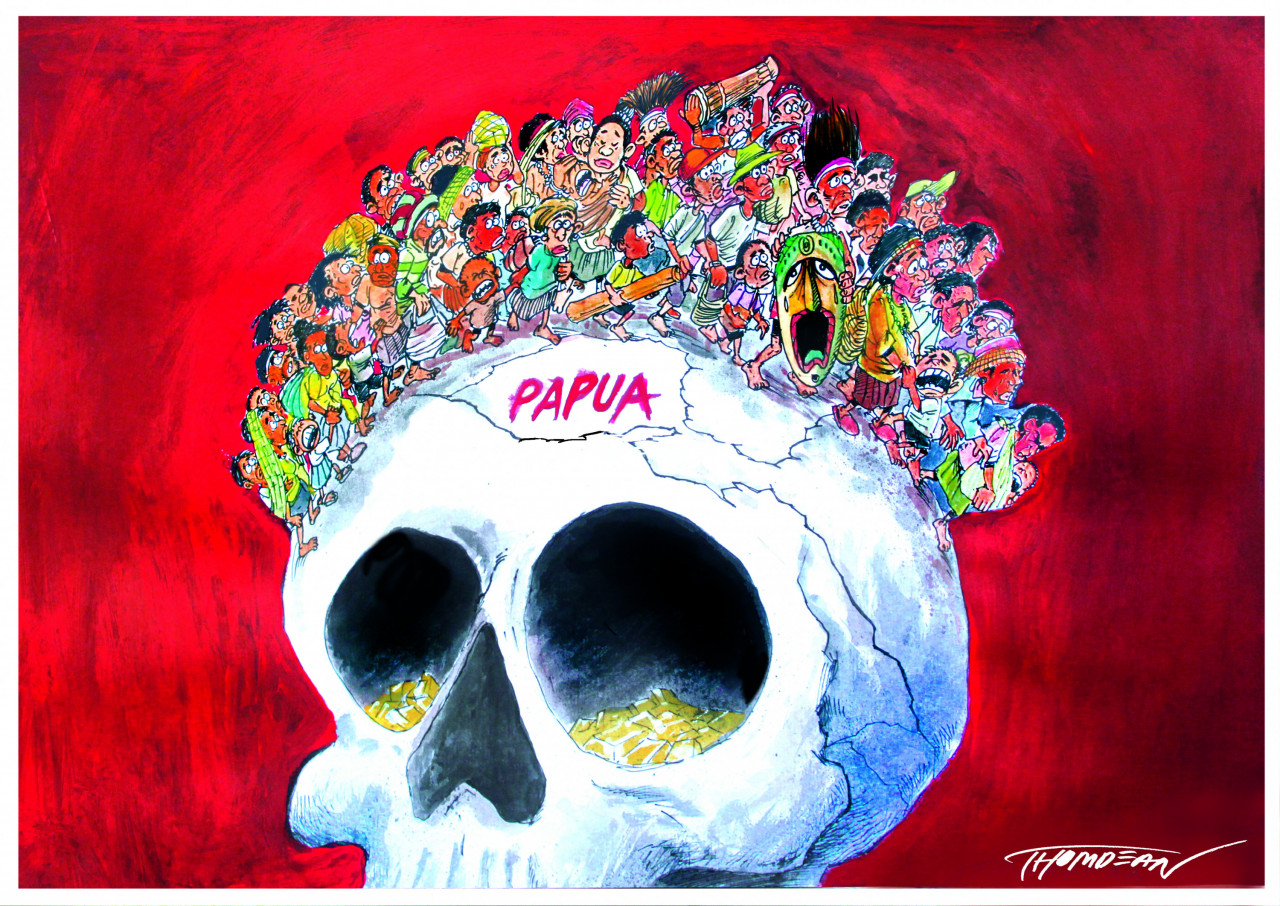
The lesson to be learned is that governments must be legitimate. In Malaysia of course, the issue of legitimacy is a big problem. In many Muslim countries, the problem is when leaders and governments do not represent their people, do not represent the conscience of their people, and are considered to be lacking in legitimacy. As part of a flawed democracy, and fragile, they, therefore, have to resort to this use of force and intimidation.
Yet, it is not all disheartening and tragic. Say what you want, impose any amount of laws that you may, there will still be many bright sparks. We have seen cartoonists from Myanmar and throughout the region continue to present their case, struggle for reform, struggle for human rights, struggle for democratic values. Therefore, looking at this initiative by the Asean Human Rights Cartoon Exhibition, I am very much hopeful and optimistic for the future of our region.
I take this opportunity again to thank and commend Zunar and the team for undertaking this effort – not only in terms of the exhibition – for they are also a part of the greater struggle. Zunar, for example, is familiar with police stations and lockups. We are competing actually- who goes to the police station more… It is, in the end, an expression of commitment to a cause, which to me is more noble.
So on behalf of Phil and Yenny, let me take the opportunity to thank you and celebrate with you the launch of the Asean Human Rights Cartoon Exhibition with craftora.com.
Terima kasih. Wassalamualaikum."
*View all cartoons submitted for the Asean Human Rights Cartoon Exhibition on the digital art gallery at www.craftora.com until May 31. The next forum will be held this Saturday (May 8) at 2pm/MYT.