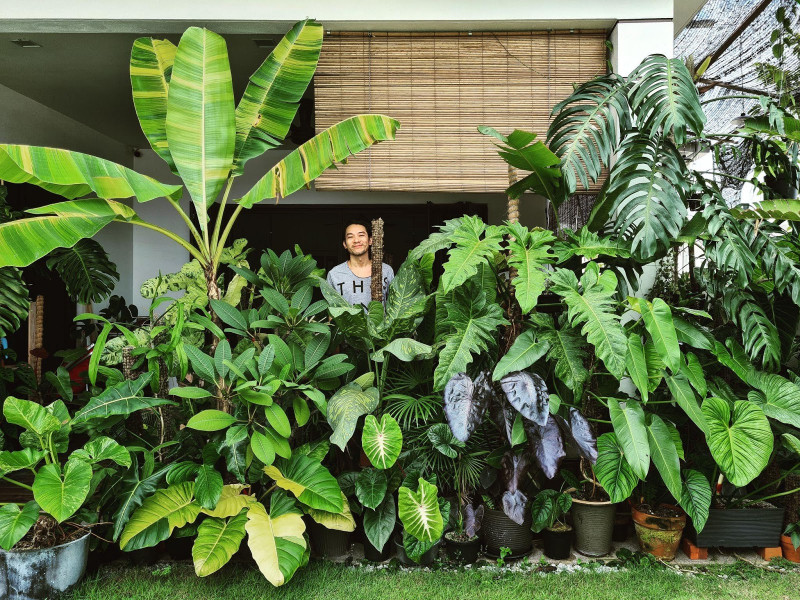
PETALING JAYA – The Covid-19 situation has ignited a spark among Malaysians collecting houseplants for comfort, a sense of routine, and community. Some have even racked up hundreds of plants as housemates, turning their homes into urban jungles. This trend in embracing potted plants shows no signs of stopping.
Andrea Tim’s (@plantcaffeine) love for plants started with one rubber plant (ficus elastica) in 2019. Over the lockdown, her collection grew significantly. “My new hobby gave me a bit of an escape,” Tim said. Now she has over 70 species of plants in her home. She still believes her collection is “tame compared to other plant enthusiasts out there.”
Through plant keeping, her appreciation of nature has amplified. It has added layers of meaning to her life, especially how she interacts with the outdoors.
“I don’t want to live in a zero-greenery, cyberpunk dystopia,” said Tim in expressing her worries over Malaysian natural forest reserves and rainforests being used for development.
Simultaneously, Almizar Amil Hamzah (@pokok.man) said that plants had taught him to view natural ecosystems differently.
“They are coexisting with us and we are interdependent.”
He confessed that he would even greet the plants he sees in the wild.
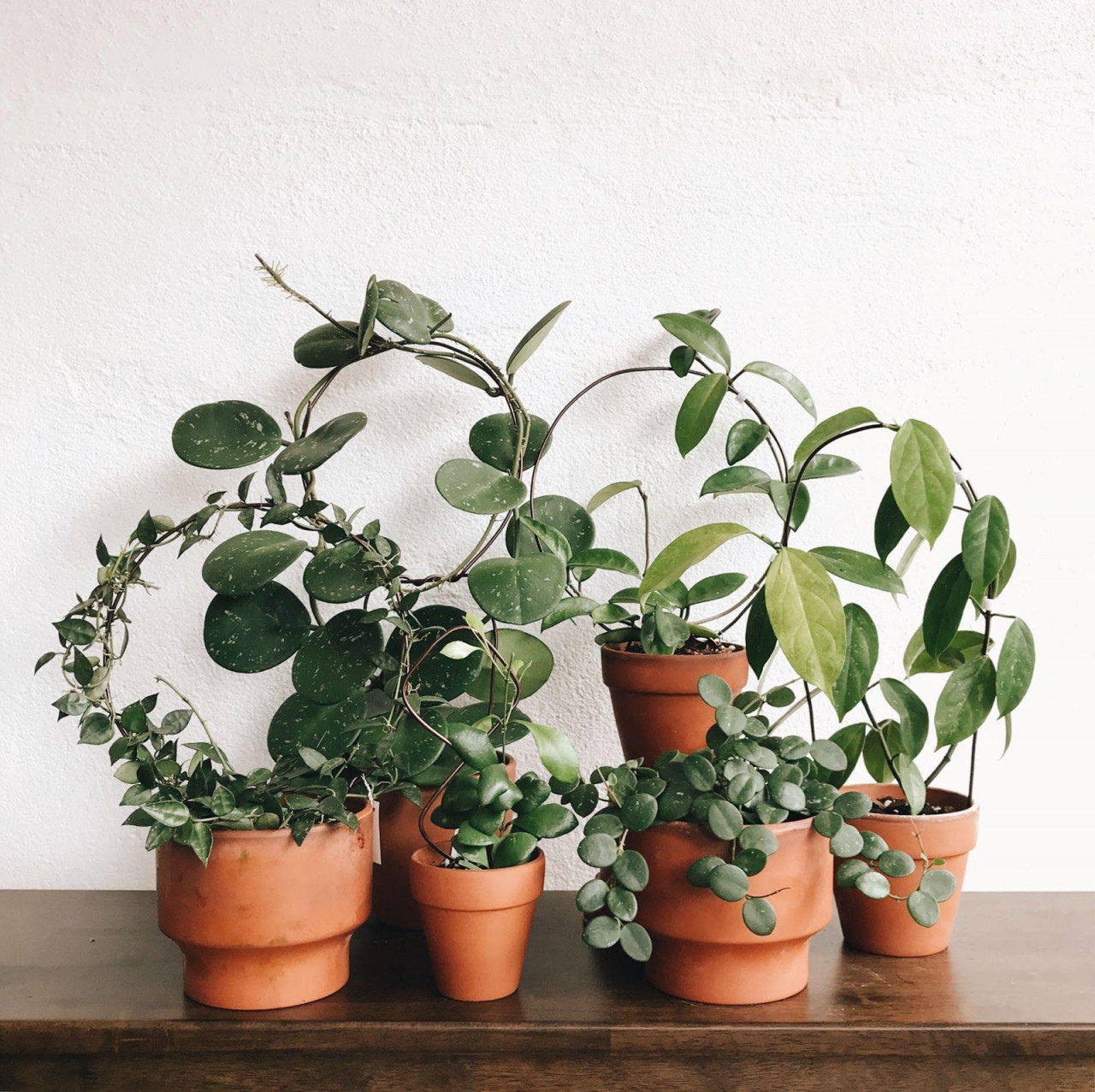
“Plants are my therapy, they brighten my day and help me relax,” he said. Collecting plants has become addictive for him and he’s “fallen deeply into this black hole” – in explaining the 200-over plants that he collected within nine months. He’s even travelled 400km in a single day in search of the perfect plant.
It’s no coincidence that plant nurseries have been seeing an outrageous spike in demand. The demand for unique and rare plants are proving to be concerning.
“There are many unscrupulous people who uproot wild plants to sell to desperate and ignorant customers. There’s no need to harm wild specimens and drive them into extinction just for the 'Gram,” said Tim.
The sentiment behind this worry is shared among many plant keepers. “Something that cost RM25 before the pandemic can be RM400 now,” said Farren Tayne (@justp_lantit), who has more than 51,000 people following his plant-focused Instagram account.
.jpg)
Plants are teachers in many ways, and there are some valuable lessons to be learnt. For Tayne, “one of the most important life lessons from taking care of plants is grit” and having tenacity in life. “Plants do not give up on life, they are always fighting for life in nature – so should you!”
Nigel David (@botanically_botanical), a university student who grew up in the era of instant gratification, said that taking care of his 245 plants had taught him to be more patient as a person. The hobby has also turned him into someone who can “appreciate hardships and enjoy the process,” said David.
In such an isolating time, people tend to crave a sense of community. Some have chosen to share their love for plants on the Internet. Incredibly enough, the plant community has just the vibes that everyone needs.
As Almizar puts it: “No matter who you are, where you’re from, your skin colour, gender identity, and social status, we are here together for the same reason – loving plants genuinely.” – The Vibes, May 17, 2021
*Ashley Yeong is an aspiring journalist and final year journalism student at Monash University