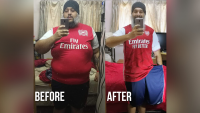
ADS relating to weight loss, dieting testimonials or using language or imagery that idealises or denigrates certain body types are now banned on Pinterest. To explain its policy, the photo-sharing platform talks about the notion of body neutrality. But what exactly is this concept?
This time of year inevitably brings talk of the "summer body," an ideal promoting certain beauty norms and an idealised aesthetic. At the same time, the body neutrality movement is gaining in visibility. This concept advocates self-acceptance.
It's about accepting yourself and feeling good about yourself, but without necessarily loving your body or being obsessed with your physique. To achieve that, we should focus on things that feel good and which allow us to feel comfortable, without thinking about our physical appearance.
It's about finding a balance, a middle ground between self-love and body hatred.
Focusing on achievements
Above all, body neutrality is meant to be kind and compassionate. With this trend, thinking about yourself does not mean thinking about your physical appearance, but rather about your achievements and the search for well-being.
We should be grateful for what our body allows us to do irrespective of its appearance. Our bodies allow us to move, exercise, enjoy the presence of our loved ones, travel the world, etc.
Far from the diktats of "body transformation," sport and fitness activities are seen as a way to preserve health and feel good. The same goes for nutrition – the goal being wellness rather than weight loss. In fact, this movement is all about health, both physical and mental.
On social media, the movement counts some 160,000 posts on the Instagram platform. The trend also provides a space for women to talk about their bodies and openly show their supposed "flaws."
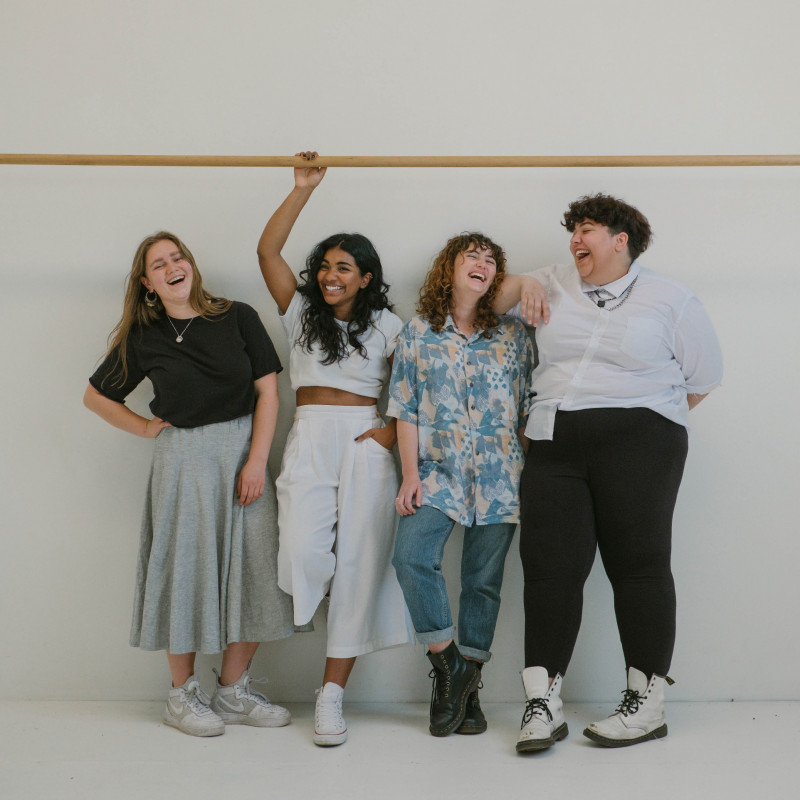
This trend is gaining ground over the body positivity trend, which involves loving your body, no matter what it looks like. That means loving your curves, defects, cellulite, stretch marks, or love handles. Highly present on social media, this movement has also been strongly criticized for its lack of inclusiveness. – ETX Studio, August 6, 2021