
MUCH like any other mental health condition, suicidal thoughts (and actions) understand no creed or colour.
Although not all cases of depression lead to suicide, having major depression does increase suicide risk as compared to people without depression. This, in part, is related to the severity of the condition.
The goal is to encourage those with mental health issues to share their experiences, indirectly refocusing any discussions on suicide prevention.
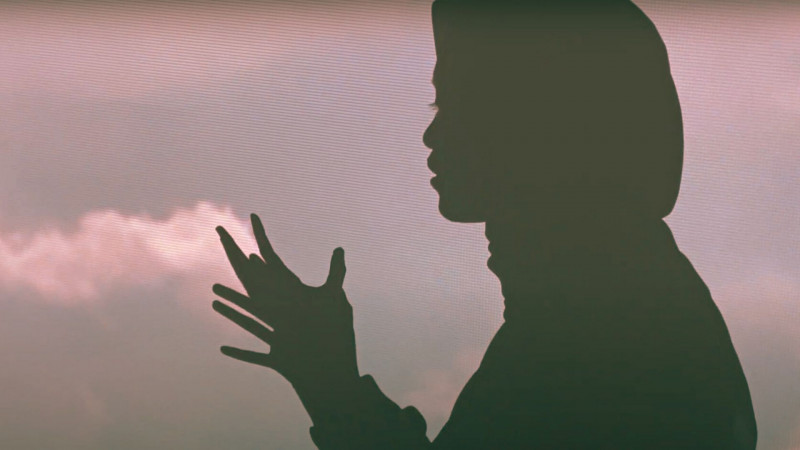
In support of encouraging people to bring their voices together, we sat down with ‘Intan’ who shares with us the sobering realities of dealing with and surviving depression.
Here, she details her story in her own words…
“It was back in 2019 that I first understood what anxiety meant.
“I would wake up in the middle of the night from my slumber with my heart beating so fast and my hands shaking, uncontrollably.
“I thought there was something wrong with my heart or lungs, and naturally I went for a [medical] checkup, to which the doctor said that my readings were fine.
“It is only then that the good doctor probed into my experiences further...
“I remember telling all the reactions I would face when in crowded spaces, one of which is difficulties in breathing, and consistently having the urge to cry.
“These were actually panic attacks that I was facing and having realised it, I took myself for further clinical diagnosis to understand my underlying condition.
“It’s so often that when I am at my lowest, eating, getting up from bed is a struggle. I would often just feel lost and detached from myself completely, at times it’s like living in another person’s body."
Counting my blessings
“My family only knew I had depression about three months after my diagnosis, and that was only because the clinic wanted me to provide next-of-kin contact details in case anything happens.
“There were a number of people that I had to see to cure myself, or at least my mental state, back to ‘normal’ – from therapists, to counsellors and psychiatrists.
“I take medication but what most don’t know about prescription(s) is that our body does not immediately respond to the medication the way it’s intended.
“Sometimes our bodies are not strong enough to deal with the side effects of the medication, which causes us to go to the other extreme by becoming moodless – it does cause personality changes.
“Therapy is focused on being more aware with my breathing and staying calm whenever my anxiety kicks in.
“Other things are concentrated on how I can participate in more ‘mindfulness activities’, which stabilises my emotions like exercising, maintaining eating habits – basically simplest actions that actually do wonders that relieves stress.
“In one of the methods, I find journaling my thoughts most rewarding – this is truly something that I would suggest for others. It doesn’t need to be something so intricate, like jotting down what I am grateful for today for instance.
“Another method is maintaining sleep hygiene. It’s amazing to know a routine we do the night before before bed time can impact greatly on how we feel waking up the next morning.
“Of course, the simplest thing would be basking in the sun and taking in the energy in the morning.
“Even in the beginning, the doctors were telling me to keep my engagement active with the available carelines out there whenever I get into one of my moods aside from the self-therapy mentioned.
“I do find free-of-charge mental health helplines important, especially during the pandemic, because when you are desperate, what you need is immediate help – you don't have space to think about other things.
“Depression is truly a dark seed that poisons the mind. [Ideally] no one should succumb to it, but in reality some do because of the vicious cycle of deception the mind wanders into.
“If I were to tell my then-self, to help in her darkest moment, I would tell her ‘you are enough’."




_-_SYEDA_IMRAN_-_26.jpg)