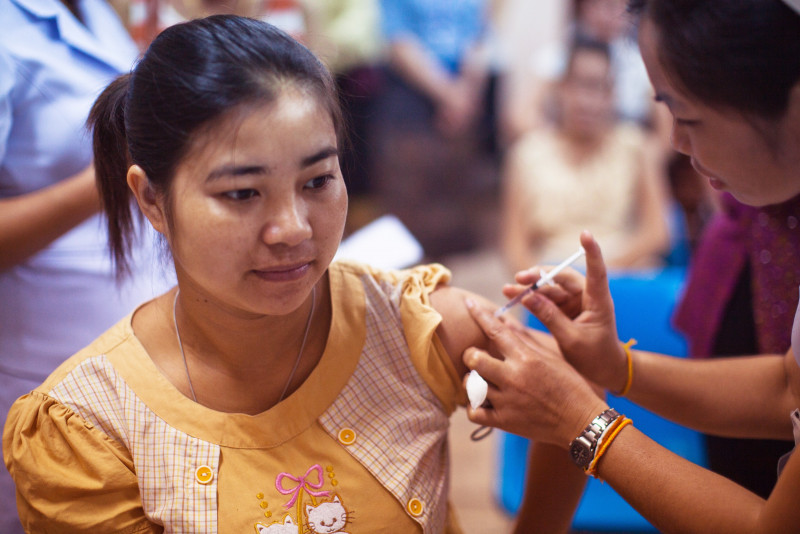
IN the face of a global pandemic, the topic of vaccination has never been more relevant. The Covid-19 vaccines have proven to be an important innovation that can help lower the risk of serious illnesses and deaths associated with the coronavirus. Now more than ever, we should not also overlook the importance of ensuring routine vaccination continues, so we are protected from preventable diseases such as cervical cancer.
According to the World Health Organization (WHO) and the United Nations Children's Fund (Unicef), the Covid-19 pandemic has caused 23 million children and 1.6 million girls globally to miss out on basic and HPV vaccinations respectively in 2020.
The disruption in the delivery and uptake of routine immunisation services could be due to reasons such as fear of infection, travel restrictions, or limitations in healthcare access. Countries that have school-based immunisation programmes, including Malaysia, may have also been affected due to nationwide school closures.
The importance of vaccines
Even before Covid-19, vaccines have been vital in the global fight against diseases such as smallpox and polio. It is estimated that 2-3 million lives are saved each year thanks to vaccination, which is undeniably one of the most successful and cost-effective health interventions. It is reported that every childhood immunisation yields US$44 (RM182) in economic benefits, including savings on medical costs and productivity loss.
Routine vaccination is necessary to reduce cervical cancer deaths. Last year, cervical cancer took the lives of 342,000 women worldwide, and this figure will only increase over the coming years if no action is taken. In Malaysia, cervical cancer was the second most common cancer among Malaysian women between 15-44 years old in 2018 despite it being a preventable disease.
The WHO has set a global goal to eliminate cervical cancer by 2030, and one of the targets is for 90% of girls aged 9-15 to be fully vaccinated against HPV. For us to achieve this target in our country, HPV vaccination through our National Immunisation Programme and the school-based HPV immunisation programme is crucial in the fight against cervical cancer.
How HPV vaccines can protect Malaysians
HPV, or human papillomavirus, causes approximately 99% of all cervical cancer cases. Most sexually active people are infected with HPV once they commence sexual activity, and while most HPV infections can clear on their own, those that do not may develop into cervical cancer.
There are currently three HPV vaccines that have been approved for use in Malaysia – the bivalent HPV vaccine, quadrivalent HPV vaccine, and 9-valent HPV vaccine. All three protect against HPV types 16 and 18, which cause 70% of cervical cancers; while the 9-valent vaccine protects against five additional HPV types that cause another 20% of cervical cancers. HPV types 52 and 58 are amongst the most common HPV types seen in Malaysian women, and these types are also covered by the 9-valent vaccine.
Besides protection against cervical cancer, HPV vaccine can prevent vaginal and vulvar cancer, genital warts, and anal cancer. In fact, boys or men can also receive HPV vaccination as it can protect them from HPV infection and its associated diseases, as well as help to reduce transmission and increase herd immunity.

Steps to fight and prevent cervical cancer
The fight against cervical cancer must remain a priority even as we battle against Covid-19. In addition to vaccination, which is a very important pillar of cervical cancer prevention, screening for the disease must also continue. Women with suspicious symptoms like irregular vaginal bleeding or bleeding after sexual intercourse should consult a gynaecologist to exclude cervical cancer or other serious pathology without delay.
As the school-based HPV immunisation programme has been disrupted by the pandemic, there is a need to put in place catch-up vaccination programmes or more community-based programmes to ensure we close the large gaps created by Covid-19. At the same time, parents should also adhere to their children’s immunisation schedule to protect their health and wellbeing.
This pandemic serves as a great reminder to us on how valuable vaccines are, and how fortunate we are to have the tools available to prevent the development of deadly diseases such as cervical cancer. Hence, it’s important that we leverage them to keep ourselves and our children protected from this preventable disease. – The Vibes, September 13, 2021
* This article is written by Dr Suresh Kumarasamy, Gynaecologist / Gynaecological Oncologist, Penang