
IT is an understatement to say that Malaysia is constantly under pressure in changing its way of ensuring marginalised communities get equal representation.
The grievances that come with concerns with regards to politics, social or economic policy continue to be an endless familiarity.
Unfortunately for some, it has come to a point where some pay no attention towards them. That said, this does not mean that caring for sensitivities is less important.
Just recently, OKU Sentral president senator Datuk Ras Adiba Radzi lodged a police report against those insulting people with disabilities (PWD) on social media. She showed no mercy regardless of the fact the individuals in question had already publicly apologised for the ordeal.
“The media has always played a significant role, not just in reflecting our community but in affecting change,” shared Communications and Multimedia Content Forum (CMCF) executive director Mediha Mahmood.
“It really is the biggest ‘influencer’, if you want to call it that.
“It holds the power, budget and reach – basically everything to create an impact and everlasting change,” she added.
A mindful manner
.jpg)
Our recent interview with the legal and regulatory professional had the discussion focused on updates to the 2008 Content Code – a set of guidelines drawn up to promote good practices and standards of content amongst content producers and consumers in Malaysia.
According to Mediha, the recent revision had allowed for those involved to expand the considerations of what inclusivity is all about.
“When we are not part of the community, the sensitivities may not be as apparent to us,” she said.
“We may have some ideas but those within the community have their own interpretation of what is acceptable and what is not.
“For instance, when we were updating the content code, we had PWD individuals who were part of the group and found out that they are not even keen with such labels,” she added, noting that the title is still debatable.
“In order for us to practice inclusivity, we need to have the right people in the room so that the community in question is well represented”.
Mediha shared that the 2008 version of the content code refers to the communication and portrayal standards against humour and ridicule based on physical, sensory or mental condition, “...which should be expressed in neutral terms in the media”.
“The recent revision is to add to that with further reasonable practices that help deliver content and/or information to be more accessible to PWDs,” she said.
Accuracy in the representation
.png)
“PWDs make up at least 15% of the global population, so it is within our responsibility to make sure that the categories are well represented,” highlighted Mediha.
“I understand that there is an increase with representation on screen with non-physical disabilities already (Ie. mental health issues, chronic illness and learning disabilities), but there is still a gap in the representation of physical disabilities.
“These individuals continue to be overlooked even in countries such as America, in which we are talking about a nation that a lot of people consider as ‘woke’,” she noted.
“You see PWDs being portrayed on television but – the numbers – are certainly not reflective of the actual population.
“Not only that, most of the time they are portrayed in a very wrong way, where their disabilities are made into a punchline just for laughs,” she added.
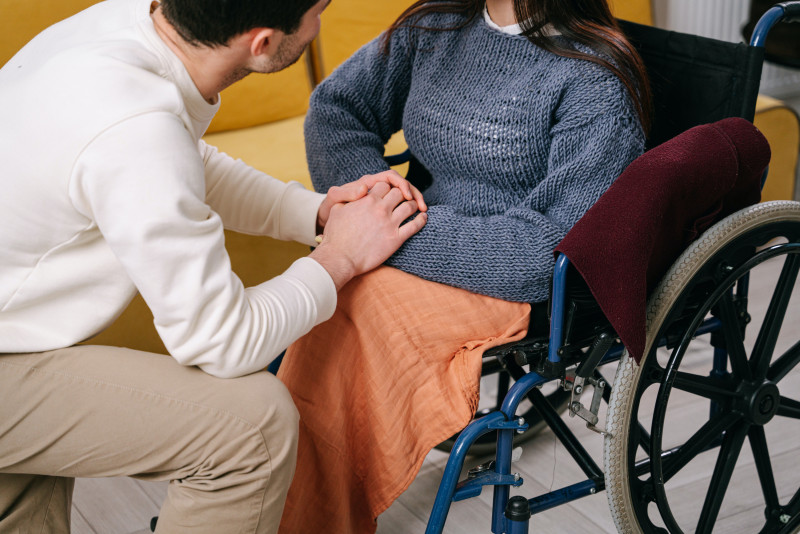
Aside from the over exaggeration of the PWD characters on screen, the community is well above having themselves be looked at as victims (helpless, desperate, or sick).
“This almost always happens in fictional drama programmes where the plotline focuses on when a person who is (by some miracle) cured from being wheelchair-bound, finally gets to live happily ever after.
Mediha added that even the usage of exaggerated language to describe PWDs can be demeaning, and this is usually amplified when we praise them in interviews for doing normal activities.
“The immediate goal for us at Content Forum is to try and affect change within our control first.
“Persons with disabilities experience multiple communication barriers, and this is what the content code essentially seeks to address,” she expressed.
Respect and protect
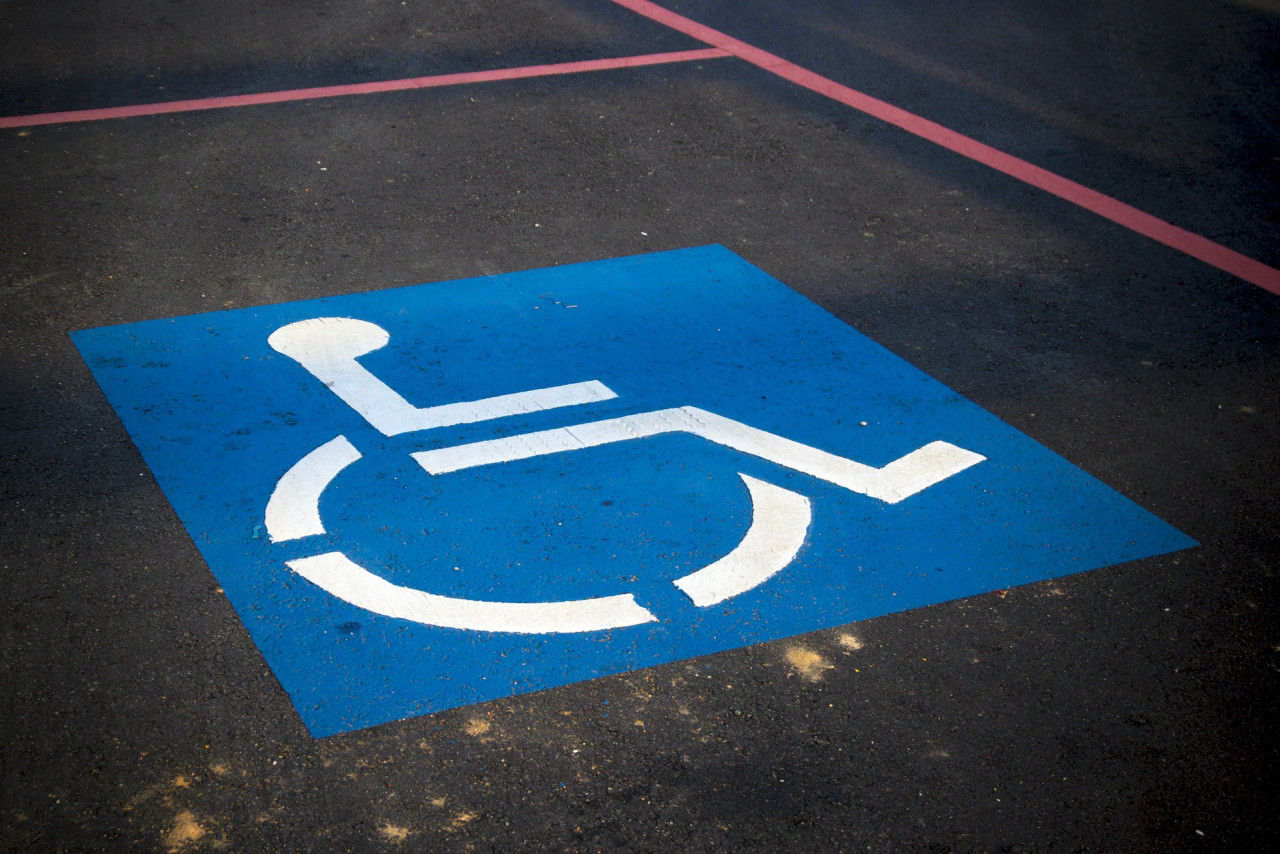
Mediha agrees that society should eventually move beyond filling a quota, but notes, “It’s also imperative to remind ourselves why there is one in the first place?”
“Go back to the reason why we need to continuously encourage representation and inclusion because our efforts should not stop when regulations are in place.
“People can genuinely see if a certain act is done as a token, which is as bad as no representation at all,” she shared.
“On our end, what we strive for is our constant engagement with the affected community.
“For matters related to PWDs, we reached out to senator Ras Adibah and her and her team to understand in detail the issues that they face so that we can furnish the content code better. I mean, the basis for changes is based on our consultation with them.
“Moving forward we will definitely have working groups that are inclusive across the [PWD] board to bridge the connection and cultivate active dialogues within the content ecosystem,” said Mediha.
At the moment, the interest level is not even.
The CMCF executive director shared that while allies are doing the best they can to help improve the condition, “... there are certain parties who are more inclined to think of the bottom line”
This entails cost, where an ideal state should not even be making this a questionable point. That said, there have definitely been improvements.
“In the old days we did not even stop to think about the rights of PWDs when it comes to accessibility,” she said.
“The way to reach out to the young is definitely via social media – this is crucial in the effort of creating awareness of the content code on best practices.
“Of course, the traditional way of having roadshows and conferences still needs to be continued but there needs to be an effort in the digital arena.
“Additionally, in tandem with us committing to break communication barriers in the media, there needs to be better empowerment of their rights in life off screen as well,” added Mediha. – The Vibes, December 11, 2021