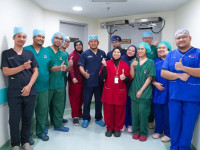
YOU would think that after more than two years of a global pandemic that has killed millions and overstressed healthcare systems the world over, there would be a different attitude when it comes to nurses. However, they are still as overworked as ever and mental stress feels like it is at an all-time high. Let’s take some time to appreciate these tireless workers.
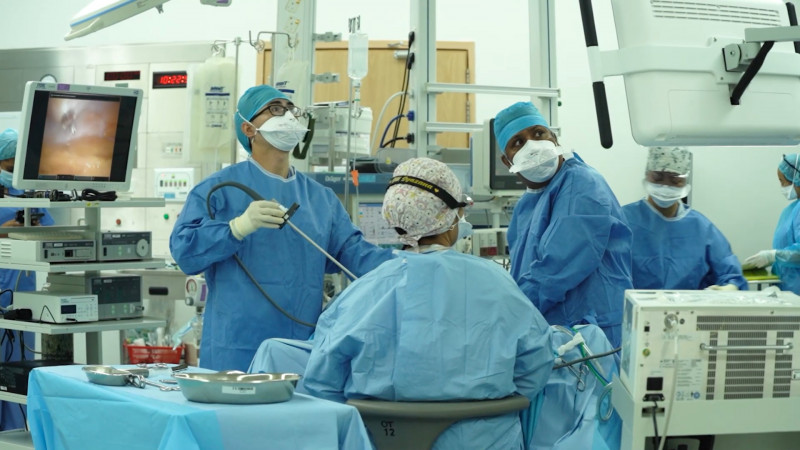
There are many kinds of nurses, from nurse coordinators who coordinate between patients, their families and donors on stem cell transplants, to nurses who assist doctors in the operating theatre (OT) for robotic-assisted surgeries; nurses cover a wide range of roles and responsibilities.
“A nurse’s role evolves constantly, because each patient is unique and the best way we care for our patients is to learn from more experienced nurses, learn from the doctors, and attended courses to up-skill ourselves so that we can be the best at our work,” said Chan Lai Hong, group director of Nursing at Sunway Healthcare Group.
Nurses and other caregivers providing home care have also seen a lot of growth in the last few years, with the use of on-demand tech services to disrupt the industry. The dangers related to the Covid-19 pandemic also mean that healthcare workers are stretched thin and mental stress on the part of both practitioners and patients is ever increasing.
“Because we have got nurses and caregivers on our platform, from a hospital private/public partnership sort of landscape, they look at us as an agency to place nurses. So here I am trying to juggle where to place nurses so all these hospitals, PPVs, when it comes to swabs and vaccination, and at the same time I have these consumers who need help at home,” said Homage Malaysia’s country manager, PC Gan.
Homage Malaysia is a tech company, with origins in Singapore, that combines trained and professional caregivers, and nurses with smart technology to offer on-demand caregiving, nursing and medical services to the elderly.
Working with surgeons and robots
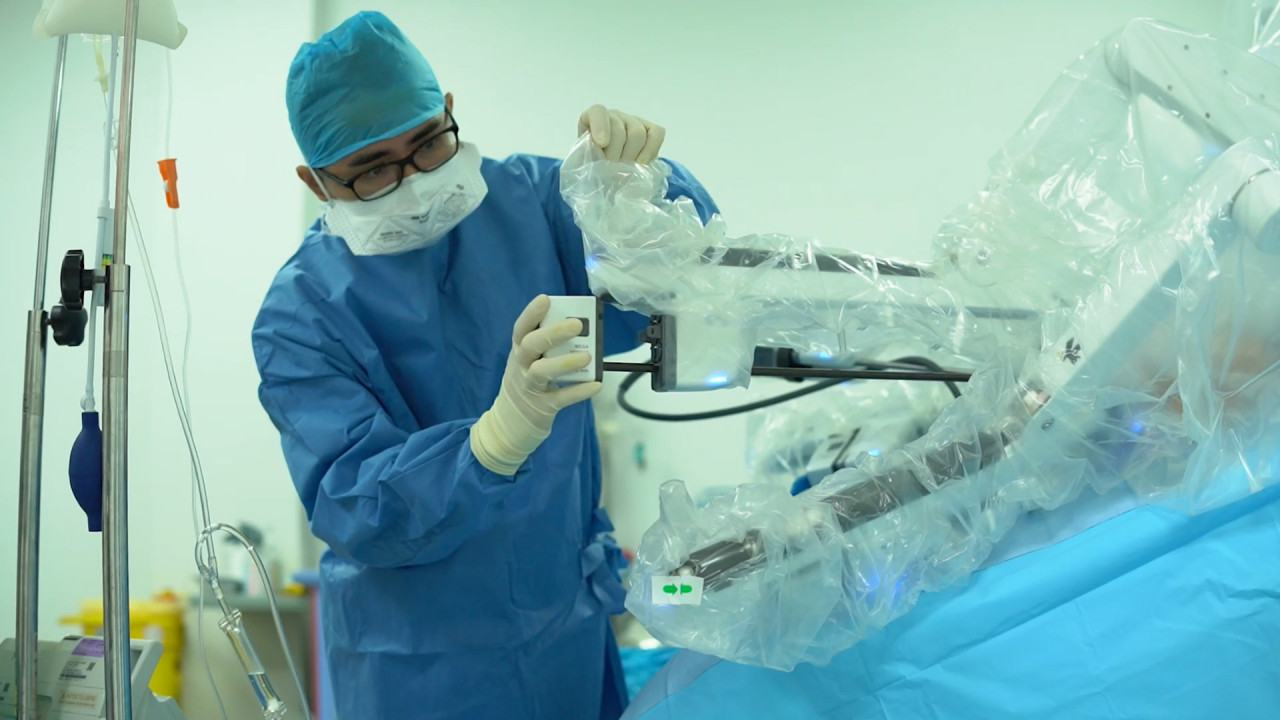
Richel Emong is a male nurse trained to assist in robotic surgeries at Sunway Medical Centre, Sunway City and his journey to becoming one was quite a feat.
“As an operation theatre nurse, I assist surgeons in eye and robotic-assisted surgeries. I also take care of patients throughout the journey of a surgery. In September 2016, I was lucky to be chosen to train in robotic surgery when the hospital brought in the da Vinci Si robotic system.
"I was trained in-house before being given the chance to attend training in the Robotic Training Centre in South Korea circa 2017,” Richel explains.
It’s a rare speciality, being an Operation Theatre (OT) nurse trained in robotics, and Richel shares that it comes with its challenges as well.
“I once assisted in a robotic surgery that lasted 12 hours because it was a very challenging surgery. The long hours standing wore me out physically, but I had to train myself to focus and keep calm because I was assisting the surgeon himself.
“While most people think that a nurses’ role is quite straightforward, it really isn’t and there are times when we will need to multitask to provide the best support and care for doctors and patients alike.”
Despite the challenges, Richel says that he is grateful for his family who is understanding of his career choice.
Helping patients find hope through stem cells
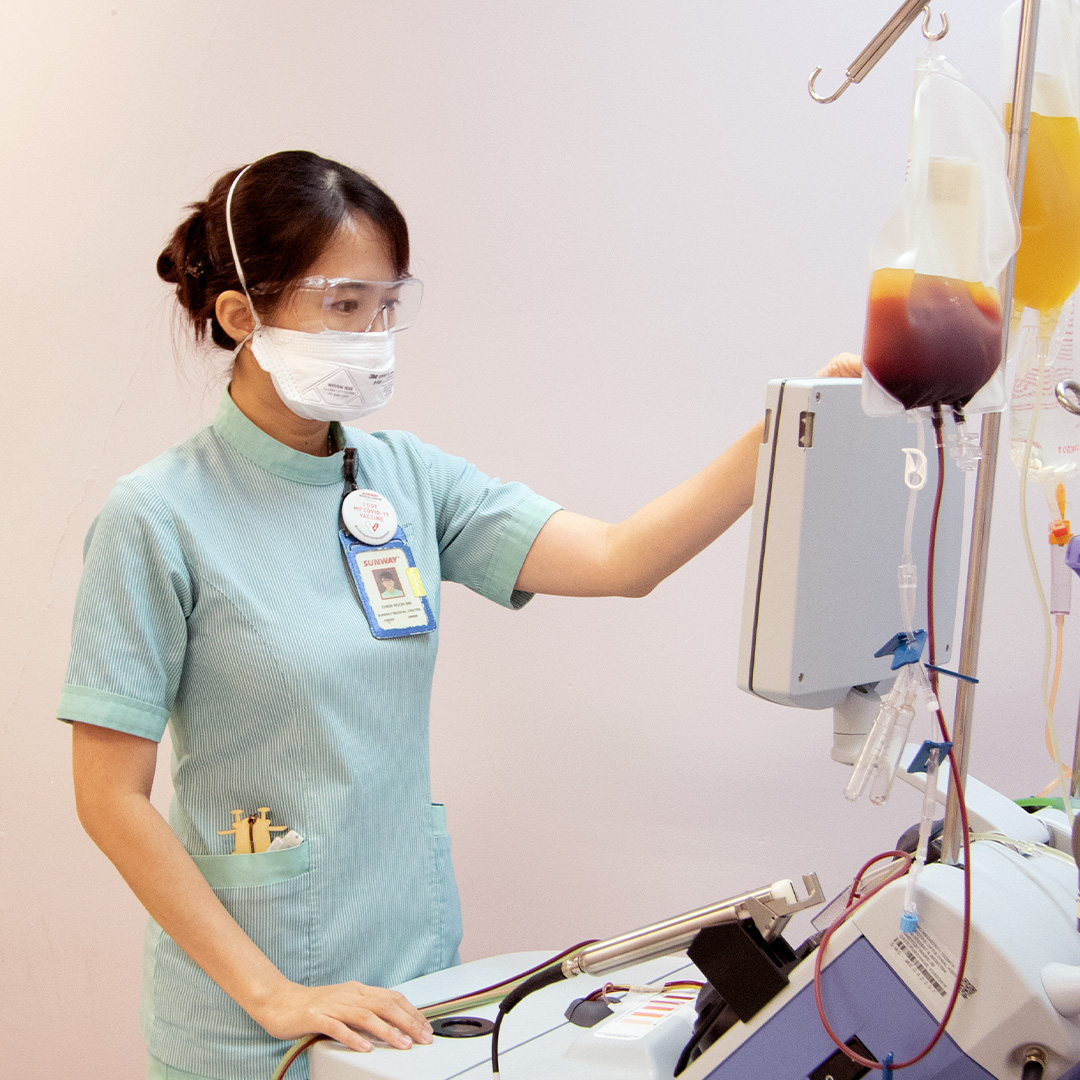
Chew Roon Sin started her career as a nurse in the medical-surgical ward, which nursed cancer patients here at Sunway Medical Centre, Sunway City. Nursing cancer patients was a tedious task, but being able to tend to their needs and knowing the care given relieved their pain or discomfort gave her a great sense of achievement.
So, when Chew’s previous manager offered an opportunity to specialise in haematology transplant or what we know as stem cell transplant, she volunteered herself to learn.
Most of the patients Chew meets in the Haemato-Oncology ward are patients with a form of blood cancer. She communicates with the transplant coordinators to arrange for the patient’s treatments and would also work with patients themselves or stem-cell donors to conduct a stem-cell extraction process.
“In the past, stem cell extraction was a process that needed to be done surgically, but with medical advancement, these processes can now be done in a ward, using a machine manned by specialised nurses. There are two types of transplants, Autologous and Allogeneic.”
She feels like the greatest contribution of a nurse is being there for their patients. They are the ones who are the first to detect abnormalities when symptoms present themselves, and alert consultants to carry out immediate nursing interventions before the patient ends up with serious complications.
They also build rapport and gain trust from patients and family members throughout their stay, enabling patients to share their thoughts and feelings during the treatment process.
“The patients I see are those that have a life expectancy. We see them find hope through the treatment process and while it’s great to see their life getting extended for months or years if the outcome is positive; there is no denying that some patients don’t have good outcomes and they eventually pass away,” she says soberly.
Helping patients through critical moments
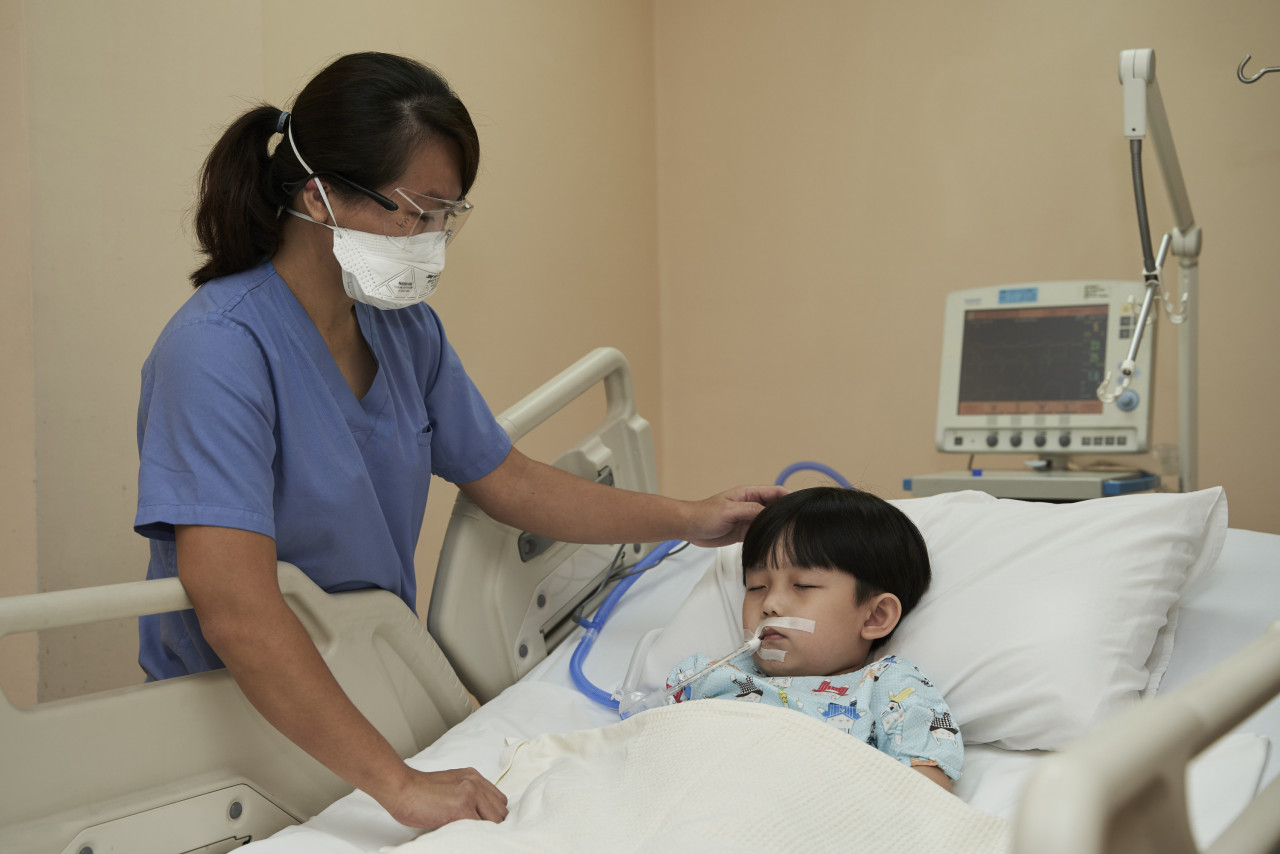
Citing how things move really fast in the High Dependency Unit (HDU), Sunway Medical Centre’s HDU ward nurse Chung Kah Yung shares that she’s been working in a private hospital multidisciplinary Intensive Care Unit (ICU), which caters from neonate to adult for 17 years.
“I was allowed by my seniors and doctors over the years to learn and be exposed to neonatal and paediatrics in the ICU. It was my responsibility to take good care of the patients assigned to me.
“From serving medications, providing for their basic needs, to monitoring their vital parameters; I usually let my patients rest as much as possible and perform as needed procedures with the ultimate aim of helping them recover and be transferred out from the ICU,” says Chung, who leads a team of nurses on her shifts.
Nurses in the critical care wards are usually assigned to one patient per nurse as they have to monitor the patient’s condition closely. They are also the doctor’s second hand, so if the doctors require a blood test or any other procedures to be done on the patient, the nurses in these wards arrange for the procedures and keep the doctors constantly updated on the patient’s condition.
When it comes to children patients who are placed in critical care, Chung says that her experience is what helps her to monitor the child closely and detect any abnormalities.
“I learned a lot from my seniors previously. For example, there was a case of a child who came in through Accident & Emergency (A&E) at night, and when I took over the morning shift, I was assigned to care for her with a senior nurse.
“However, suddenly the child’s vitals shut down and she was impending arrest. Our team of doctors and nurses had to resuscitate her, put her on life support and then wait for her to enter surgery. I wasn’t familiar with how to operate the life support machine then, but being able to watch my senior do it was a real learning experience.”
She hopes more people can join the healthcare system as nurses to keep the pillars of the healthcare system strong.
Taking care of patients at home
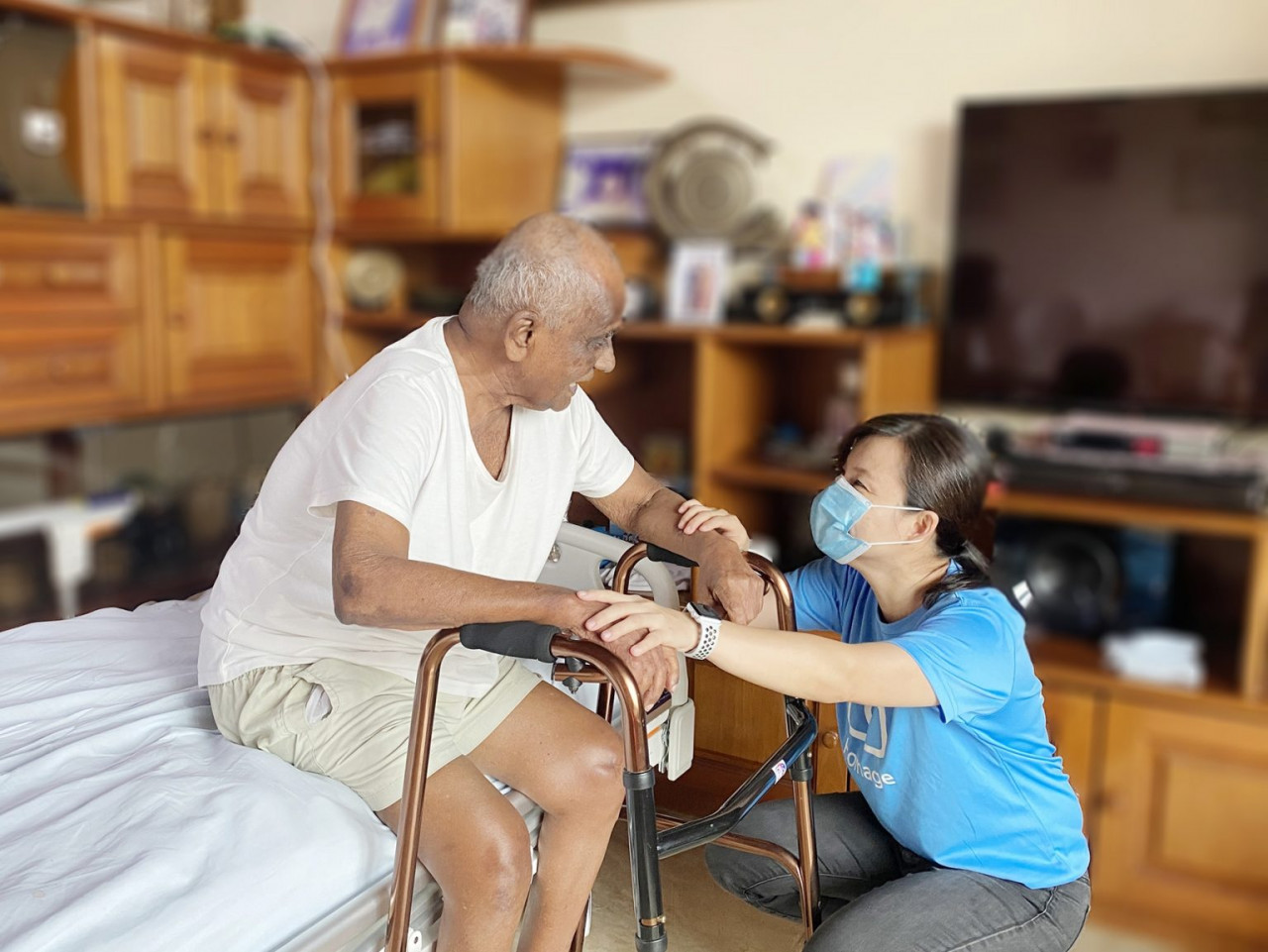
Homage Malaysia is rooted in providing healthcare services straight into patients’ homes, especially those who need care, but not necessarily the 24/7 care (and expense) a stay at the hospital would provide.
“So what we do in Homage is we actually bring tech, so we bring in the closest care professionals that are nearest your vicinity and send them to your home,” said Gan.
“So that way I don’t need to bring somebody from the other end of KL to, for example, Klang, so that’s where the whole tech and being geolocated is so important in bringing people in the shortest time possible, and closest vicinity possible.”
However, in the last couple of years, mental health has become a bigger concern. The taboo around discussing this issue is still around and is very much generational.
“I think since the lockdown, since the pandemic, where everyone was stuck at home, this topic of mental health surfaced and I think at the end of the day it’s all about creating sustainable wellbeing.”
Especially when it comes to taking care of the elderly, where the responsibility falls on the ‘sandwich generation’: people who have to care for their parents, while having to provide for their own immediate family. The idea of seeking outside help and support is not something that is immediately apparent.
“I think the society’s perception of what we must do, what we must be is creating that barrier. I think people are getting more depressed because of all these burdens that they have to carry themselves.
“No one has actually said that you can’t get help, so I think to me that it is about sustainable wellbeing and that it is OK to get help, it is OK to have self-love first,” added Gan. – The Vibes, May 12, 2022