IT'S sometimes bandied about that enough food is grown globally to feed everyone now and into the future. Undernourishment is ‘just a distribution challenge’. And it’s mostly true: enough kilojoules do and will be harvested in just the top ten global crops, which account for more than 80% of all calories. We will grow an extra 14,000 trillion kilocalories (around 59,000 trillion kilojoules) by 2030.
But while distribution is certainly one challenge, under the hood things are not so simple; all harvested crops are not for direct food consumption.
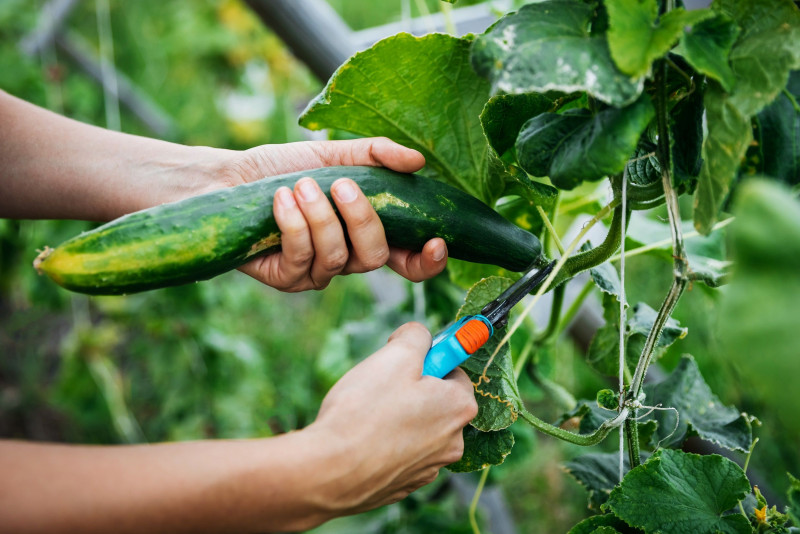
Crops are often consumed with little to no processing, such as apples from the tree and tortillas made from the flour of a wheat or maize crop. But there are another six reasons crops are grown: animal feed (for dairy, eggs and meat production); the food processing industry (think high fructose corn syrup, hydrogenated oil and modified starch); exports (to countries that can pay); industrial use (think ethanol, bio-diesel, bagasse, bio-plastics, and pharmaceuticals); seeds; and then there are crop losses. These last two categories are relatively small, though in the 2010s crop losses were still relatively high in Africa.
The second United Nations Sustainable Development Goal (SDG) is to end hunger and provide nutritious and sufficient food (that is, sufficient calories) to all people, all year round, by 2030. This is a huge target: up to 828 million now do not get sufficient quantities of food each day, mostly in Asia and Africa. The number of undernourished people globally has risen since 2015 and has been intensified by Covid-19.
Since the 1960s, the fraction of crops harvested for direct food consumption has decreased. Those grown for other usages, especially those for processing, exports and industrial usage, increased. In addition, yields of food crops have remained persistently lower and are increasing at a slower rate. Industrial-use crops are currently twice as productive as food crops.
We seem to be on target to a situation when only around a quarter of the calories harvested globally in 2030 will be for direct food consumption. A third may feed livestock and be used in the food processing industry; 15% may get diverted to industrial usage; and around a fifth will be exported.
Only in the continent of Africa are crops predominantly harvested for direct food consumption. Even in countries with massive numbers of undernourished people, such as in India, harvests are moving away from crops for direct food consumption. Specific regions around the world have specialised into harvesting crops for usage other than direct food consumption, quite different from how the world was 50 years ago.
People with insecure access to food are being left behind, especially where they are also trapped in poverty. Agriculture is responding more to the demands of a growing global middle class and its alternative crop uses; agriculture is working less for the undernourished and the poor.
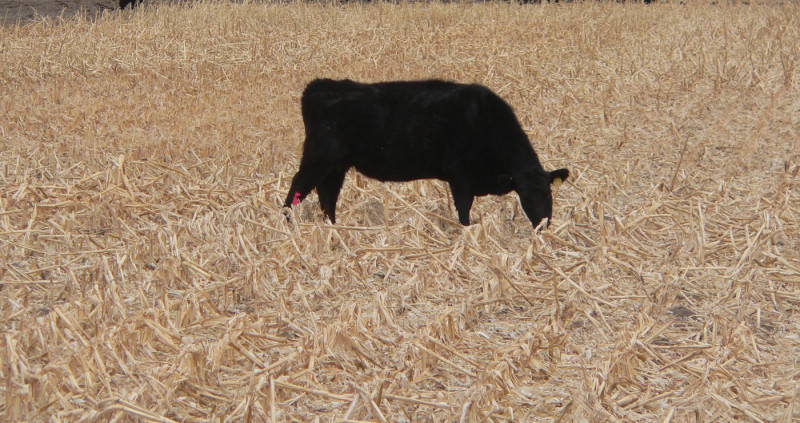
So how can the world solve the food insecurity challenge? Much of the corn (maize) harvest in the United States goes to alternative uses and so diverting it to food-insecure nations seems obvious. But that corn is not a variety suitable for human consumption. And what will then happen to livestock farmers or those working in the industries that require this raw input? The thinking that the world has and will have enough calories to feed everyone is a chimera: all harvested crops are not for the same use even when the crop is the same.
Alternately, we can increase crop production. This is continuously happening, but at what cost? In Brazil, mapped locations of loss of natural landscape appear to coincide with where crops are grown for the food processing industry. In Indonesia and Malaysia it appears to have been for the export market.
Organisations and governments are striving to increase yields (ostensibly of food crops) in food insecure countries. But the often-touted ‘yield-gap’ – the difference between the best performing countries and others, when factors such as climate and soils are taken into consideration – is somewhat misleading. American maize yields are several times those in Africa. But it is used for animal feed, processing and industrial usage versus food in Africa. When higher profit can be made from alternative uses, it will happen.
So in reality countries with food-insecure populations and with poverty will have to fend for themselves or import food crops. But how will that be even possible? Will they be able to compete in the open market? Or compete for donations? To grow food for food-insecure countries, will a farmer in Minnesota be forced to switch from corn to wheat? Will a wheat farmer in Western Australia or the UK be asked to try a new crop? Will a sugarcane farmer in India be forced to grow rice?
These are tricky questions, but the development of high resolution maps showing the purpose of harvesting our lands and how it changed over time and its trajectory will help us manage multiple purposes: of reaching the second SDG; profitable agriculture for our farmers; supporting the middle class, and the agri-industry.
Fraction of harvested crops used for food
Otherwise, at current rates of yield improvements in food crops, 31 countries will likely not be able to sufficiently feed their population from within-country crop production by 2030. Another 17 countries will likely not be able to feed their expected extra population in 2030 from their within-country crop production.
We also do not know the lingering effects of Covid disruption, the war in Ukraine, regime change and conflicts in Afghanistan and elsewhere, and climate change on food security in 2030. The World Food Program estimates that currently 811 million people are hungry and the Food and Agriculture Organization projects that 670 million could be hungry in 2030. These numbers are around 200 million higher than the mapping showed. So even with all the uncertainties, the mapping may undervalue the difficulties.
The UN Sustainable Development Goals were agreed in September 2015 by 193 nations – the entire world. In 2022, we are nearly half way through to the goal year of 2030. Eight percent of the world population is predicted to be hungry in 2030, which is the same as when the SDGs were launched. Given the way things stand, without an extra effort in the 50 or so challenged nations, the world will together fail to end hunger. Elsewhere it is the relatively ‘simple’ matter of crop use and distribution. – The Vibes, September 27, 2022
Deepak Ray is a senior research scientist at the Institute on the Environment, University of Minnesota, which funded this research. He conducts research on issues concerning world food security. His works have been published in some of the top global scientific journals and many are highly cited. He can be followed on Twitter @RayDeepakK
Published under Creative Commons and in partnership with 360info.org