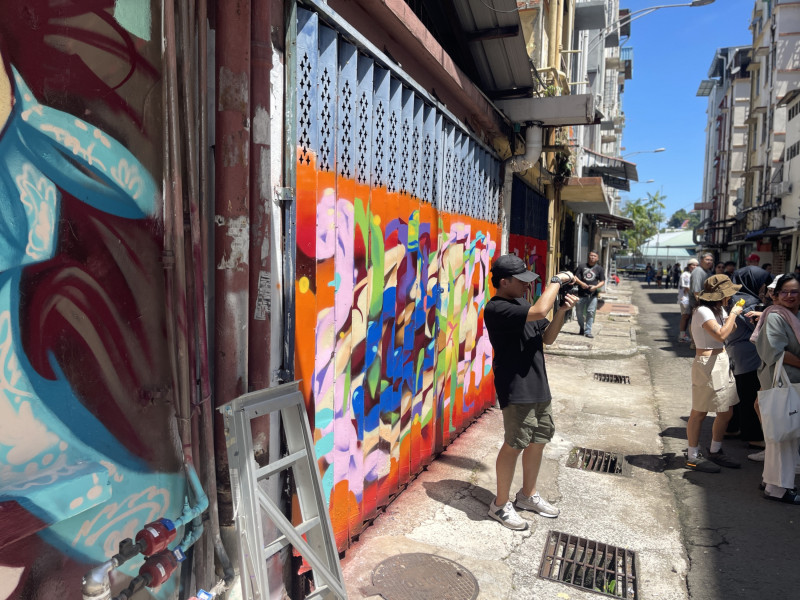
SABAH’s streets have become vibrant canvases, with stunning murals transforming once-plain walls in Kampung Air and Jalan Pantai into breathtaking works of art.
These murals don’t just beautify the city — they are symbols of Sabah’s creativity and spirit.
But a troubling question lingers: Are Sabah’s local artists being overlooked in favour of outsiders with bigger platforms and better exposure?
Take The Dreamer, Sabah’s largest mural, for instance. Sponsored by CelcomDigi and brought to life by Wilson Ng, the mural is a striking celebration of Sabah’s identity.
Yet even Ng, a Sabahan artist, had to establish his career outside the state to secure this kind of opportunity.
The talent gap — or exposure gap?
Sabah isn’t short of talent. The state boasts artists with immense skill, but many struggle to gain recognition locally. Unlike their Peninsular Malaysian counterparts, who have access to a wider audience and established networks, Sabah’s artists often remain in the shadows.
“It’s not that we’re not as good,” said one local artist who has assisted on several large-scale murals.
“It’s just that we don’t have the same exposure or connections. Companies in the peninsula know the artists there, so they hire them — even for projects here in Sabah.”
This preference for Peninsular-based artists creates a frustrating dynamic.
Some companies bring in these artists or their agents to oversee Sabah projects, and only involve local talent as ‘helpers.’
Even worse, the artists from the peninsula often started out as Sabahans who left to make it big.
“We’ve seen it happen before,” the artist added.
“A Sabahan makes a name for themselves in Kuala Lumpur or overseas, and only then do they get called back to work on projects here. Meanwhile, those of us who stay are left scrambling for smaller jobs or just assisting them.”
Unequal pay and questionable practices
While the murals themselves might be priceless in their beauty, the pay often tells a different story.
Many Sabahan artists report earning as little as RM1,500 for days of physically demanding work.
By contrast, larger contracts often fetch hundreds of thousands of ringgit — money that flows to agents and Peninsular-based artists who secure the deals.
“The agents and their artists set the terms, and we just get called in to help out,” said Cracko, a prominent muralist from Sabah.
“It’s not even about skill — it’s about who has the right connections. We’re good enough to do the groundwork, but the big money and recognition go elsewhere.”
This situation also raises questions of legality and fairness. Many local artists work without contracts or formal agreements, often taking on jobs as favours to friends.
“Because it’s not formalised, we don’t have the leverage to demand fair pay or proper safety measures,” Cracko added.
“If something goes wrong — like an injury while working on scaffolding — it’s entirely on us.”
Sabah artists left behind
The issue isn’t limited to money. The reliance on Peninsular artists and their agents sidelines Sabah’s homegrown talent, reducing them to assistants or backup options.
This trend has persisted even as international projects like Street Strokes bring global graffiti stars to Sabah, further highlighting the disparity.
“Sabah has artists as skilled as anyone in the world,” said local artist Rosmaini Sunarjo.
“But we lack exposure. The artists in Kuala Lumpur have more opportunities to showcase their work, build their reputation, and form relationships with big companies. That’s why they’re hired more often—even for projects here.”
Rosmaini pointed to successful Sabahan artists like Red Hong Yi, who gained international acclaim for her innovative works, and Kenji, another celebrated name.
“But look where they are now — they had to leave Sabah to make it. They’ve achieved so much, but they couldn’t have done it while staying here.”
The art of branding
Murals have become more than just art — they’re marketing gold.
Edgy, Instagrammable, and cool, they align perfectly with brands looking to connect with younger, creative audiences.
“Companies aren’t sponsoring murals just for art’s sake,” said a marketing expert.
“They’re aligning themselves with the cultural cachet street art brings. It’s branding, pure and simple. But if the brands and agents are profiting, the artists creating the work should too—especially local artists.”
A way forward
Sabah’s art scene is thriving, but it’s also at a crossroads. Without fair pay, proper representation, and opportunities for local artists to lead projects, the state risks losing its talent to more supportive markets.
Rosmaini believes change must start with recognition. “Art isn’t just decoration; it’s heritage, storytelling, and identity. Companies and the government need to see that and invest in local talent. If we don’t, how can we expect to grow?”
Safety is another pressing concern. “Murals aren’t painted at ground level. We’re working on scaffolding, sometimes without harnesses or proper gear. If a company is profiting from our work, the least they can do is ensure we’re safe,” Rosmaini added.
The big picture
Sabah’s murals are more than just pretty walls—they’re visual narratives of the state’s culture and creativity. But behind the vibrant colours lies a complex and often unfair ecosystem.
If Sabah wants to retain its artistic talent, it needs to address the pay disparities, the reliance on outsiders, and the lack of opportunities for local artists to shine.
The next time you stop to admire a mural or snap a photo, remember the artists behind it. Their work isn’t just beautifying the city—it’s shaping Sabah’s identity even when they are not getting the glory from all of these.
And they deserve to be recognised for it. – January 23, 2025