ON a quiet hill in Penampang, where families have lived for generations, a battle over land, memories, and faith is quietly unfolding.
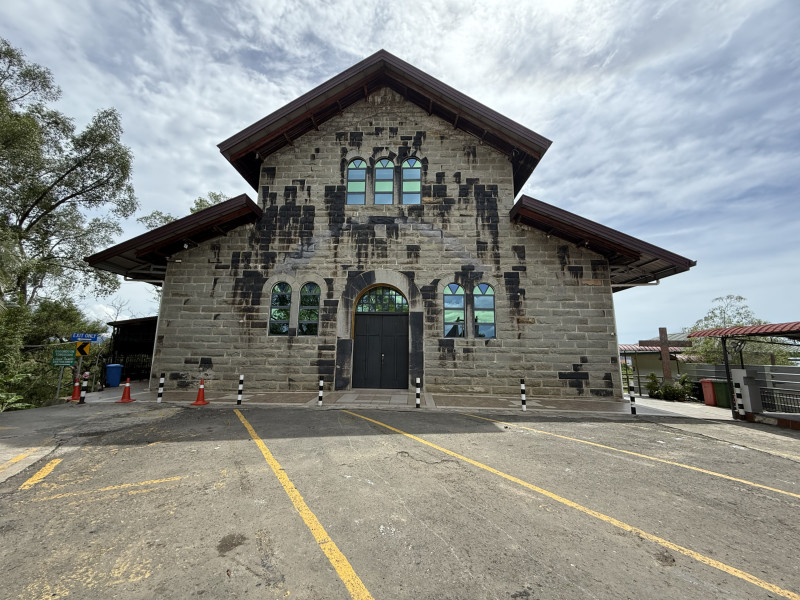
At the heart of the dispute is St Michael’s Church, a historic Catholic landmark completed in 1947 after years of painstaking construction — its stone walls built from rocks cut by hand in the aftermath of World War II.
The missionaries who first set foot in Penampang in the 19th century could hardly have imagined that, decades later, the church they established would become the centre of a growing divide within the very community that once welcomed them.
Today, controversy swirls over a committee’s decision to expand the church’s cemetery grounds, reopening burials that had ceased in the 1960s when the site reached full capacity.
For villagers in Kampung Dabak — many of whose families have lived here for six generations — the plans have reopened old wounds about land, belonging, and who truly has a say in the future of this sacred place.
A small group who is fighting for the preservation of St Michael’s Church has petitioned against the move, arguing the grounds should be preserved as a heritage site, not sold off for high-priced burial plots.
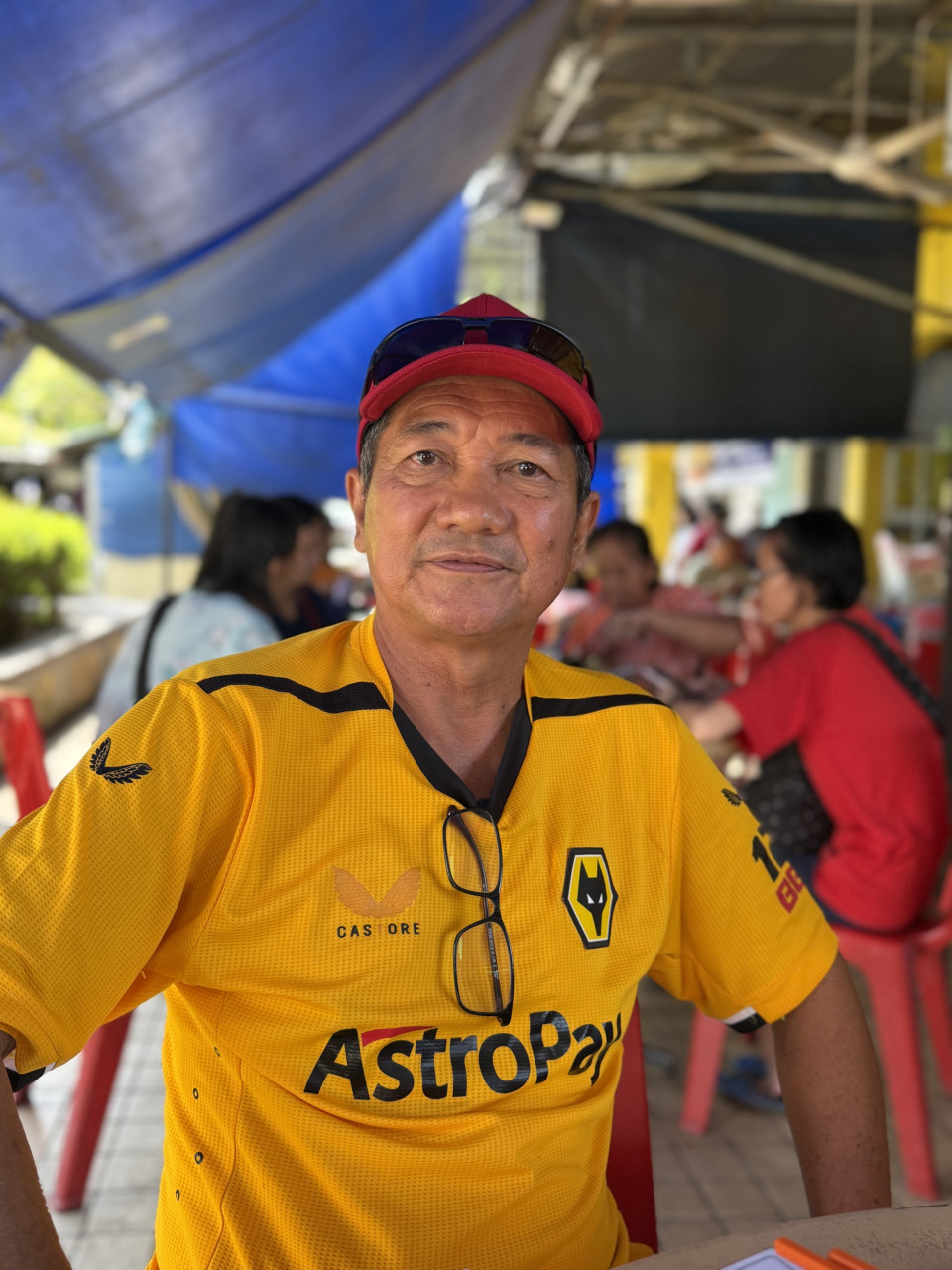
“We are not against the church,” said Gerald Gom, a retired government servant and landowner whose family has lived near St Michael’s for decades.
“But many are scared to speak because they don’t want to be seen as going against the church,” he said.
The fear is not just among ordinary villagers, but also among local leaders and politicians, who are wary of challenging the authority of one of Sabah’s most historic parishes.
One voice who has chosen to speak is Datuk John Ambrose, a political figure and landowner whose property borders the church grounds.
“We were not properly consulted. If you build a cemetery here, my land value will go down — who is going to pay for that?” he said.
Ambrose stressed that the issue was bigger than politics.
“This isn’t about politics. It’s about respect — for the land, the people, and the process.”
The friction has been building for years.
In September 2022, residents staged a small protest to oppose the cemetery’s expansion. An online poll later recorded 570 residents opposing the plan, compared to just 44 who supported it.
In March last year, Kampung Dabak village chief Severin Wong submitted a formal objection letter to Sabah’s Local Government and Housing Minister, Datuk Seri Dr Joachim Gunsalam.
Despite the outcry, the Penampang Municipal Council raised no objections, and work has slowly begun.
After Easter Sunday this year, lorries carrying construction materials were spotted moving in and out of the church compound, confirming residents’ fears that the project had been quietly set in motion.
The proposed expansion covers a sloping plot of land directly below the main church building.
Part of the plan involves reconstructing some of the older graves and adding 246 new burial lots — each expected to sell for between RM20,000 and RM30,000.
Opponents warn that the project risks not only changing the physical landscape but also eroding the cultural and communal identity that has tied Kampung Dabak to St Michael’s for generations.
Village chief Severin Wong, whose family roots goes back to even before the church was built, still remembers how villagers once helped and welcome the early missionaries that subsequently built the church.
But today, he sees a growing disconnect between the institution and the community it was meant to serve.
“There is no need to expand,” Wong said, recalling how even a former parish priest ordered there would be no more burial on the slopes of the church grounds some time in 1965.
Following the plans to expand the cemetery ground, Wong said he had stopped attending prayers at St Michael’s altogether — despite living within walking distance of its bell tower.
He is not alone.
Several villagers have quietly shifted to other churches, unwilling to worship in a place where they feel their voices have been overlooked.
“People are afraid to be seen as disrespecting the church. But their silence is their way of expressing their opposition,” he said.
Landscape architect Eric Ye, another critic of the project, said alternative solutions could have been considered — solutions that would protect both the church’s heritage and the surrounding environment.
Ye also owns a plot of land near the church.
“We’re not against the idea of a cemetery. But there are much better ways they could have planned it — ways that respect the community and think about what this place should be 50 or 100 years from now.”
Ye also raised concerns about land use, noting that the area is zoned for places of worship, not commercial activity.
“There’s a conflict of land use here. As far as we know, the land use has not been updated or changed,” he said.
Critics argue that selling burial plots introduces a commercial element that sits uncomfortably with the church’s spiritual mission.
Adding his voice to the debate, Penampang Tourism Association president Benjamin Golimbi urged leaders to take a longer view of what St Michael’s represents.
“St Michael’s isn’t just another church. For many of us in Penampang, it’s a special place, full of history, memories, and meaning.
“I completely understand why families would want their loved ones buried near the church. That connection is deep and personal, and I respect that.
“But maybe we could also think about the bigger picture.
“If the cemetery keeps expanding too much, it might slowly change the look and feel of the church grounds. And in the long run, it might make it harder to preserve the area as a historical or tourism spot,” he said.
Despite efforts to seek comments, the church committee behind the expansion plans has not responded.
For many in Kampung Dabak, the conflict has shaken not just their trust in leadership, but their sense of belonging to a church that once stood as a symbol of unity, faith, and community. - April 28, 2025