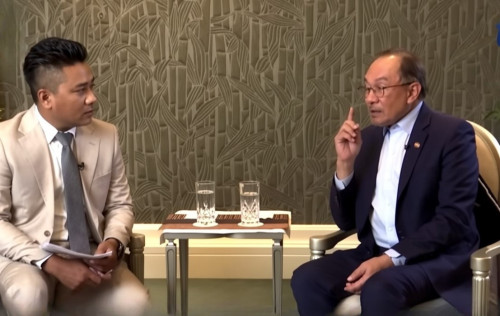
MALAYSIA’S tenure as ASEAN Chair in 2025 is marked by a deliberate pivot towards pragmatic, trade-oriented diplomacy, with Prime Minister Datuk Seri Anwar Ibrahim positioning the regional bloc as a neutral force seeking economic collaboration while avoiding major power rivalries.
Malaysia’s chairmanship comes at a critical juncture, coinciding with its hosting of the inaugural ASEAN–Gulf Cooperation Council (GCC)–China Economic Summit — a move seen as a response to increasing global appetite for multilateralism over polarising alliances.
Dr Julia Roknifard, senior lecturer at Taylor’s University School of Law and Governance, said ASEAN and the GCC are not attempting to replace one dominant power with another. Instead, they are seeking to forge a new equilibrium through cooperative regional engagement.
“China, aware of the risks of foreign entanglements, has intentionally avoided the aggressive tactics seen in other parts of the world, including economic coercion or military interventions,” she said in a statement.
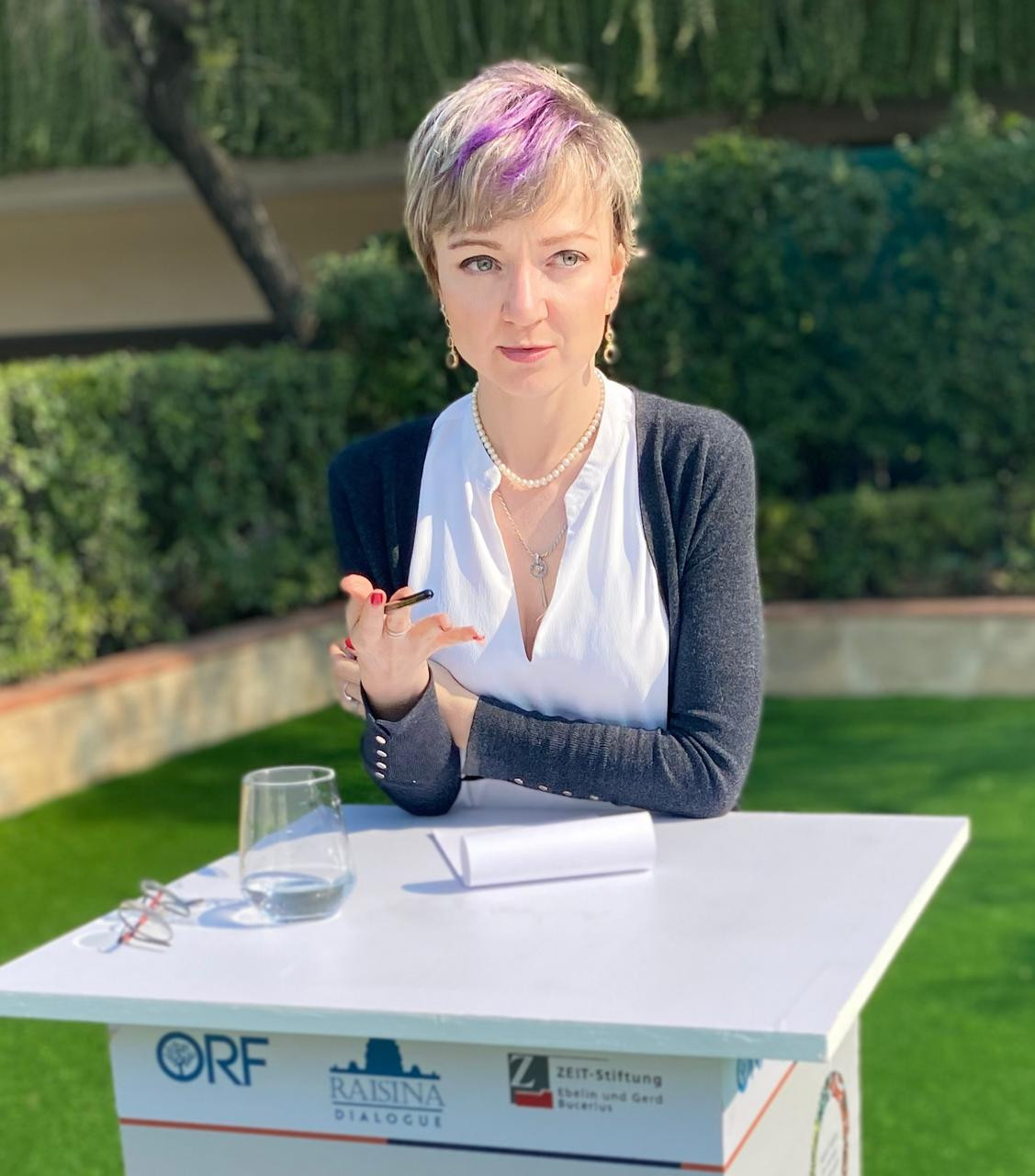
Roknifard, an expert in Middle Eastern affairs and international security, added that confrontational strategies such as military intervention and coercive economic policies have largely failed to deliver stability — pointing to examples such as nuclear proliferation and enduring territorial conflicts.
She argued that growing geopolitical tensions, coupled with destabilising behaviour by certain global powers, have fragmented the international order and disrupted global trade systems.
“In response to these shifts, regional blocs like ASEAN, the GCC, and China have distanced themselves from what is increasingly perceived as self-destructive behaviour by the United States.
“These organisations are not formal alliances, but pragmatic collaborations designed to enhance their collective leverage against larger powers,” she noted.
Together, ASEAN, the GCC and China represent a combined population of more than two billion people and control significant energy, commodity, and manufacturing capacities. China, in particular, brings advanced technological capabilities, especially in electric vehicles and renewable energy.
While acknowledging the uncertainty surrounding the shape of a truly multipolar world, Roknifard said the trend is unmistakable — regional groupings and intergovernmental frameworks are emerging as new centres of influence, focused on protecting their interests and reducing dependence on dominant external powers.
“In the short term, such cooperation is expected to help mitigate trade and supply chain disruptions, offering hope for greater stability and economic cooperation,” she added. - May 20, 2025