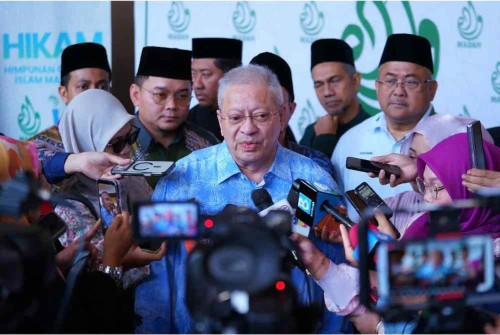
THE Ministry of Communications, through the Malaysian Communications and Multimedia Commission (MCMC), is actively monitoring service providers including Astro to ensure subscribers are given clear and transparent information before entering into contracts, the Dewan Negara was told on Thursday.
Communications Minister Datuk Fahmi Fadzil said enforcement is carried out under the General Consumer Code 2022, which requires service providers to inform subscribers of all relevant terms and conditions before any agreement is finalised.
“This covers both consumer obligations and the implications of non-compliance,” he said.
Fahmi was responding to a question from Senator Azahar Hassan on the steps being taken to ensure transparency by Astro before contracts are signed by small traders.
He warned that failure to comply with the General Consumer Code could result in prosecution under Section 242 of the Communications and Multimedia Act 1998, carrying penalties of up to two years’ imprisonment, a fine of up to RM100,000, or both.
At the same time, the minister stressed that consumers also bear responsibility to exercise due diligence before subscribing to any service.
This includes understanding the commitment period, usage limits, additional charges, service coverage and the consequences of early termination.
Asked whether the ministry would consider directing Astro to issue warning notices before taking legal action against small traders who may be unaware that their premises fall under commercial broadcast rules, Fahmi said such actions are ultimately commercial decisions governed by contractual terms.
“Astro offers two main subscription packages: a commercial package for business premises with public viewing rights, and a residential package for private, in-home viewing only,” he said. “The prohibition of using the residential package in commercial premises is detailed in clause 3.7 of Astro's residential terms and conditions,” he added.
Responding to a supplementary question on MCMC’s role in overseeing Astro’s contributions to local content production and job creation in the creative sector, Fahmi clarified that the government no longer imposes mandatory quotas for new broadcast licences.
“This policy matter arose in discussions during the Asean Reciprocal Trading Agreement (ART),” he said, adding that the current regulatory approach reflects commitments made under regional trade arrangements. - December 18, 2025