THE nation is preparing to introduce a historic political reform that would cap the tenure of the prime minister at two terms or ten years, a move analysts say could transform governance, strengthen policy implementation, and curb the concentration of executive power.
Universiti Sains Malaysia political sociologist Prof Datuk Dr Sivamurugan Pandian told the Star that the reform would encourage “clearer prioritisation, discipline and delivery of reforms within a defined timeframe.”
He cautioned, however, that without robust institutions, independent oversight, and bipartisan agreement on key national policies, “it could reduce policy continuity unless accompanied by strong institutional frameworks and bipartisan consensus on major national policies.”
Political scientist Prof Wong Chin Huat of Sunway University described the term-limit proposal as a mechanism to prevent personality cults, dynastic politics, and abuse of authority, while compelling prime ministers to maximise achievements within a defined tenure.
“The opposition has no reason to oppose this unless they are 100 per cent certain that they and their preferred prime minister candidate will win the next general election,” he noted.
Transparency International Malaysia president Raymon Ram emphasised that the reform must form part of a wider governance framework.
“On its own, the reform cannot correct structural weaknesses in oversight, enforcement, or political financing,” he said, underlining the need for complementary measures such as the separation of powers for the Attorney-General and stricter regulation of political funding.
Echoing the views presented by the academicians, Pushpan Murugiah, chief executive officer of the Center to Combat Corruption and Cronyism, added that limiting the prime minister to two terms discourages crony networks and reduces the risk of excessive entanglement between political leaders and business interests, a strategy employed in advanced democracies worldwide.
The initiative has drawn support from leading political figure.
Penang Chief Minister Chow Kon Yeow on Monday, described that the proposed bill as “one of the most important institutional reform measures to strengthen democratic practices and ensure that the nation’s governance is conducted with greater transparency and integrity.”
He highlighted that Penang had previously introduced a two-term limit for its chief minister through a constitutional amendment in 2018.
Meanwhile, DAP deputy chairman Nga Kor Ming also welcomed the reform, along with the proposed Freedom of Information Bill, saying the measures are “critical for establishing stronger checks and balances within the country’s institutions, while also preventing the concentration or monopoly of power in key positions.”
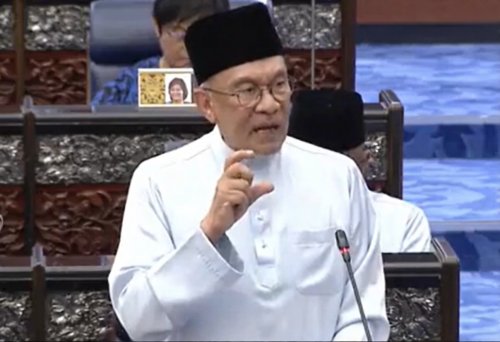
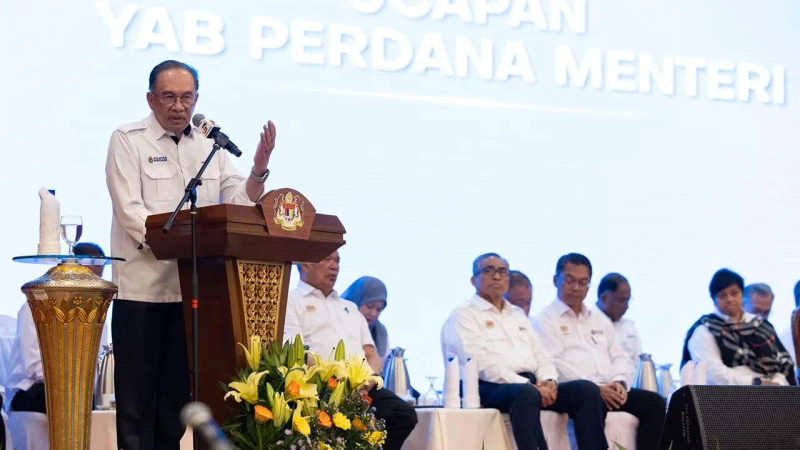
Prime Minister Datuk Seri Anwar Ibrahim announced yesterday that the tenure cap reflects the principle that leadership positions should have defined term limits to allow for orderly succession.
He added that the Freedom of Information Bill will enhance transparency and reduce the potential for abuse of power in public contracts, tenders, and government projects.
Electoral watchdog Bersih praised the proposal, suggesting Malaysia could become the first Westminster-style democracy to impose a prime ministerial term limit.
“When the prime minister’s tenure is limited, the incumbent will be incentivised to implement policies and programmes more efficiently and effectively,” said Bersih chairman Faisal Abdul Aziz.
Experts and civil society leaders agree that, if implemented alongside complementary institutional reforms, the proposed tenure cap represents a historic step towards reinforcing accountability, safeguarding democratic governance, and facilitating generational renewal in Malaysian leadership. - January 6, 2025