THE Sarawak government is intensifying its transition towards alternative energy sources, particularly hydrogen, as global diesel price volatility driven by geopolitical tensions continues to pressure traditional fuel markets.
Sarawak Premier Tan Sri Abang Johari Tun Openg said hydrogen production is expected to become increasingly cost-competitive compared with diesel, supported by advances in electrolysis technology, particularly improvements in membrane efficiency.
“Talking about hydrogen, I have done my homework together with the experts. With today’s diesel prices, the production of hydrogen will be cheaper than diesel; the electrolysis process will be cheaper because of the new membrane in the technology.
“And diesel… with all the geopolitical tension now, I don’t think it will end within this era.
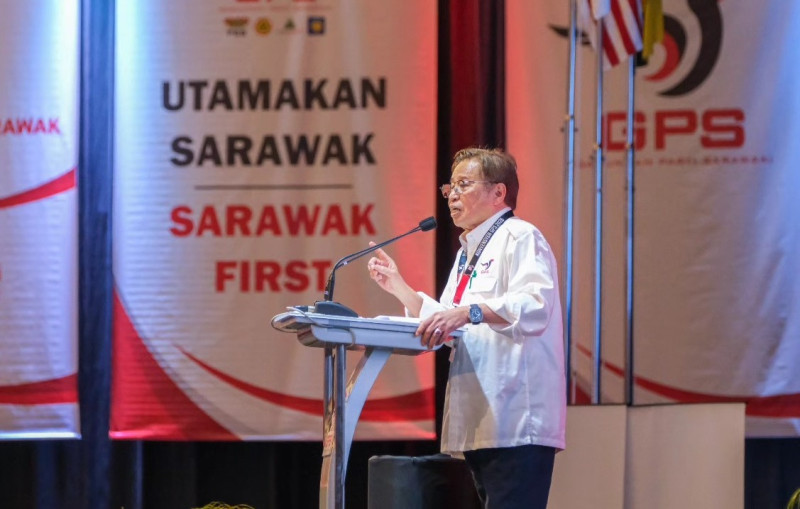
“A lot of problems will continue to arise,” Borneo Post reported him saying at a press conference during the Gabungan Parti Sarawak Convention 2026 at the Borneo Convention Centre Kuching on Sunday.
He said Sarawak was already laying the groundwork for a long-term energy transition, pointing to rural electrification efforts in Baram where diesel-powered generators had been replaced with solar energy systems.
“So, in other words, alternative energy will be used, and we are fortunate – Sarawak is already preparing itself,” he added.
Abang Johari also highlighted infrastructure improvements across the state, including completed bridge projects and expanded road connectivity, which have reduced reliance on ferry services and consequently lowered diesel consumption.
“If diesel prices go up, surely the fares will go up. But now, we can save on diesel.”
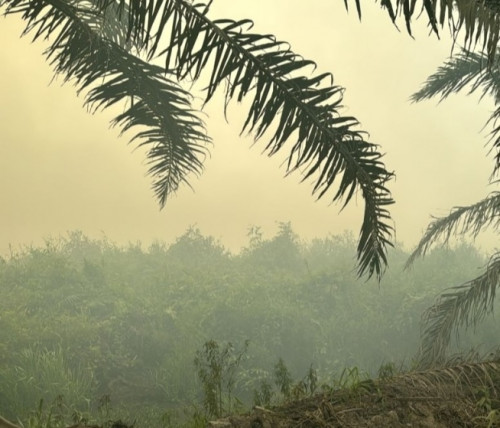
He reaffirmed Sarawak’s support for the federal government’s push to expand biodiesel usage, noting that the state’s palm oil industry provides a strong feedstock base for alternative fuel production.
“Yes, because we have palm oil. From palm oil, we produce biodiesel.
“Some people are reluctant to use biodiesel, but now, because of what has happened to fossil fuels, particularly diesel, biodiesel becomes the alternative,” he said.
Abang Johari added that once market conditions stabilise and demand strengthens, Sarawak expects biodiesel to become a key value-added product derived from its palm oil sector, complementing its broader clean energy ambitions. - April 20, 2026