By Murray Hunter
A SEEMINGLY niche trade spat over shrimp is rapidly escalating into a diplomatic irritant that could undermine the historically cordial and economically intertwined relationship between Thailand and Malaysia.
What began as reciprocal concerns over food safety has morphed into a retaliatory ban with outsized economic and political consequences, exposing deeper vulnerabilities in bilateral ties.
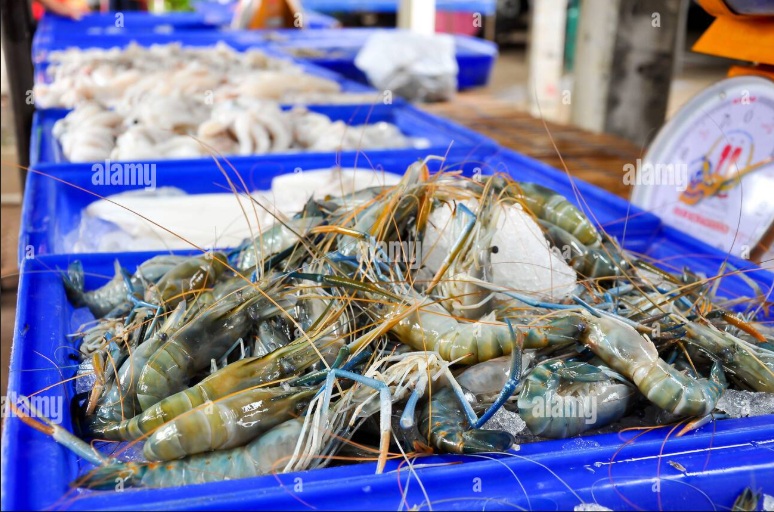
Since June 1, 2026, Malaysia has suspended imports of five key Thai shrimp species — brown tiger prawn, banana prawn, whiteleg shrimp, giant tiger prawn, and blue shrimp, while tightening scrutiny on Thai sea bass.
Malaysian authorities frame the move as a necessary food safety measure in response to Thailand’s earlier restrictions on Malaysian seabass following detections of chemical residues.
Thailand, however, sees it as disproportionate retaliation.
The economic stakes are significant. Official Thai estimates put affected monthly exports at 300-400 tonnes, but opposition figures and industry players, including People’s Party deputy leader Veerayooth Kanchoochat, warn the real volume approaches 3,000 tonnes.
Redirecting this surplus into Thailand’s domestic market risks a price collapse, hammering already struggling shrimp farmers in the south.
Thailand’s once-dominant shrimp industry has shrunk dramatically from 640,000 tonnes annually at its peak to around 270,000 tonnes today.
The industry is plagued by persistent disease outbreaks and lagging innovation compared to agile competitors like Ecuador.
Beyond immediate losses estimated in tens of millions of US dollars, the dispute threatens broader ripple effects.
The Southern Thai provinces, heavily reliant on cross-border seafood trade, face livelihood threats that could fuel local discontent.
Thailand has signalled readiness to escalate the matter to the WTO and ASEAN if bilateral talks falter, moves that risk airing grievances in multilateral forums and drawing unwanted regional attention.
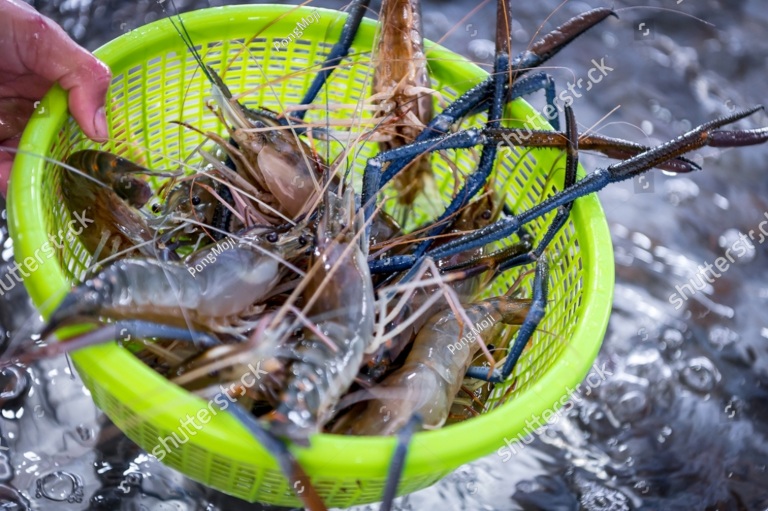
Image from www.shutterstock.com
This friction arrives at a sensitive time. Thailand and Malaysia share deep people-to-people ties, extensive border commerce, joint ASEAN initiatives, and cooperation on security and tourism.
Yet recurring trade irritants compounded by occasional nationalist rhetoric on both sides are eroding trust.
The shrimp ban highlights a number of structural issues.
Differing regulatory standards, competitive pressures in global seafood markets, and a tendency toward tit-for-tat responses rather than collaborative problem-solving.
If unresolved swiftly through quiet diplomacy, the dispute could chill investment flows, complicate border management, and foster public suspicion.
Citizens on both sides may perceive the other as protectionist or unreliable, weakening the goodwill essential for deeper integration in areas like the Indonesia-Malaysia-Thailand Growth Triangle.
Both nations have much to lose from prolonged acrimony.
Malaysia gains reliable Thai supply chains; Thailand accesses a valuable neighbouring market.
As two of ASEAN’s more developed economies, they should model mature dispute resolution.
The prawn spat is a deep warning. Small triggers can ignite larger fires when underlying economic anxieties and political sensitivities are involved.
Swift, transparent negotiations focused on mutual food safety standards and market access would not only save the shrimp trade but also safeguard the broader Thai-Malaysian partnership.
Failure to do so risks turning a manageable disagreement into a lasting dent in neighbourly relations. – June 15, 2026