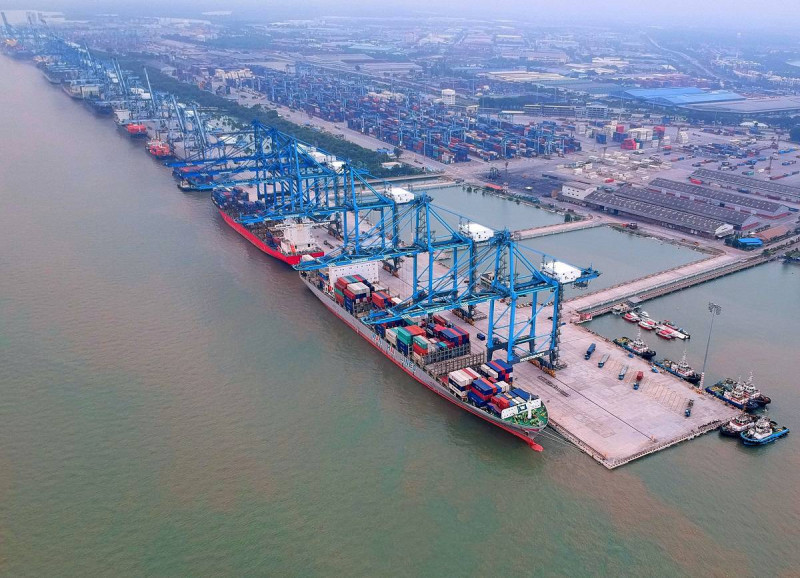
MALAYSIA is on course to have two ports ranked among the world's 10 busiest this year, reinforcing its ambitions to become one of the world's leading maritime and logistics hubs amid changing global shipping patterns.
Transport Minister Anthony Loke said the target is underpinned by plans to combine the throughput of the Port of Tanjung Pelepas (PTP) and Johor Port for Lloyd's List rankings, following the successful precedent of Port Klang and Northport being assessed as a single port complex.
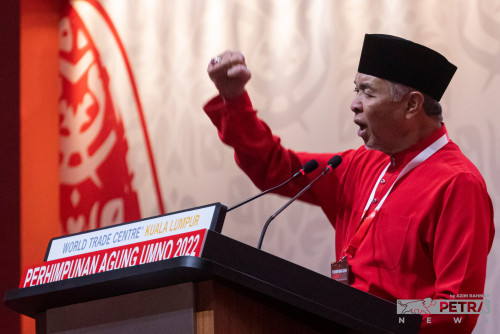
"We are confident that in 2026 Malaysia has the potential to have two ports among the world's top 10 busiest ports," he said in his keynote address at the Global Maritime Economy Conference 2026.
Loke said the achievement would further cement Malaysia's role as a major maritime nation connecting trade flows between Asia, West Asia, Europe and Africa.
He said the country's strategic geographical position should be fully leveraged to stimulate economic growth and strengthen international trade.
According to Loke, geopolitical uncertainties and disruptions to global shipping have created fresh opportunities for Malaysia to reinforce its position as a regional maritime, logistics and transhipment hub.
He noted that global strategic attention is increasingly focused on the Strait of Malacca, through which approximately one-quarter of global trade and a significant proportion of Asia's energy imports pass each year.
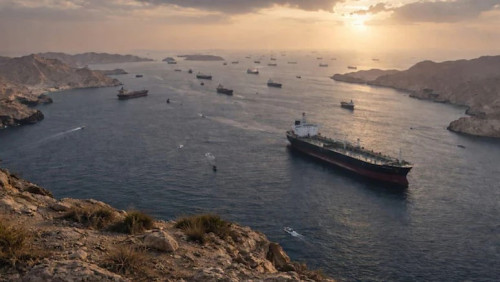
He said disruptions in the Red Sea and the Strait of Hormuz have prompted shipping companies to reassess their operating routes to avoid conflict zones and security risks.
He cited World Bank and United Nations Conference on Trade and Development (UNCTAD) data showing that the average maritime shipping route has increased from about 4,800 nautical miles in 2018 to more than 5,200 nautical miles today.
Longer voyages, he said, have led to higher fuel consumption, increased carbon emissions, rising transportation costs and longer delivery times.
"As global shipping routes are being reconfigured due to geopolitical uncertainty, we have a significant opportunity to strengthen Malaysia's position as a premier maritime, logistics and transhipment hub," he said.
Loke also highlighted the government's focus on expanding Malaysia's marine fuel supply, or bunkering, industry, describing it as a sector with substantial untapped growth potential.
Despite tens of thousands of vessels transiting the Strait of Melaka annually, he said Malaysia has yet to secure a market share commensurate with its strategic location.
To accelerate the industry's development, the Cabinet has approved the Ministry of Transport as the lead agency responsible for coordinating regulations, policies and the overall development of Malaysia's bunkering sector.
The move is intended to streamline regulatory processes, reduce bureaucratic overlap and improve coordination among ministries and agencies involved in the industry, Loke said. - June 23, 2026

.JPG)


.jpeg)