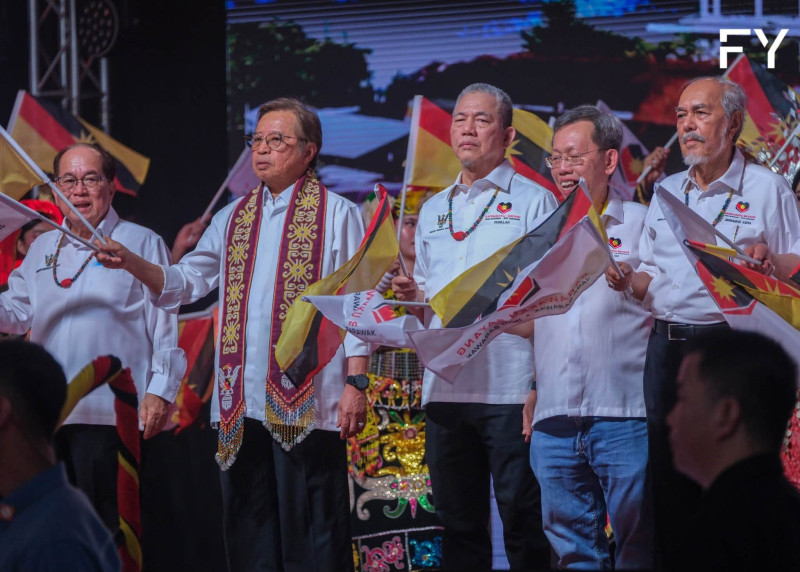
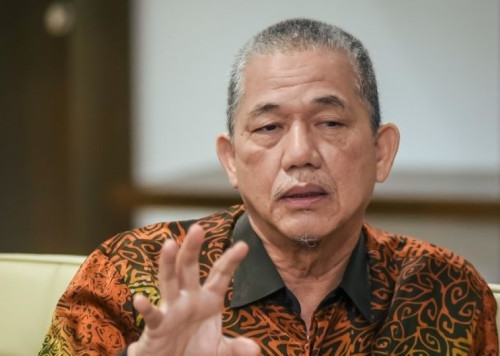
MALAYSIA will not allow extremist and radical ideologies to flourish as they pose a direct threat to the country's security, stability and unity, Deputy Prime Minister Datuk Seri Fadillah Yusof said.
He said Malaysia's strength lies in its diversity of races, religions and cultures, which must be safeguarded against narrow-minded ideologies that could divide communities and weaken the harmony built over decades.
"Malaysia is a country of many races, beliefs and cultures. We cannot afford to have extremist or radical ideologies because they can undermine the peace, stability and unity that have long existed within our society," he said.
Fadillah was speaking after officiating the 2026 Seminar on the Sustainability of Nusantara Islamic Thought at the Hikmah Exchange & Event Centre in Kuching today.
He said efforts to counter radical ideologies must begin with the development of a progressive, moderate and values-based society through a comprehensive education approach.
According to Fadillah, character-building initiatives, including moral and spiritual education based on the Quran and Sunnah, are crucial in strengthening individuals against extremist influences.
He said strong moral foundations would encourage Malaysians to embrace moderation, compassion and mutual assistance, creating a society that is more resilient against divisive narratives.
"These are the values that should be nurtured within Malaysian society so that the people will always uphold the principles of moderation and mutual respect," he said.
Fadillah acknowledged that Malaysia continues to face challenges from groups promoting extremist and radical ideologies, stressing that early preventive measures are necessary before such influences spread further.
He said all segments of society, including families, educational institutions and communities, must work together to prevent teachings that deviate from the true principles of Islam from gaining wider acceptance.
The Deputy Prime Minister II also highlighted the growing complexity of tackling radicalisation as extremist narratives increasingly spread through social media, digital platforms and various online communication channels.
He said certain groups exploit religion to promote hatred, create divisions, label others as unbelievers without proper justification and reject the moderate approach that forms the foundation of Islamic teachings.
When asked whether the Internal Security Act (ISA) should be reinstated to address extremist threats, Fadillah said the government's position on the matter had already been determined, while existing legal mechanisms would continue to be strengthened based on current needs and considerations.
He said although the Security Offences (Special Measures) Act 2012 (SOSMA) remains in force, the government must strike a balance between protecting national security and adhering to international standards and public expectations.
"However, character-building is the most effective approach, while legal action should only be the last resort," he said. - July 11, 2026







.jpeg)