By Murray Hunter
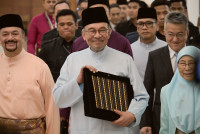
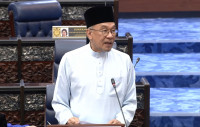
“Burung merbah terbang sekawan, Guruh berdentum membelah awan, Berbeza langkah, jangan putus kawan, Selagi muafakat, kita sehaluan” – Prime Minister Datuk Seri Anwar Ibrahim on X after his latest cabinet meeting.
The quote above lands at a moment when long-simmering undercurrents are finally surfacing.
One does not need to be a staunch supporter of Anwar to recognise the quiet resistance his administration has faced since taking office three and a half years ago.
What began as an effort to steer a diverse coalition government has been steadily undermined by entrenched interests operating in the shadows.
From the outset, Anwar has had to manage competing demands from various stakeholders simply to maintain stability.
The civil service, often described as the permanent government, continues to wield significant influence across administrations. Many former ministers can attest to the quiet pushback and institutional inertia they encountered when trying to implement policy directions.
This challenge has not been limited to the bureaucracy.
Several strategic agencies and commissions appear to have pursued agendas that do not always align with the priorities of the elected government — in this case, the Madani administration.
Future historians may debate whether the timing of the recent Johor and Negeri Sembilan state elections was coincidental or part of a broader pattern.
What is becoming clearer is a concerted push toward an early general election, aimed at destabilising the current government.
More troubling is the growing sense of quiet betrayal from within.
Behind public displays of loyalty, some close confidants appear to be positioning themselves for a different outcome.
At the same time, coordinated social media narratives encapsulating surrounding issues such as the Rohingya, the Network School, and selective corruption exposés have gained traction, all contributing to a climate of dissatisfaction with the Madani government.
These efforts are not random.
They reflect the work of influential elements across the government hierarchy, individuals and institutions that should remain apolitical yet have increasingly acted in ways that weaken the coalition in power. The result is a carefully cultivated narrative that encourages the public to feel it is time to “punish” Pakatan Harapan.
Many will find this sentiment understandable.
Yet beneath the surface lies a more calculated dynamic.
Forces that lost power in 2018 are positioning themselves for a return.
Should they succeed, the selective use of enforcement agencies, already visible today, could intensify, with former ministers facing charges and critics of the new order finding themselves similarly targeted.
Not everyone will see these patterns clearly, but the groundwork is already being laid.
Malaysia may yet witness its own Greek tragedy.
Like Theseus, the Athenian hero who slew the Minotaur and united his people, only to face political sabotage and be unceremoniously removed from power, Anwar’s journey offers a cautionary tale about the fragility of reform when confronted by entrenched interests. – July 24, 2026