THE Government is aiming to increase workers' compensation (CE) to 40 per cent of gross domestic product (GDP) by 2030 through economic transformation initiatives focused on creating more skilled employment opportunities and higher wages.
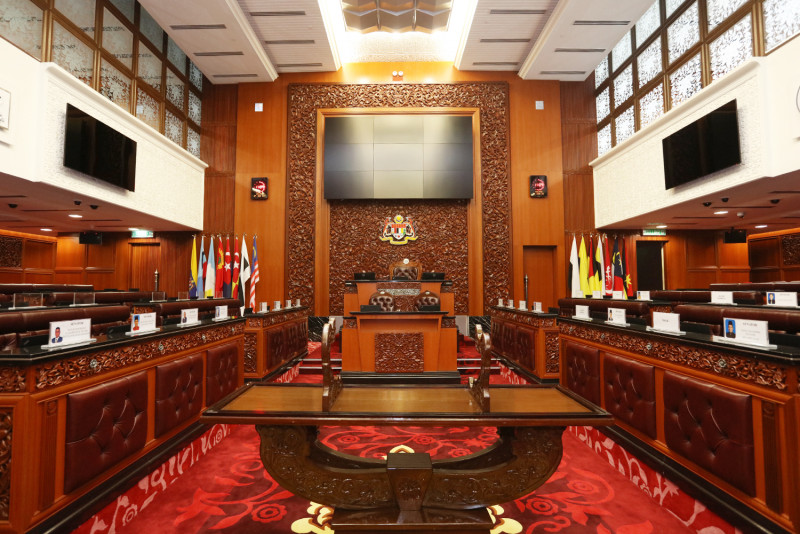
In a written reply to the Dewan Negara on Monday, the Economy Ministry said workers' compensation as a share of GDP improved marginally to 33.6 per cent in 2024, compared with 33.5 per cent in 2023.
The target, outlined under the 13th Malaysia Plan (RMK13), is part of the Government's broader effort to improve income distribution by shifting the economy towards higher-value, innovation-led growth.
The ministry said Malaysia would accelerate structural economic transformation through increased adoption of innovation, digitalisation, advanced technologies, productivity enhancement and knowledge-intensive activities.
"This structural transformation will create more skilled employment opportunities that offer higher wages," it said.
The Government will also rely on key national strategies, including the New Industrial Master Plan 2030 (NIMP), National Semiconductor Strategy (NSS) and National Energy Transition Roadmap (NETR), to attract quality investments that can generate high-skilled jobs and better income opportunities.
Developing future talent will remain a priority through stronger Technical and Vocational Education and Training (TVET), expanded upskilling and reskilling programmes, as well as improved job matching between workers and industry needs.
The Government will also focus on expanding high-growth, high-value (HGHV) industries and strategic sectors with significant economic impact to accelerate Malaysia's transition towards a value-based economy.
To further strengthen workers' income share, the Government plans to enhance the role of the National Wage Consultative Council (MPGN) in coordinating wage-related matters, including the determination of starting salaries for graduates and TVET graduates.
Minimum wage reviews will continue periodically in line with the National Wages Consultative Council Act 2011 (Act 732), while considering living wage considerations to ensure workers receive remuneration that reflects current living costs.
The Productivity-Linked Wage System (PLWS) will also be continued to help workers achieve higher earnings while promoting a more equitable income distribution.
The Government is also reviewing the implementation of the Progressive Wage Policy (DGP) as part of efforts to raise workers' compensation.
As of December 2027, a total of 4,025 employers involving 51,363 workers had participated in the DGP and benefited from the initiative. The policy will be expanded if it demonstrates a positive impact on workers' income growth.
The Government said it would continue monitoring workers' compensation levels annually and strengthen programmes under RMK13 to ensure Malaysia remains on track towards achieving the 40 per cent target by 2030. - August 3, 2026