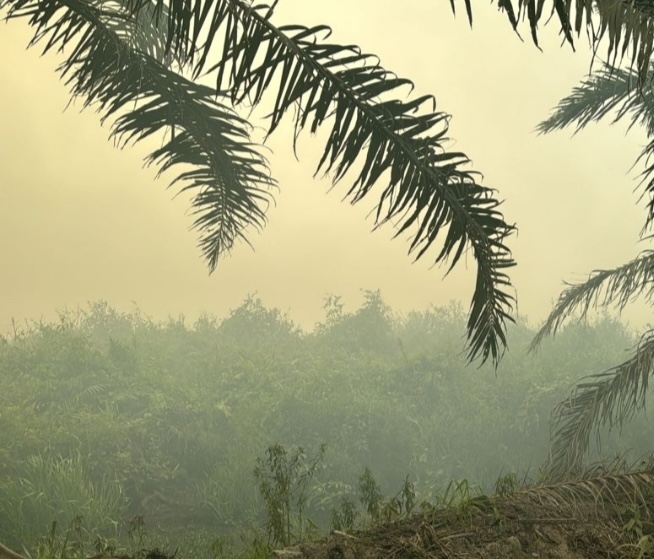
THE air quality in the country continued to deteriorate, with five areas in Sarawak recording unhealthy Air Pollutant Index (API) readings as of 8 am today.
Deputy Director-General (Development) of the Department of Environment (DOE), Azuri Azizah Saedon, said the highest reading was recorded in IPD Serian with an API of 171, followed by Kuching and Samarahan with 154 each.
“Sri Aman recorded an API of 139 while Bintulu recorded a reading of 124,” she said in a statement today.
She said three areas recorded a good air quality status, while 60 areas were at a moderate level.
“The increase in areas recording unhealthy API readings, especially in Sarawak, is believed to be due to the movement of haze from various directions.
“The situation is also linked to the increase in hotspot activity in the region, especially in Kalimantan.
“Based on the ASEAN Specialised Meteorological Centre (ASMC) report dated 7 August 2026, a total of 643 hotspots were detected in Kalimantan, 17 in Sumatra and 25 hotspots in the country.
“Of the 25 hotspots in the country, 22 were detected in Sarawak, while two were in Selangor and one in Terengganu,” she said.
According to Azuri, the ASMC regional haze map also showed continued dry weather conditions in most areas of the southern ASEAN region, with only isolated rain in the northern part of Sumatra and Peninsular Malaysia.
“The most worrying situation was reported in West Kalimantan when hotspots were detected widely, while isolated or scattered hotspots were also detected in several other areas in Kalimantan,” she said.
In addition, she said, moderate to thick smoke plumes were observed in West Kalimantan and moving northwards into the western part of Sarawak.
“Moderate to thick smoke plumes were also detected in several other areas in Kalimantan and central Sarawak, while light to moderate smoke was observed in the southern and central parts of Sumatra and eastern Java,” he said.
Following the situation, she said, the DOE increased enforcement actions and daily patrols in areas identified as having the potential for open burning, in addition to monitoring API readings periodically.
Meanwhile, she said, all activities outside the classroom must be stopped when the API reading exceeds 100.
“Schools, kindergartens and nurseries must be closed immediately if the API reading exceeds 200.
“Schools, kindergartens and nurseries are also instructed to constantly monitor the API readings and make preparations if the reading trend shows an increase towards the 200 level,” she said.
She added that the public is also reminded not to engage in open burning, as such actions can lead to severe punishments under the Environmental Quality (Amendment) Act 2024. – August 8, 2026







.JPG)