
KUALA LUMPUR – Politicking and the Covid-19 pandemic have thrown a wrench into several mega projects under China’s Belt and Road Initiative in Malaysia.
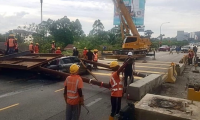
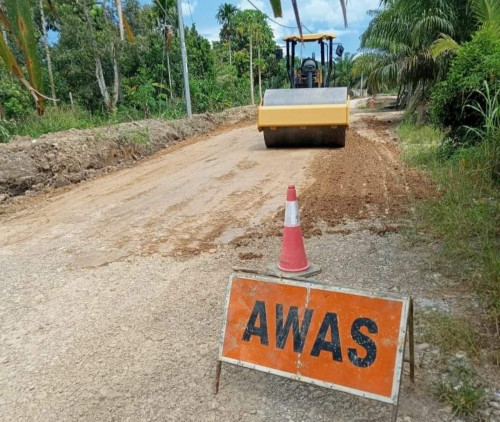
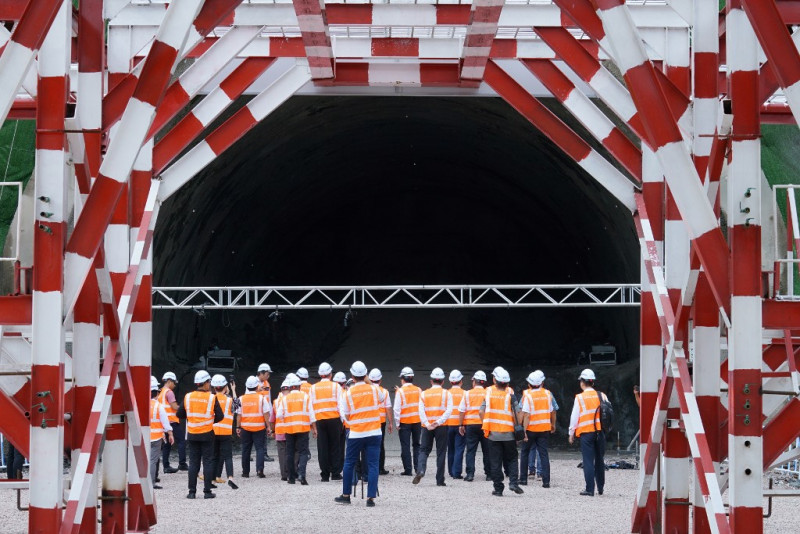
Infrastructure projects, such as the East Coast Rail Link (ECRL), were put on hold or renegotiated when Pakatan Harapan (PH) took federal power after winning the 2018 general election.
Another change in government in February during the height of the pandemic did not help matters either.
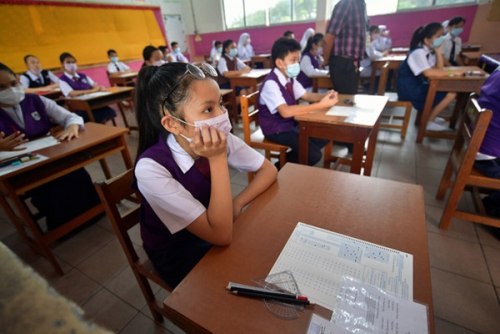
Under the movement control order (MCO) instituted from March 18 to May 3, Malaysia had to shut its economy and borders to curb the spread of the virus.
Lee Hishammuddin Allen and Gledhill partner Crystal Wong Wai Chin said most of the infrastructure projects were suspended due to MCO.
“During the conditional MCO, some of the Belt and Road projects resumed construction with permission from the authorities," she told The Vibes.
However, she said project suspensions were not due to political change.
The ECRL was first cancelled by the PH administration over fiscal concerns. But the project resumed in July 2019 at a reduced cost and route realignment.
When completed, travellers from Kuala Lumpur can reach Kota Baru, Kelantan in four hours.
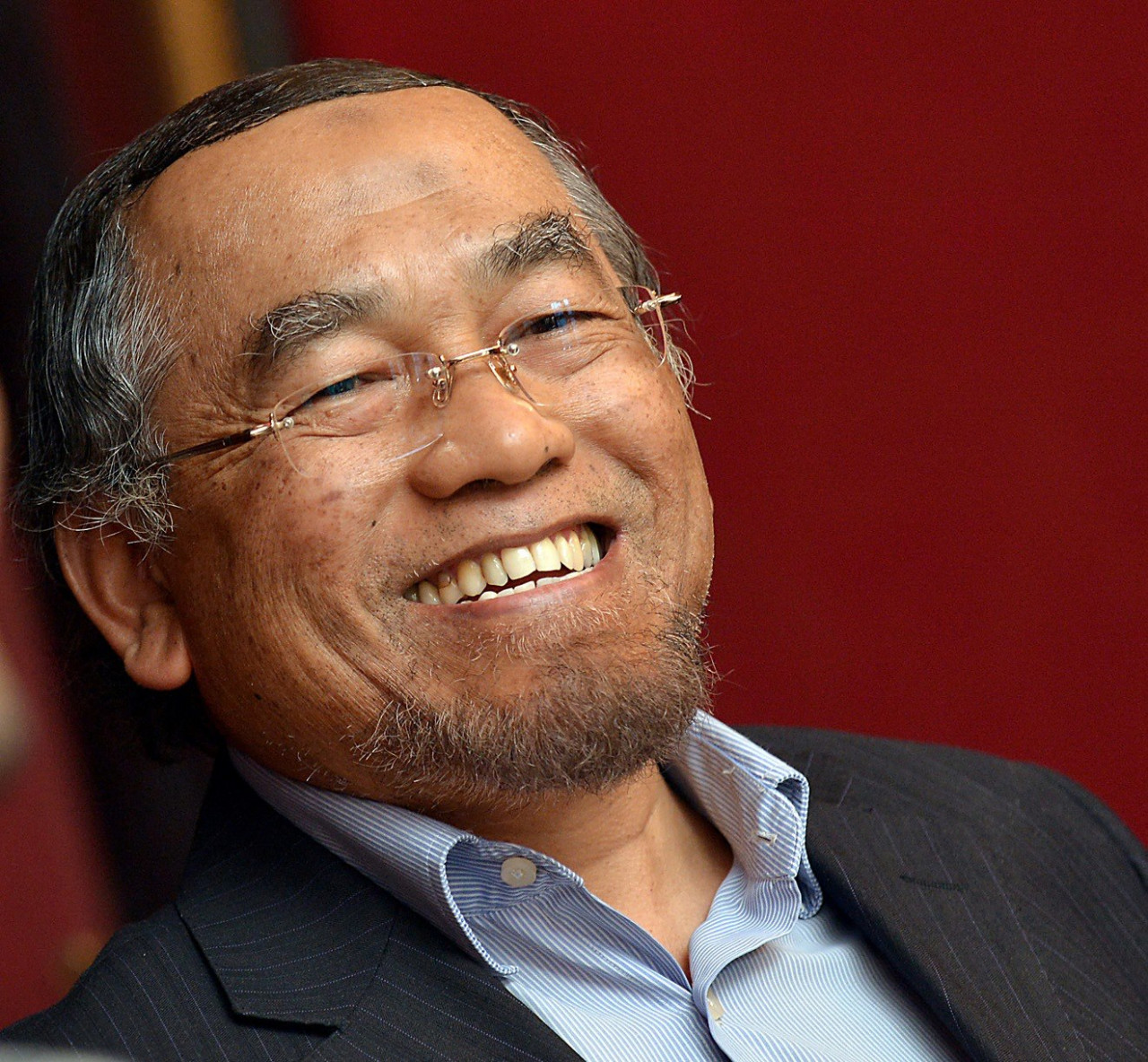
Meanwhile, UniRazak economist Prof Emeritus Barjoyai Bardai said the change in government means a change in policy, with the Perikatan Nasional’s Transport Ministry in August calling for the original alignment to be reinstated.
“There are less concerns about the Belt and Road Initiative projects when the government’s focus is on the welfare of the people, post-pandemic. The government may be reluctant to venture into projects considered too extravagant.”
However, he said the infrastructure projects should not wait for the economy to recover to resume work.
“The Belt and Road is a long-term project, even for China. I'm sure there are enough provisions in the event of a crisis. The infrastructure projects will ultimately be materialised in a decade," he said.
Other Belt and Road projects in Malaysia are Bandar Malaysia, Melaka Gateway, Kuantan port, Malaysia-China Kuantan Industrial Park and its sister park in Qinzhou, China, and the China-Asean Information Harbor.
Unexpected gains in the digital economy
Although infrastructure projects have taken a hit, digitalisation post-pandemic is flourishing after businesses and institutions are forced to go online to conduct classes, share information and procure sales.
Wong said technology companies are typically better equipped not just to weather the pandemic but to thrive.
“Heightened demand for cloud services and increased spending on digital tools are expected to remain. With greater demand for online retail and cashless payment methods, growth of digitalisation is likely to accelerate still," she said.
She added there is an influx of digital-related investments, mainly from China over the last five years.
“This introduction is necessary to complement Malaysia as the supply chain hub for Asia.”
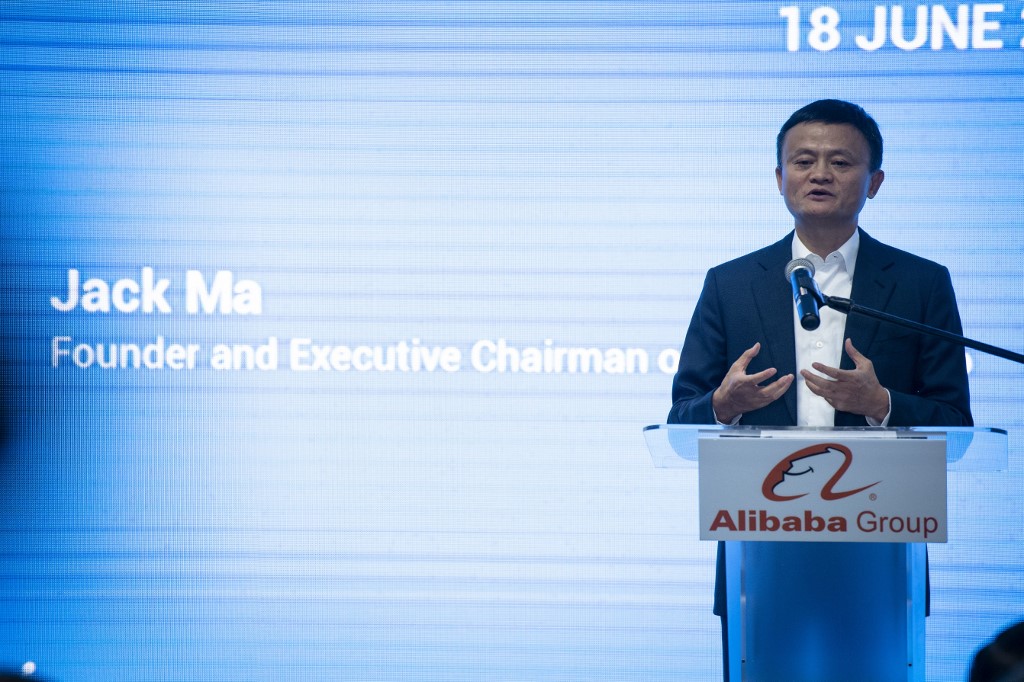
This is an unexpected gain for the Belt and Road Initiative, with companies such as Alibaba and Huawei pouring significant investments in developing Malaysia’s technology and digital economy.
Alibaba is interested in dealing with the digital free trade zone while Huawei is working with Malaysian telecommunication companies to develop the 5G infrastructure.
Wong said the government may need to amend the Communications and Multimedia Act 1998 and other legislation related to regulating the digital economy.
“I think certain governance should be in place, especially when the locals are not entirely familiar with the e-economy yet.”
Barjoyai said there is a need to progress in digitalisation as businesses and microbusinesses will adopt Industrial Revolution 4.0 concepts, such as artificial intelligence, robotics and big data analytics.
“There is more priority in digitalisation as financial efforts are more easily materialised. It must be tuned towards pushing the economy for rapid growth and development,” he said.
China President Xi Jinping mooted the Belt and Road Initiative in 2013 and it is expected to be completed in 2049.
It involves nearly 70 countries in Europe, Asia and Africa, as the initiative promises to bring massive economic growth and development using mass connectivity through all the participating countries. – The Vibes, September 22, 2020